

Container Chassis Axle Load Imbalance: How Container Position Changes Tire and Suspension Loads
A container can meet its gross weight limit while placing uneven loads on the chassis axle group. Learn how container position, cargo distribution and suspension conditions affect axle readings—and what fleets should verify before making a loading or equipment decision.

A container can pass a gross-weight check and still leave one part of the tractor–chassis combination carrying too much weight. The difference may appear after a box is placed farther forward or rearward on a chassis with more than one permitted position. The container is no heavier; the forces reaching the kingpin and trailer axles have changed.
That is the central question behind container chassis axle load imbalance: does the weighbridge reflect a different load position, a difference in the cargo’s internal distribution, or a problem with how the equipment is carrying the load? These causes call for different decisions, and a gross-weight figure alone cannot distinguish them.
Why equal gross weight can produce unequal axle loads
When the same tractor and chassis are weighed at similar gross combination mass, a heavier trailer axle-group reading on a later ticket does not necessarily mean that more cargo was loaded. A change in the container’s longitudinal load centre can account for a different split between the kingpin and trailer axles.
A semi-trailer supports its load through the kingpin connection and the trailer axle group. With the same geometry and comparable static conditions, moving the load centre rearward generally increases the axle-group reaction and reduces the kingpin reaction. Moving it forward generally does the reverse. This describes the overall transfer between supports, not the exact weight carried by every individual axle.
There is another complication: equal container mass does not mean equal cargo distribution. Heavy equipment packed near one end shifts the load centre even when the container remains in the same locking position. A verified gross mass confirms how much the container weighs, not where that weight acts along its length.
Record container position before comparing scale readings
A ticket marked only “loaded container” leaves out the information most likely to explain the change. For a chassis with multiple permitted positions, the record needs the actual engaged locking position, container orientation and vehicle identification. A photograph showing the box against fixed chassis reference points can help clarify a later comparison.
For context on different chassis layouts, the container chassis guide explains the wider range of arrangements. It is not a substitute for the relevant model documentation: a position that appears physically possible must not be assumed to be approved for loading.
Then compare like with like. Retain the container’s verified gross mass, the tractor and chassis identification, their coupled configuration and the recorded axle or axle-group weights. Note the weighing location, the conditions under which the readings were taken and any change in tires, suspension settings or vehicle attitude. If internal packing information is available, keep it with the ticket; otherwise, the longitudinal load centre remains uncertain.
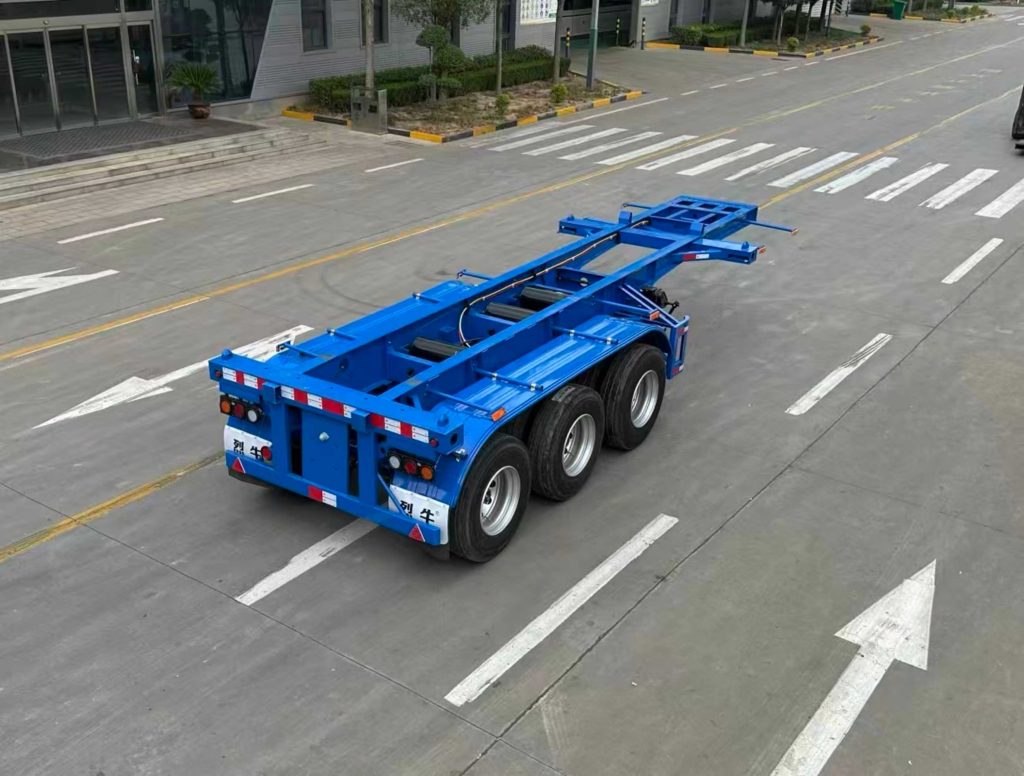
That context matters more than a single unexplained number. Different weighing methods or ground conditions can produce readings that are not directly comparable. A second ticket becomes useful evidence only when the conditions and the load position behind it are known.
Separate load placement from suspension faults
A trailer axle group may become heavier as a whole while its constituent axles continue to share the load as intended. The reverse can also happen: the group total may appear reasonable even though one axle is carrying a disproportionate share. Those are different problems, and not every weighbridge report separates them.
| Recorded pattern | Plausible explanation | Evidence still needed |
|---|---|---|
| More weight on the trailer group after a rearward position change | The load centre may be transferring more reaction to the trailer group. | Confirm both positions were permitted and compare tractor-side and trailer readings. |
| One axle reads high while the position remains unchanged | Axle-level sharing, tire or suspension condition, or the measurement setup may be involved. | Comparable individual-axle readings and a qualified equipment assessment. |
| Two tickets disagree but position or weighing conditions are unclear | The comparison is incomplete rather than proof of a particular fault. | A traceable record made under the applicable weighing procedure. |
These patterns guide investigation; none is a standalone fault diagnosis or release-to-service decision.
Chassis suspension load distribution also depends on conditions beneath the frame. Suspension geometry, ride height, tire condition and uneven ground can affect how individual axles carry weight. A group-only reading cannot resolve those differences. Nor should a change in the tractor’s drive-axle reading be treated as a direct measurement of kingpin reaction without considering the tractor configuration.
Tire wear or an unusual ride attitude may justify closer inspection, but it cannot independently establish that container position caused the problem. The stronger conclusion comes from a pattern that remains consistent across properly matched records.
Decide whether loading or chassis setup needs review
When readings change predictably between documented, permitted loading positions, the first review belongs with the load plan and the complete tractor–chassis geometry. Shifting a load forward may reduce the trailer-group reaction, but the additional reaction has to go somewhere: the kingpin and tractor must also remain within their applicable constraints. A lower rear reading is not automatically a safer combination.
If the position has not changed and reliable individual-axle readings remain unequal, treating the issue as a container-placement problem may delay the equipment inspection that is actually needed. The suspension, tires, chassis configuration and weighing conditions should be evaluated by suitably qualified personnel using equipment-specific information.
If the loading position cannot be verified as permitted, a measured load may exceed an applicable equipment or legal limit, or the equipment condition is uncertain, hold the movement under the site’s approved procedures and refer it for the required technical or operational assessment. Do not experiment with unverified locking positions or treat this article as authorization to return a vehicle to service.
Sometimes the most useful decision is to obtain better data rather than move the box or replace a component. A properly documented reweighing, conducted under the relevant procedure, may separate an apparent discrepancy from a repeatable load-distribution concern. Any final loading decision must use the actual equipment ratings and rules for the operating market.
Prepare a load distribution enquiry
Once the immediate operating question has been addressed, repeated axle-load differences may expose a wider chassis-configuration question. For a fleet handling mixed container sizes, the important issue is not simply how much a trailer is rated to carry. It is whether the permitted container positions, tractor coupling arrangement and axle configuration can be assessed against the loads encountered on the intended route. A configuration review is more useful when the fleet has a repeatable, documented loading pattern; one unexplained scale ticket is a reason to investigate the measurement, not automatically to select a different chassis.
A productive enquiry starts with the measured evidence: container mass and known cargo distribution, permitted and actual loading positions, tractor and chassis identification, suspension and axle configuration, and weighbridge records showing individual axles where available. Add the depot or road operating conditions and the destination market so the relevant legal limits can be checked. Missing details should remain identified as unknown rather than estimated.
A documented pattern of container chassis axle load imbalance gives BOCA a clearer starting point for discussing container chassis trailers and the evidence needed to assess a proposed configuration. It does not establish that any listed model meets the route requirements; that still needs confirmation against the actual vehicle and applicable rules.
Frequently Asked Questions
Can gross weight be acceptable while one axle is overloaded?
Yes. Total vehicle mass and individual axle or axle-group loads are separate constraints. A permissible total does not establish that every axle is within its equipment rating or the applicable market limit.
Does moving a container always reduce rear axle load?
No. The direction of the load-centre change, the permitted positions and the complete vehicle geometry all matter. A movement that reduces trailer-group load can increase the reaction transferred toward the tractor; it must be evaluated as a whole.
Which weighing records should a fleet keep?
Keep original scale tickets linked to the vehicle and container IDs, actual locking position, configuration, date and weighing conditions. Preserve before-and-after readings together, including individual-axle data when available, under the fleet’s applicable retention rules.

Review container chassis options for your depot route
Have a recurring, documented load-distribution concern or a new route to assess? Compare BOCA’s chassis range, then use the quotation or contact option on that page to share your container mass and permitted positions, tractor and chassis configuration, axle-weight records, and intended operating market. The photographed chassis is a layout reference, not a confirmed match for your loading conditions.
View Chassis Options & Request a Quote