

Shipping Container Flatbed Trailer: How to Verify Container Corner Seating Before Twist-Lock Engagement
How to check container corner seating, spot gaps or rocking, and confirm twist-lock alignment before securing a flatbed trailer load.

A container can look correctly positioned from several meters away while one lower corner is still carrying differently from the other three. The important judgment happens before the lock handles become part of the decision.
The container is nearly down. Lifting tension starts to disappear, three corners look settled, and one twist lock appears centered beneath its opening. At the opposite end, however, a narrow shadow remains under the lower corner casting. In a busy terminal or project yard, that small difference can be easy to dismiss.
That is where container corner seating before twist-lock engagement matters. The securing hardware should hold a container that has already landed correctly. It should not pull a high corner downward, draw an offset corner sideways, or hide an unstable support condition.
The issue is particularly relevant when container work forms part of a multipurpose flatbed semi trailer operation. One trip may involve a shipping container, while another carries machinery or general cargo. As the duty changes, the deck surface, lock positions, and corner support condition deserve a fresh look.
The useful distinction is simple
The container should settle first, align second, and lock last. When the lock itself has to change the container position, the landing condition needs another look.
Why Corner Seating Must Be Checked Before Locking
A twist lock works best when it performs one clear function: retaining a lower corner fitting that is already in the correct position. Problems begin when the lock becomes part of the positioning process. A handle that has to pull the container into place can hide an issue that existed before engagement.
A familiar yard situation illustrates the difference. Three corners land cleanly, while the fourth remains slightly high because of debris, a small offset, worn hardware, or an uneven contact point. The nearest lock may still rotate normally. That easy movement can create false confidence.
One easy lock can hide a poor landing
Mechanical engagement and stable support are separate questions. A lock head may enter its opening even while another corner is not carrying as expected. Likewise, a handle can reach a normal-looking position while the mechanism remains under unwanted side pressure.
For that reason, the four corners need to make sense as one system. Consistent support, no unexplained high point, no persistent rocking, and naturally positioned lock heads provide stronger evidence than one successful handle rotation.
Uneven support changes what the trailer is carrying
When one corner remains high, another support point may begin carrying load earlier. In other cases, a part of the container base touches the trailer deck away from the intended corner support. The box can appear stable while the load path is already different from the intended landing condition.
No practical yard check needs to estimate the exact force at each corner. The important point is whether the landing is mechanically understandable. If one corner behaves differently from the other three, that difference deserves an explanation before normal securing continues.
Prepare the Trailer Deck and Landing Area
Many preventable seating problems are easiest to identify while the trailer is still empty. Once a loaded container is hanging above the deck, even a small obstruction becomes harder to inspect without interrupting the lifting sequence.
A platform can look clean from normal standing height while material remains beside a lock pocket. Small stones, broken timber, compacted mud, pieces of metal, ice, damaged packing, or residue from previous cargo can all create an unintended high point.
The important areas are close to the corners
General deck cleanliness matters, although the most useful inspection concentrates on the places where the container is actually expected to land. A small object several meters away has little relevance. The same object beneath a lower corner can change the relationship between the casting and lock.
Temporary support materials also need context. If an additional support arrangement forms part of an approved loading method, its location should already be defined. Improvised packing should not be added simply because one corner appears high.
A difficult corner is not always a container problem
Repeated container handling also places attention on the trailer hardware itself. A lock can become contaminated, restricted, bent, or displaced at its mounting point. Local deck deformation may produce a similar effect.
The pattern becomes clearer over time. If several unrelated containers develop the same alignment problem at one trailer corner, repeatedly adjusting every incoming box is unlikely to solve the real issue. The recurring trailer position deserves closer inspection.
Visibility changes the quality of the decision
A side view and an end view often reveal different information. From the side, a narrow vertical separation may stand out. From the end, the same corner may show that the lock head sits noticeably toward one edge of the casting opening.
However, a better view should never require entry into a crush zone. Where direct visibility is poor, better lighting or another approved observation method is preferable to reaching beneath a container that may still settle. Site procedures and local safety requirements remain controlling.
Confirm All Four Corner Castings Are Fully Seated
The most revealing moment often comes just after the lifting system transfers the container weight onto the trailer. From several meters away, the box may appear straight and level. Closer to the corners, small differences become easier to see.
The lower corner casting is the reinforced fitting at each lower container corner. During this inspection, its relationship with the intended support and lock matters more than whether the container looks generally centered on the platform.
Read the shape of the landing first
A major longitudinal or lateral offset is normally obvious. Smaller differences are not. Long straight container rails can make the box appear level even when one corner remains slightly higher.
Comparing front left with front right, then rear left with rear right, creates a more useful picture. The diagonal comparison also matters. When one diagonal appears firmly supported and the opposite pair behaves differently, rocking becomes more plausible.
The lock head should already look comfortable
Before the handle moves, the lock head and casting opening should look naturally related. A head sitting hard against one side suggests lateral offset somewhere in the interface. The source may be the container position, the lock itself, or the local mounting geometry.
Likewise, the casting should not appear to hover above its intended support while another section of the container base touches first. Unintended contact elsewhere can create a false sense of stability while a lower corner remains unsupported.
Wait until lifting tension has really disappeared
A crane or reach stacker can temporarily carry enough weight to hide a high corner. Once the lifting equipment releases the container according to the approved procedure, the trailer suspension and tires may settle slightly.
That small movement is less important than what happens afterward. A stable container should stop moving. If one lower corner repeatedly changes contact or remains visibly high, the landing still needs attention.
A useful question before any handle becomes persuasive
If the lock handles were hidden from view, would the container still look correctly supported? If the answer remains uncertain, the securing hardware should not become the evidence that makes the landing acceptable.
Identify Rocking, Gaps and Uneven Support
Uneven seating rarely looks exactly the same from one load to another. One container may show a clear vertical gap. Another may appear normal until the lifting system releases completely and a slight diagonal movement becomes noticeable.
The strongest judgment comes from the pattern rather than a single symptom. A visible gap, an off-center lock head, repeated movement, or contact away from the intended corner supports all provide useful information.
One corner remains visibly high
Debris, incomplete landing, local deformation, or a positioning error may be keeping the casting away from its intended support. Locking should remain on hold until the interface makes sense.
Diagonal corners appear to alternate contact
The container may be rocking across uneven four-point support. Comparing the opposite diagonal often reveals more than concentrating on the first corner that moved.
A lock head sits hard against one side
The container may be laterally offset, or the lock mounting geometry may have shifted. Extra handle force should not become the method used to correct that difference.
The base contacts the deck away from the intended corner points
Debris, a deck high point, or structural interference may be supporting the container unexpectedly. That unintended contact needs explanation before the lock condition can be judged properly.
Rocking often reveals itself across a diagonal
When four support points do not share the landing evenly, the container can move between opposite corners. On a heavily loaded box, the movement may be subtle. Even so, the pattern can indicate uneven support rather than a simple lock problem.
There is no need to push the container or deliberately create movement. Natural settlement during the approved loading sequence normally provides enough information to identify a questionable condition.
Not every dark line is a real gap
Paint edges, corrosion staining, old sealant, dirt, and low-angle shadows can create the appearance of separation. A second safe viewing angle often clarifies whether the dark line is genuine clearance or merely surface contrast.
However, uncertainty still deserves a pause. A hard-to-see corner calls for better visibility, not harder engagement. Where necessary, controlled relifting under the applicable procedure may provide a clearer answer than guessing.
Repeated behavior separates a random landing from a recurring fault
If several different containers show the same symptom at one trailer position, attention naturally shifts toward the trailer. The local lock assembly, mounting structure, and surrounding deck area become stronger inspection candidates.
If one container produces the same lower-corner problem on more than one suitable trailer, the opposite conclusion becomes more likely. This pattern-based approach replaces repeated trial-and-error positioning with evidence.
Align Twist Locks Without Forcing Engagement
Once the four corners appear settled, lock behavior becomes useful evidence. At this stage, engagement should confirm the existing geometry. It should not create a new one.
A lock head centered naturally beneath its opening should behave differently from one already pressed against the edge of the casting. That visual difference matters before unusual handle force enters the process.
The open position deserves a quick look
A partially rotated lock head can catch the lower corner fitting during landing. The resulting resistance may look like a container alignment problem even when the issue began with the lock position.
The mounting base also matters. If the base itself moves, appears distorted, or shows visible structural damage as the mechanism operates, engagement should stop. A rotating head cannot compensate for a compromised mounting area.
Unusual resistance is useful information
There is no meaningful universal handle-force number for every twist-lock design. Hardware condition, manufacturer guidance, maintenance state, and site procedures all influence normal operation.
Even so, one lock that suddenly needs much more effort than the others should not be dismissed. Side loading, contamination, deformation, incomplete seating, or internal mechanism damage can all increase resistance.
Longer bars, striking tools, or improvised leverage can turn a useful warning into damaged hardware. More importantly, extra force can make the lock pull the container toward a position it did not reach naturally.
Repositioning changes more than the difficult corner
A small correction at the front can change support at the rear. Likewise, a lateral adjustment at one corner can alter the opposite diagonal. Repositioning should therefore reset the visual check rather than solve only the original problem area.
This becomes especially important in a high-throughput yard. Once the difficult corner finally looks correct, there is a natural temptation to continue immediately. A quick look at the other three corners helps confirm that the correction did not create a new problem elsewhere.
Where regular container transport forms part of a new trailer requirement, the wider BOCA flatbed trailer range provides a useful starting point for discussing the deck and securing arrangement. The actual container dimensions, cargo condition, site environment, and intended lock positions still need to define the project.
Flatbed Options for Container Operations
Compare the Trailer Around the Real Container Work
Container dimensions, expected cargo weight, loading surface, securing positions, route conditions, and destination requirements should shape the final configuration. These BOCA flatbed options provide different starting points for that technical discussion.
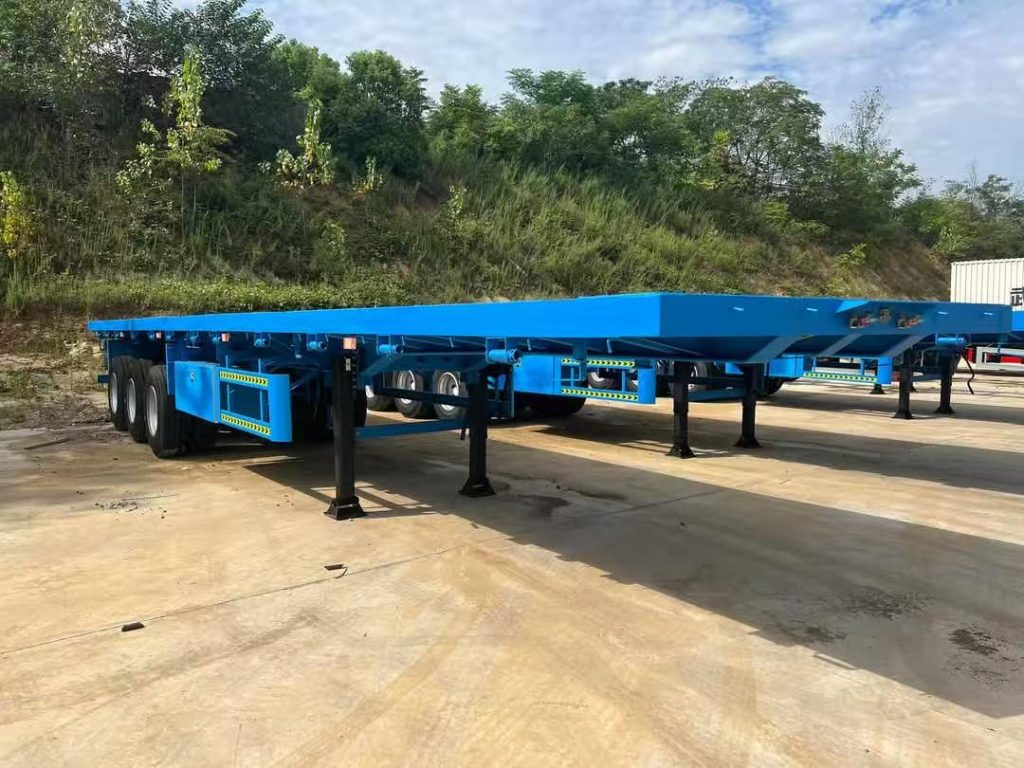
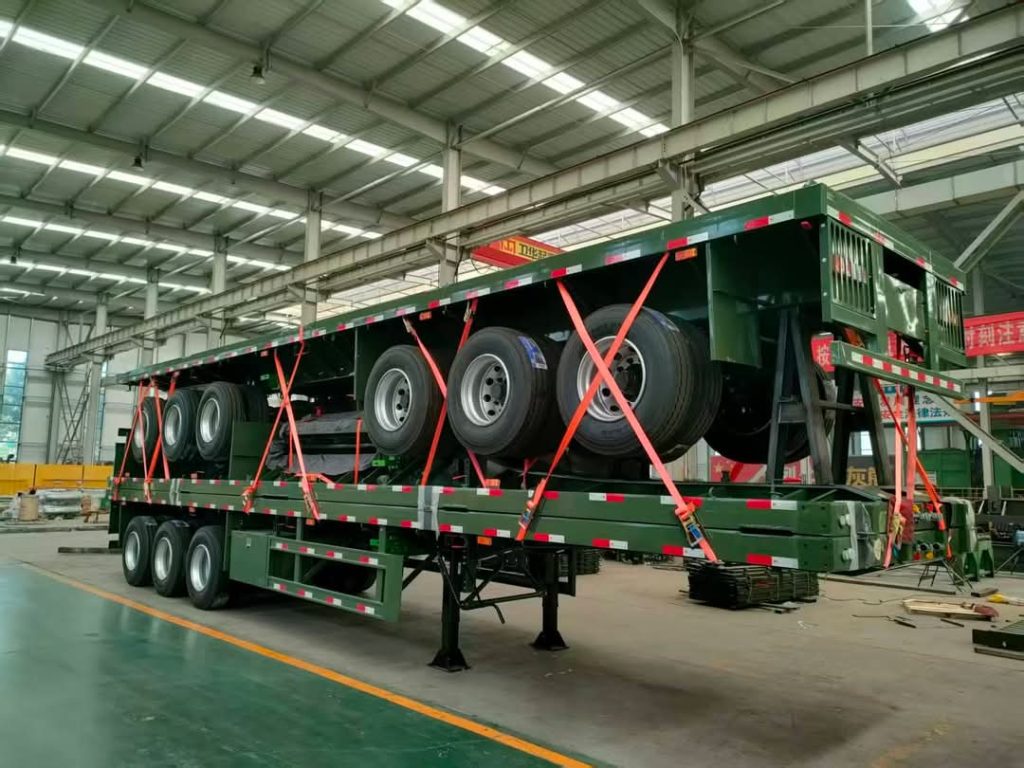
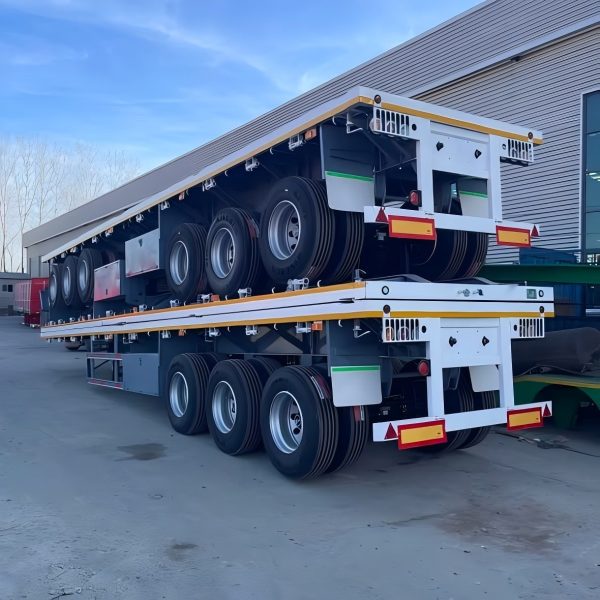
Final deck structure and securing positions should be confirmed against the actual container dimensions, operating conditions, cargo requirement, and destination rules rather than inferred from a general product image.
Recheck After the First Controlled Movement
A container that appeared stable at the loading position should remain stable after the first controlled movement. That early movement allows the tires, suspension, trailer structure, container, and lock interfaces to settle under normal low-speed motion.
Where the site procedure includes an early recheck, the stopping point should already be planned. The purpose is not to road-test the load. It is simply to confirm that the relationship between container and trailer remained unchanged.
General trailer settlement is not the same as container movement
Suspension movement after loading is not automatically a problem. What matters is whether the container shifted relative to the platform. A new corner gap, changed lock angle, fresh offset, or renewed rocking deserves attention.
The diagonal comparison remains useful here. If one corner looks different after movement, the opposite diagonal corner can help show whether the change is local or part of a wider support condition.
The lock that felt different deserves priority
A lock that showed unusual resistance during engagement carries useful history into the first recheck. Even if the handle ultimately reached its expected position, the earlier resistance may point toward slight offset, contamination, wear, or deformation.
Fresh contact marks, chipped coating, a changed handle position, or new metal-to-metal witness marks can help explain what occurred. Repeated abnormal behavior should be recorded rather than gradually accepted as normal.
Movement should validate the landing, not finish it
A container should not need a bump, sharp braking event, or aggressive steering input to settle into place. If normal trailer movement is needed to make a high corner drop, the original seating condition was incomplete.
The safer response is controlled handling and inspection. A container that suddenly settles during movement can transfer a dynamic load into the securing points that could have been avoided at the loading stage.
When to Stop and Inspect the Trailer or Container
A stop decision does not require a complete engineering diagnosis. It only requires enough uncertainty to show that stable seating, natural alignment, or normal lock operation cannot be confirmed.
Clear stop conditions also make time-sensitive loading easier to manage. A persistent gap, repeated diagonal movement, visible deformation, abnormal lock resistance, or container movement during engagement provides a specific reason for closer inspection.
Visible deformation changes the decision immediately
A bent or visibly damaged lower corner fitting should not be hammered, pried, or pulled toward a lock simply to complete the loading cycle. Structural damage moves the issue beyond ordinary positioning.
The same principle applies to the trailer. A bent lock assembly, shifted mounting point, cracked weld area, or visibly deformed local structure should be assessed by competent maintenance or technical personnel.
Container movement during engagement is a strong warning
A properly aligned lock should retain the container without visibly changing its position. If handle rotation draws one corner sideways or pulls it downward, the mechanism is doing more than securing the box.
Repeating that engagement with greater force does not answer the underlying question. Returning to the seating condition is more useful because the misalignment existed before the lock began to move.
Sometimes the inspection environment is the problem
Poor lighting, active traffic, blocked access, unsuitable ground, or uncontrolled lifting movement can make a simple corner check unreliable. Improving the inspection environment is then part of the corrective action.
Applicable occupational safety rules, terminal procedures, equipment guidance, cargo-owner requirements, and destination-country regulations remain controlling. Where structural integrity is uncertain, qualified inspection should replace assumptions.
When the same corner problem returns, context matters
A short record makes recurring alignment problems easier to diagnose. Useful context connects the symptom with the actual trailer, container, loading location, and stage of the operation.
- Trailer identification and affected lock position
- Container identification and affected lower corner
- Container dimensions and cargo weight when available
- Loading location and visible ground condition
- Whether the symptom appeared before or after lifting tension disappeared
- Whether controlled repositioning changed the condition
- Overview and close photographs captured from safe positions
FAQ
The lock should confirm the landing, not create it
A reliable loading decision begins by reading the four lower corners before the lock handles become persuasive. Stable support, natural alignment, and consistent behavior matter more than whether one mechanism can be forced through its full movement.
The same logic continues after the trailer moves. A container that remains stable after the first controlled movement supports the original assessment. New movement, gaps, or changes in lock position call for another look.
- Treat a high or moving corner as a seating issue before treating it as a lock issue.
- Use recurring symptoms to separate trailer-related faults from container-related faults.
- Document the container, cargo, site, and lock arrangement when technical review is required.
Flatbed Configuration Review
Match the Trailer and Lock Arrangement to the Real Container Operation
Useful project information includes container dimensions, expected cargo weight, operating yard or loading surface, existing or required lock positions, destination country, and relevant interface photographs.
Those details allow the trailer structure and securing arrangement to be discussed against the actual operating scenario rather than a generic flatbed description. They also make it easier to identify where lock positions, platform arrangement, and the intended container duty need further confirmation.
Most importantly, container corner seating before twist-lock engagement should remain a separate field judgment whenever the trailer, container, securing setup, or loading condition changes.
Submit Container and Site Details