

Fence Cargo Semi Trailer: How to Prevent Load Shift with Bagged Agricultural Goods

A practical loading and restraint approach for bagged grain, seed, feed, fertilizer and similar agricultural freight where vibration, settling and route forces can change a stack after departure.
A stack can leave the loading yard with straight rows and firm restraint, then look very different after the first rough section of road. Lower bags flatten, palletized units settle, small gaps become larger, and restraint contact changes.
That sequence explains why load shift in fence cargo trailers carrying bagged goods should be treated as a complete load-control problem. Package condition, stack geometry, void control, deck contact, restraint and route inspection all influence the final result.
Check bag condition, pallet condition, deck cleanliness and the planned cargo footprint.
Control gaps, confirm stack alignment and verify that restraint does not depend on fence contact.
Inspect for early settlement, new voids, leaning rows and changed restraint contact.
Why Bagged Goods Settle and Move During Transport
Bagged agricultural goods do not behave like rigid crates. Grain, beans, seed, animal feed and similar materials can move inside flexible packaging as vibration continues. Therefore, the shape seen during loading may not be the shape that remains after several kilometres.
Lower rows usually change first because they carry the compression from every layer above them. A rounded bag may flatten, while a softer package can spread sideways. As a result, the stack can become shorter even though no individual bag has failed.
Movement often develops in stages
A serious shift does not always begin with one emergency stop. Instead, vibration may settle the base first. A later corner moves an outer row slightly, then braking pushes several bags toward an existing gap.
Consequently, several modest movements can create a visible lean by the first planned inspection. Routes with repeated roundabouts, village roads, warehouse ramps or rough agricultural access tracks can make this progression more noticeable.
Higher stacks magnify small changes below
A small change at deck level can become much more visible near the top of a tall load. For example, one compressed lower row can allow several layers above it to lean toward the same side.
Outer rows deserve particular attention because they receive less support from neighbouring bags. Likewise, front and rear faces often reveal early movement when free space remains nearby.
If the load already leans, spreads at the base or presses heavily against one fence section before departure, loading should pause. The base, bag condition and void pattern need review before additional restraint is applied.
Check Bag Condition, Friction and Moisture Exposure
Stable loading begins with the package and the surface beneath it. A torn seam, loose closure or leaking bag can affect several neighbouring rows, especially when that package sits near the bottom of the stack.
Meanwhile, loose grain, dust, mud, standing water or previous cargo residue can change deck friction. Therefore, the loading surface should be checked before the first row or pallet enters the trailer.
Bag surfaces do not all behave the same way
A dry woven sack may behave differently from a wet, dusty, coated or laminated package. Surface appearance alone does not confirm how much grip exists between neighboring bags or between the cargo and deck.
Moisture can also change packaging strength. Paper sacks may soften, while some coated surfaces can become easier to slide. Consequently, weather exposure should be considered when the loading area or route leaves cargo exposed.
Pallet condition matters when bags are unitized
Palletized bags introduce another interface into the load. Broken boards, damaged runners or excessive bag overhang can make one unit behave differently from the row beside it.
In addition, bags may slide on the pallet even when the pallet itself stays in place. Therefore, palletized freight should not be treated as automatically more stable than floor-loaded bags.
Check seams, closures, leakage, severe deformation and inconsistent filling.
Remove loose product, mud, water and other material that may change friction.
Look for structural damage, bag overhang and irregular unit geometry.
Build a Stable Base and Consistent Stacking Pattern
The first layer controls the geometry of every layer above it. Therefore, the loading sequence should create a deliberate footprint from the beginning instead of trying to correct an irregular stack near the top.
A base with random gaps can create unsupported pockets. Once additional weight is added, neighbouring bags may bridge across those spaces. Later, vibration can collapse the bridge and create local settlement.
Use a pattern that remains repeatable
Straight column stacking can work when bag dimensions and fill remain consistent. However, continuous joints between rows may create easy separation lines through the load.
Where the bag shape allows it, a controlled interlocking pattern can reduce those uninterrupted joints. Even then, random orientation changes should be avoided because they create uneven corners and unpredictable contact points.
Control overhang at the outer edges
Bag overhang can look minor during loading. Nevertheless, unsupported edges may deform once several layers are added. The upper stack can then follow that deformation and begin leaning outward.
For palletized cargo, pallet footprint and bag footprint should work together. Large overhang reduces support, while oversized pallets can create unnecessary gaps between neighboring units.
- The base follows the intended loading footprint.
- No bag bridges across a large unsupported gap.
- Outer rows remain aligned rather than gradually leaning.
- Palletized units remain square and structurally sound.
- Any required unloading clearance has a defined movement-control plan.
Control Voids Without Relying on Side Fences Alone
A void gives the load somewhere to travel before restraint fully controls that movement. Therefore, even a moderate front, rear or side gap can become important after repeated braking and turning.
Internal voids matter as well. Irregular bag rows can leave narrow channels inside the stack. Once the lower layers settle, those channels may become wider and remove support from the packages above.
Planned clearance is different from leftover space
Some clearance may be necessary for forklifts, rear access or a specific unloading sequence. That space should be identified in the loading plan before work starts.
By contrast, a large gap that remains simply because the cargo does not fill the deck is uncontrolled space. Stretching the final rows to make the load look full can create weak sections rather than solving the problem.
Fence structures should contain the cargo, not catch a moving stack
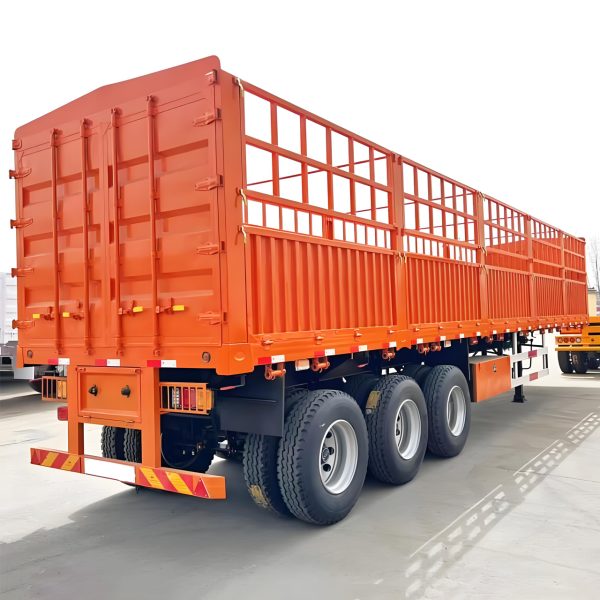
The fence defines the outer cargo area and provides useful containment. However, a stack that travels across open space before contacting the fence has already shifted from its planned position.
At that point, force can become concentrated against a relatively small section of the structure. Therefore, stable stacking, suitable blocking where appropriate and approved cargo restraint should control movement before substantial fence contact occurs.
If the loading plan depends mainly on the fence absorbing repeated cargo movement, the arrangement needs further review. Applicable local cargo-securement rules and competent technical guidance should control the final decision.
Select Restraint Points for the Actual Cargo and Route
Restraint selection should begin with the actual load rather than whichever equipment remains available after loading. Flexible bags can compress under narrow contact, while palletized units add another friction interface between the pallet and trailer deck.
The route changes the demand as well. Urban transport can involve frequent braking. Winding roads create more lateral movement, while rough agricultural access roads may produce continuous settlement before the main highway begins.
Keep attachment points accessible
Restraint locations should be considered while the load is still being built. Otherwise, the final rows may block access or force equipment into an unsuitable angle.
Likewise, unverified fence members should not automatically become tie points. Concentrated restraint forces can differ from normal cargo-containment loads. Documented attachment locations and applicable operating procedures should therefore take priority.
Watch how restraint contacts soft bags
A narrow strap can sink deeply into an upper row without controlling the lower part of the stack effectively. In that situation, more tension may increase local package deformation rather than improve overall stability.
Where approved procedures require edge protection or load-spreading equipment, the selected equipment should suit both the package and the restraint method.
| Observed condition | Possible concern | Next check |
|---|---|---|
| Outer row leans before departure | Weak base or inconsistent stack geometry | Rebuild the affected section before adding restraint |
| Large front or rear gap | Longitudinal movement path | Review load position, blocking and restraint |
| Strap sinks deeply into top bags | Poor force distribution | Review approved load-spreading arrangements |
| One pallet differs from neighbouring units | Local pallet, bag or friction problem | Inspect the individual unit before treating the row as uniform |
For agricultural and general freight projects, the cargo semi trailer range provides several trailer directions. However, trailer choice and cargo restraint remain separate decisions.
Where restraint capability, anchor suitability or the required securement method cannot be confirmed, assumptions should not fill the gap. Destination-country requirements, fleet procedures, equipment instructions and competent technical advice should control the final arrangement.
Inspect After Initial Settling and at Planned Stops
The first part of the route often exposes weaknesses that were invisible while the trailer was stationary. As bags settle, stack height can reduce, new gaps can appear and restraint contact can change.
Therefore, the first planned inspection should compare the cargo with its departure condition rather than simply confirming that restraint equipment is still present.
Look for changes in shape
A widening rear gap, a lower row that has spread outward or a top layer that now leans can all indicate movement. Likewise, one pallet may have changed position even though nearby bag faces still look straight.
Departure photographs taken from consistent angles can make those changes easier to identify. However, photographs should support rather than replace a physical inspection of accessible restraints and blocking.
Do not judge the load only by strap tension
A restraint may still feel tight while following a different path across the cargo. For example, the upper bags may have compressed beneath it while a lower section has begun moving.
Consequently, tightening should not become an automatic response. The reason for changed contact should be identified first, then any correction should follow the approved procedure.
- the stack develops significant lean or continuing movement;
- restraints repeatedly lose effective cargo contact;
- blocking or dunnage no longer remains in position;
- bags rupture or leak enough to affect stack support;
- safe correction cannot be completed under the approved operating procedure.
Severe braking, a rough detour or another unusual route event may also justify an additional inspection when a safe stopping location is available. Current local cargo-securement rules and fleet procedures remain controlling requirements.
Unloading Observations That Improve the Next Load Plan
Unloading reveals parts of the stack that are difficult to inspect during transport. As upper rows are removed, lower layers, pallet edges, internal gaps and displaced dunnage become visible.
Therefore, the final load condition should be treated as operating evidence. It can help identify whether movement began at the deck, within a palletized unit or along an outer face.
Observe the stack before restraint is released
Where site procedures allow safe inspection, the overall cargo shape should be recorded before restraints are removed. A leaning face, repeated abrasion marks or visible pressure against one area can show how movement developed.
If the load appears unstable, restraint removal should not proceed as a normal unloading task. Site safety procedures and competent personnel should control the next step.
Inspect the base as it becomes visible
Compression marks in the lowest rows can indicate that the base spread during transport. Broken pallet components may point to a unit-load problem, while displaced blocking can show where an internal gap developed.
Conversely, a clean and aligned base with movement only in upper layers suggests a different cause. Stack interlock, outer-face support or restraint distribution may deserve more attention on the next load.
Turn repeated observations into loading rules
One unusual trip may reflect a damaged bag or a single route event. However, the same movement pattern across repeated journeys usually justifies a planned change.
For example, recurring rear gaps may support a different loading position or void-control method. Repeated top-row lean may indicate that layer pattern or restraint contact should change instead of simply adding more tension.
What Information Helps Match the Trailer to the Load?
Descriptions such as “bagged grain” or “farm cargo” do not provide enough information for a useful trailer discussion. The operating brief should show how the cargo is packed, stacked, restrained and unloaded.
Clear data also prevents assumptions about package behavior. In addition, it makes route and loading requirements easier to compare with available bulk cargo semi trailer options.
- Bag weight and dimensions
- Packaging material and closure
- Fill consistency and moisture sensitivity
- Typical quantity per dispatch
- Floor-loaded or palletized
- Planned stack height
- Forklift, conveyor or manual handling
- Side or rear unloading access
- Highway, urban or rough-road duty
- Regular turns, grades and braking
- Available restraint equipment
- Destination and local requirements
Clear photographs of the bags, pallet arrangement, finished stack and available restraint equipment can add useful context. These records are particularly helpful when the same agricultural cargo is transported repeatedly.
Related BOCA VEHICLE Resources
These BOCA VEHICLE pages provide relevant next steps for trailer selection, product details and specification support.
FAQ
Why do bagged agricultural goods shift after departure?
Road vibration allows granular contents to settle inside flexible packaging. Consequently, lower rows can flatten, stack height can reduce and gaps can appear after departure.
Braking and cornering can then move the load toward those spaces. Package condition, friction, stacking pattern and restraint should therefore be reviewed together.
Can fence sides replace cargo restraints?
Not by default. Fence structures provide cargo containment, but unverified fence members should not be treated as the primary method for stopping a shifting stack.
If a fence or other vehicle structure is intended to contribute to cargo securement, its suitability should be documented for that use. Stable stacking, controlled voids and approved restraint methods should manage the cargo before substantial fence contact occurs, subject to current local cargo-securement requirements.
How do voids affect a bagged-load stack?
Voids create room for bags or palletized units to move before restraint fully controls the motion. Once part of the stack enters that space, neighbouring packages can lose support.
Therefore, both visible gaps and internal channels should be considered during loading. Planned forklift or unloading clearance also needs a defined movement-control strategy.
What should be checked if restraints loosen after the first route section?
First, inspect the cargo for compression, new gaps, leaning rows and shifted pallets. Next, confirm that restraint still follows its intended path and that blocking remains in position.
Additional tension should not be applied automatically. If significant movement has occurred or safe correction is uncertain, transport should pause for competent assessment.
Use Each Trip to Improve the Next Load
Reliable bagged agricultural transport depends on repeatable loading decisions rather than last-minute corrections. A clean deck, stable first layer, controlled gaps and suitable restraint reduce the chance that normal settlement develops into larger movement.
At the same time, early-route inspections and unloading observations create useful feedback. The strongest improvements usually come from identifying where movement started rather than simply adding more restraint equipment.
- Record bag material, unit weight, pallet condition, stack height and loading method before loading begins.
- Inspect the completed lower rows for gaps, overhang and lean before upper layers hide those conditions.
- Compare departure condition, first-stop condition and unloading condition to refine the following load plan.
For projects involving load shift in fence cargo trailers carrying bagged goods, useful information includes bag weight and material, pallet arrangement, stacking height, route conditions, loading method, unloading method and available restraint equipment.
Photos of the loaded stack and restraint arrangement can also support a more focused trailer and cargo-control discussion.
Send Cargo and Route Details