
Complete Guide For Oil Tank Semi Trailer

Overview
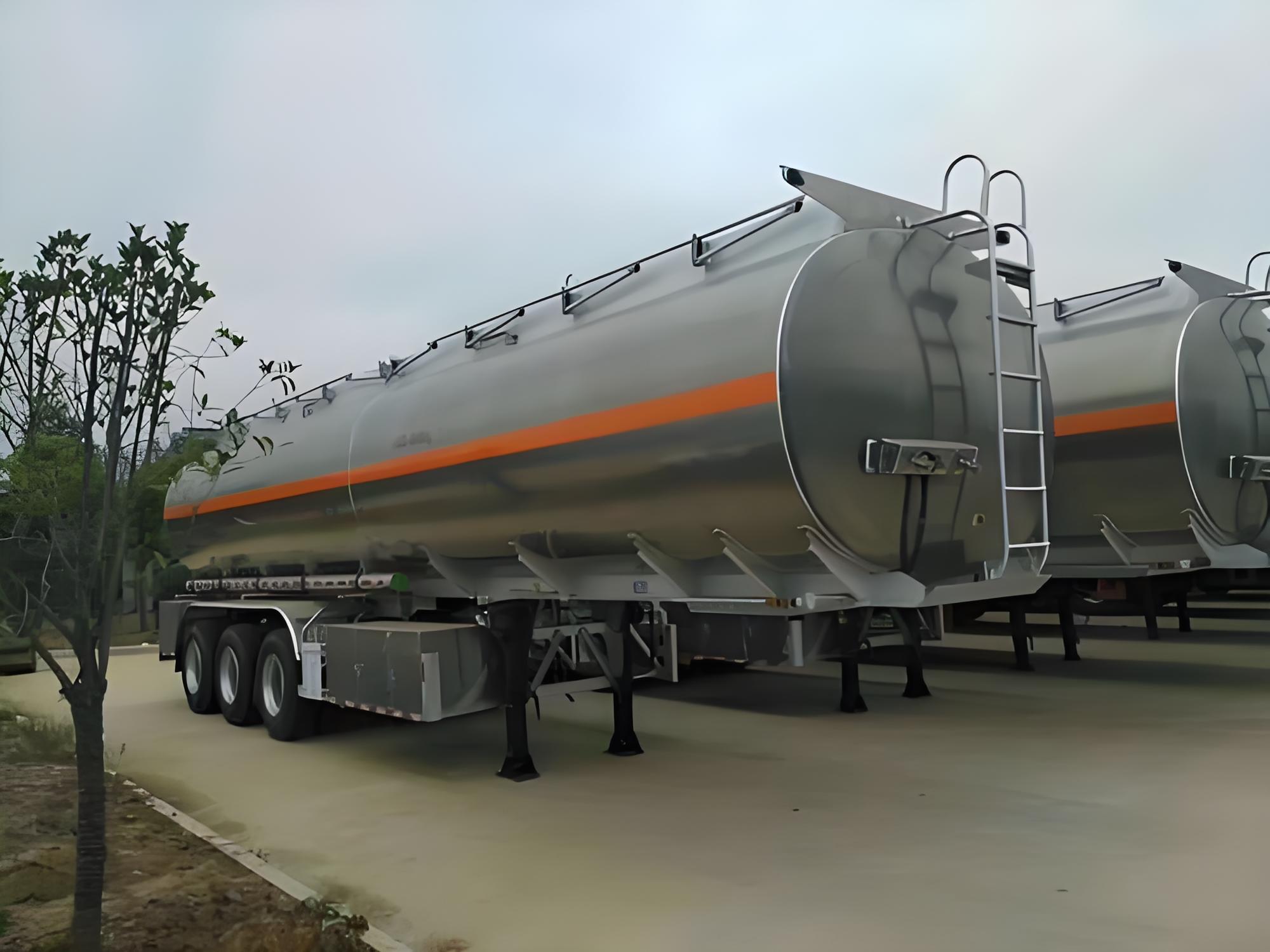
Oil tank semi trailer are vehicles specifically designed for the safe transport of diesel, gasoline, lubricating oil, and other petroleum liquids. As the global oil supply chain becomes increasingly demanding, modern oil tank semi trailer require higher efficiency, stronger corrosion resistance, and more comprehensive safety systems to meet the needs of both short-haul delivery and long-haul fuel transportation.
This detailed guide outlines the manufacturing process of oil tank semi trailer, their technical standards, material selection, safety requirements, and how buyers can choose the most reliable model best suited for commercial use.
What is a oil tank semi trailer?
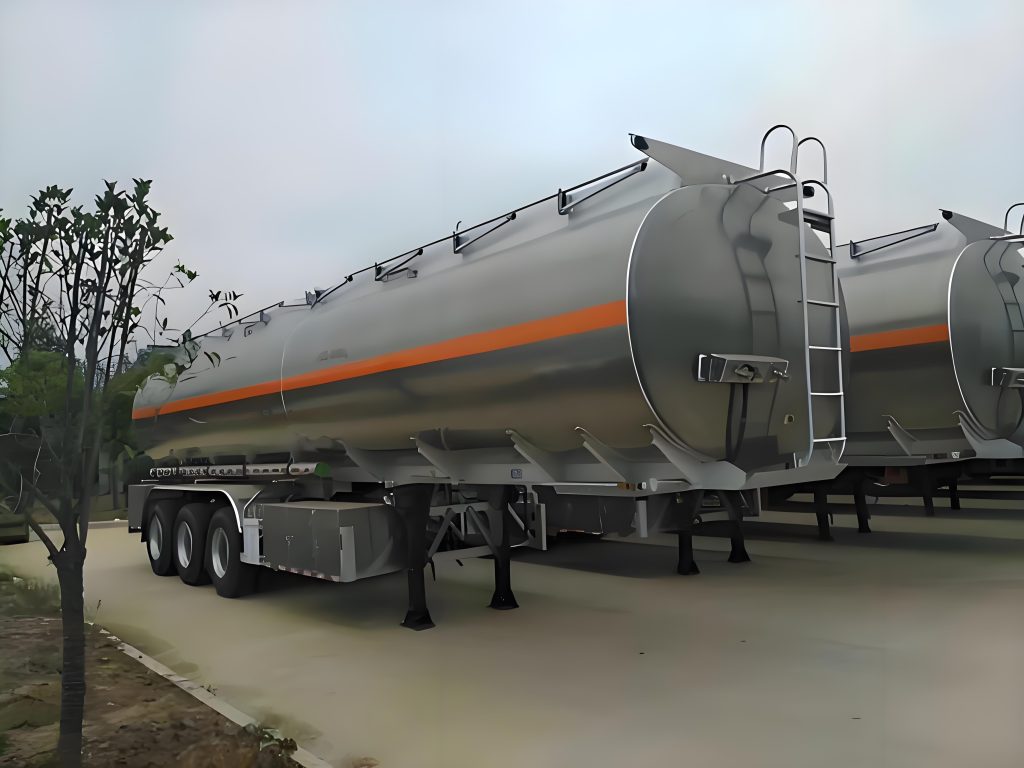
A oil tanker semi trailer is a trailer used for road transport, equipped with sealed cylindrical or elliptical tanks for transporting various petroleum products. These stainless steel tank semi trailer are typically made of carbon steel, aluminum alloy, or stainless steel, depending on the type of cargo being transported and applicable regulations.
Key functions include: safe storage of flammable liquids; prevention of leakage and evaporation; efficient loading and unloading; pressure stability during transportation; compliance with fire safety and ADR/DOT standards.
Oil tanker trailer for sale are used by fuel suppliers, logistics companies, oil depots, gas stations, mining operations, and military supply chains.
What can oil tanker trailer carry?
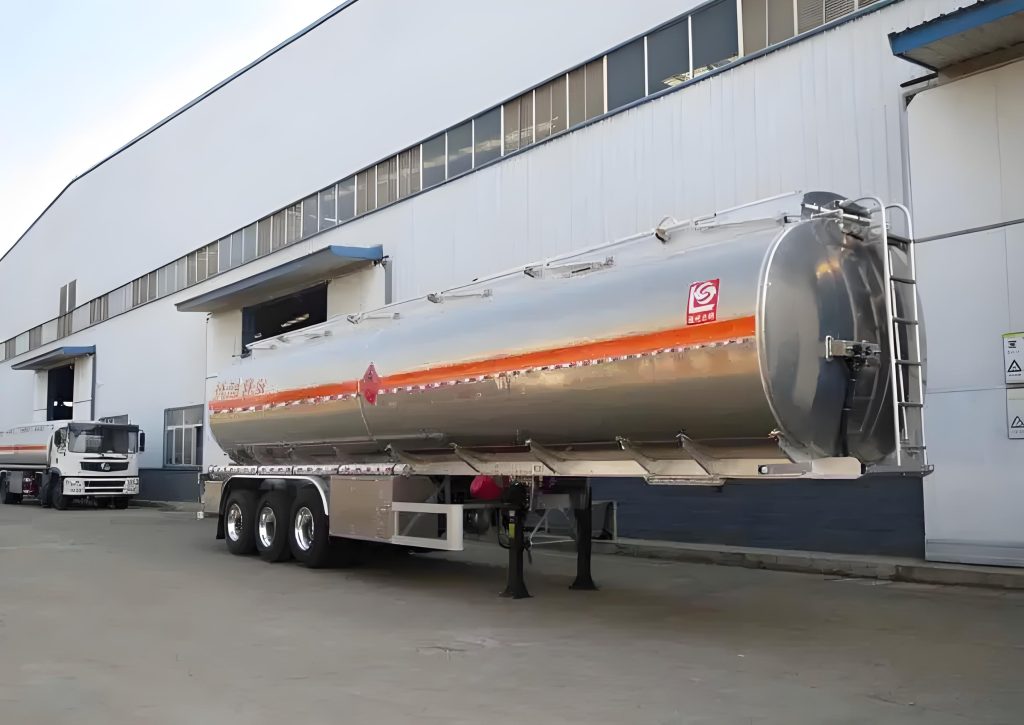
Tank semi-trailers are designed for the safe and efficient transport of various liquid cargoes. Depending on the tank’s material, internal structure, and safety features, they can handle a wide range of liquids across different industries.
Common Cargo Types
Fuel Products
Diesel and Gasoline
Widely used for transporting fuel from storage depots to gas stations
Requires anti-static design and safety valve functionality
Crude Oil
Transported from extraction sites to refineries
Requires robust tank structures and high load-bearing capacity
Aviation Fuel
High-purity fuel, adhering to strict safety and contamination standards
Typically stored in specially designed, clean tanks equipped with advanced sealing systems
Chemical Liquids
Including industrial chemicals, acids, or hazardous liquids
Requires corrosion-resistant materials such as stainless steel or aluminum
May also contain insulation or special coatings for safety
Edible Oils (Food-Grade Transport)
Edible oils such as palm oil and soybean oil
Requires food-grade stainless steel containers
Must meet strict hygiene and contamination prevention standards
Importance of Container Material and Design
Different liquids require different tank structures:
Carbon steel tank: Suitable for fuels and crude oil
Stainless steel tank: Suitable for chemicals and food-grade liquids
Aluminum alloy tank: Lightweight, commonly used for fuel transport
Insulated or heated tank: Suitable for liquids requiring temperature control
Tank Material Comparison
Choosing the right oil tank semi trailer material has a direct impact on cost, durability, safety, and operational efficiency. Each material is suited for specific types of liquid cargo and transport conditions.
Material Comparison
| Tank Material | Advantages | Disadvantages | Suitable Applications |
|---|---|---|---|
| Carbon Steel Tank | Lower cost, strong structure, widely available | Requires anti-corrosion treatment, heavier | Diesel, gasoline, crude oil |
| Aluminum Alloy Tank | Lightweight, reduces fuel consumption, better payload efficiency | Higher initial cost, lower strength than steel | Long-distance fuel transport |
| Stainless Steel Tank | Excellent corrosion resistance, hygienic, long lifespan | Highest cost | Chemicals, food-grade liquids |
Key Selection Insight
The choice of material should be based on:
Type of liquid (fuel, chemical, food-grade)
Transport distance and frequency
Budget and long-term operating cost
Types of Oil Tank Semi Trailers
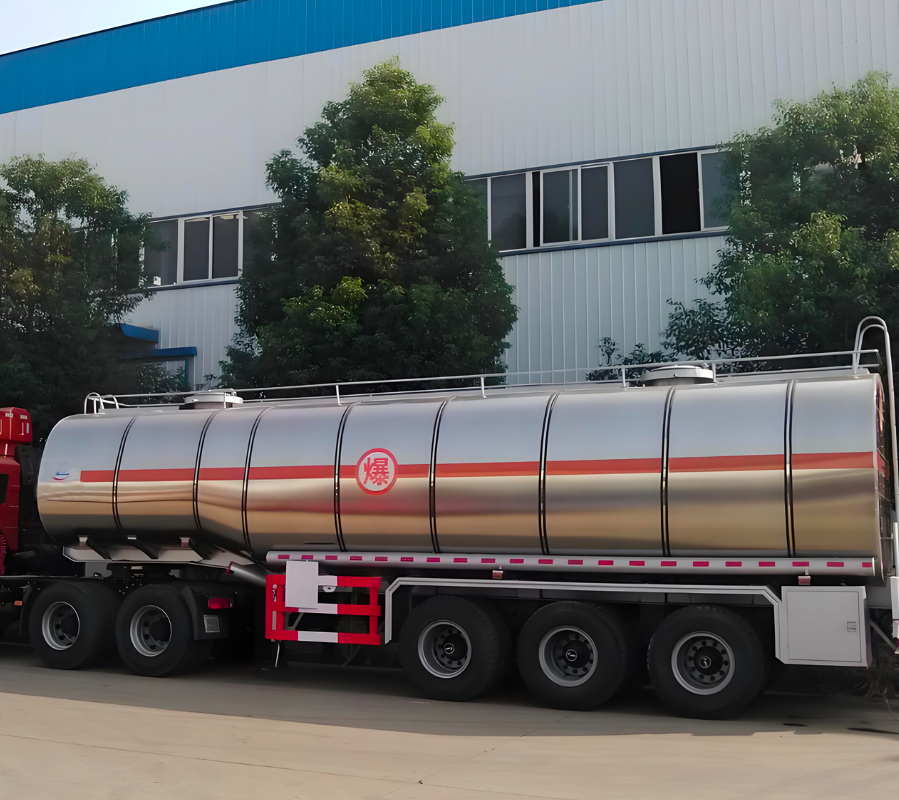
Different tanker designs are developed to safely transport specific types of liquids.
Fuel Tanker Trailer
Used for transporting gasoline, diesel, and petroleum products
Typically made of carbon steel or aluminum alloy
Equipped with safety valves, anti-static systems, and multiple compartments
Chemical Tanker Trailer
Designed for transporting acids, corrosive, or hazardous liquids
Built with stainless steel or specialized coated materials
Includes safety features such as pressure relief systems and corrosion protection
Food Grade Tanker Trailer
Used for edible oils, milk, and other liquid food products
Constructed with food-grade stainless steel
Features hygienic design, smooth inner surfaces, and easy cleaning systems
Common Capacities of Oil Tank Semi Trailers
The capacity of an oil tank semi trailer depends on its axle configuration, local regulations, and intended application. Choosing the right setup ensures both efficiency and compliance.
Standard Capacity Options
| Configuration | Capacity Range | Typical Use |
|---|---|---|
| 2 Axles | 25,000 – 30,000 liters | Medium-distance fuel transport, lighter loads |
| 3 Axles | 40,000 – 45,000 liters (most common) | Standard long-distance fuel and oil transport |
| 4 Axles | Up to 60,000 liters (in some regions) | High-capacity transport, heavy-duty operations |
Rear Lift Axle Feature
Some tanker trailers are equipped with a rear lift axle, which provides additional operational benefits:
Reduces tire wear when the trailer is unloaded
Improves fuel efficiency by lowering rolling resistance
Enhances maneuverability in tight or urban areas
Extends axle and tire lifespan, reducing maintenance costs
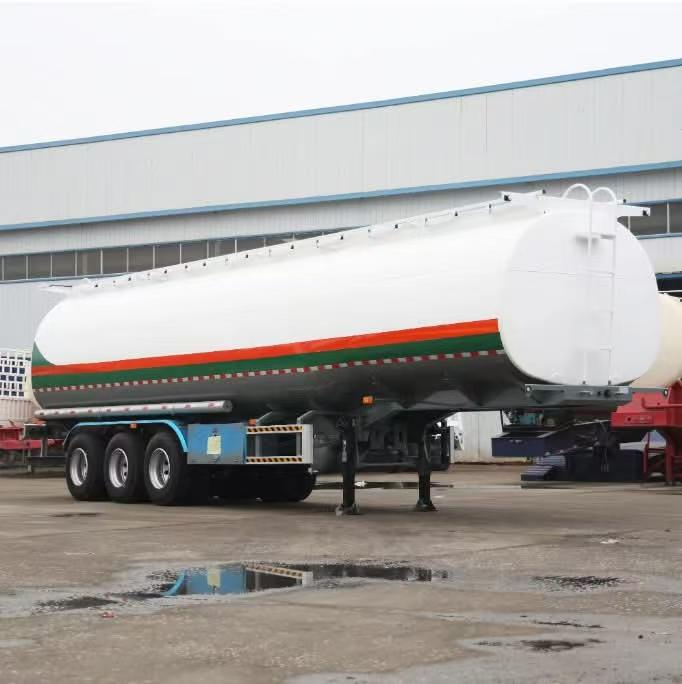
Oil Tank Trailer Technical Specifications
Below is a typical configuration chart applicable to the global market.
Oil Tank Semi Trailer Specifications Table
| Item | Specification |
| Tank Volume | 30,000–60,000 liters |
| Tank Shape | Elliptical / round / square-round |
| Material Options | Carbon steel, aluminum alloy 5083, stainless steel |
| Thickness | Shell 5–6 mm, end plates 6–7 mm |
| Compartment No. | 1–6 |
| Manhole Covers | 16″ / 20″, API standard |
| Discharge Valves | Bottom valve 4″, quick connector |
| Brake System | ABS or EBS optional |
| Suspension | Mechanical or air suspension |
| Axles | 2–4 axles, 13–16 tons each |
| Tire Size | 12R22.5 / 315/80R22.5 |
| Safety Accessories | Anti-static cable, fire extinguisher box, rollover protection |
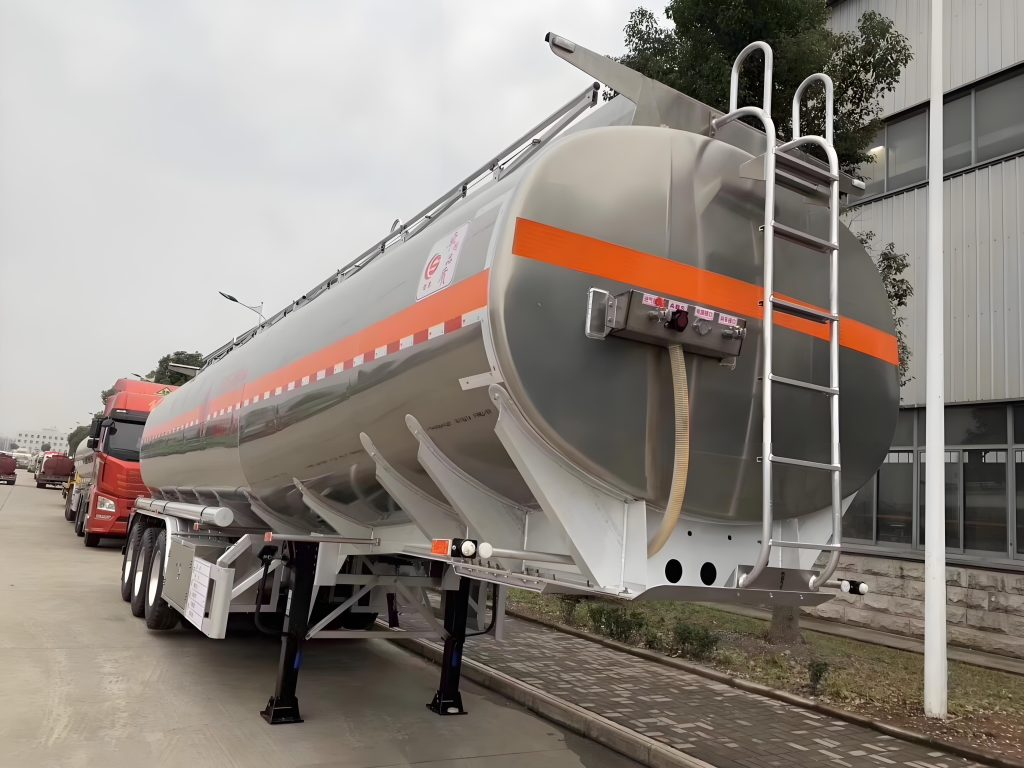
Manufacturing Process of oil tank semi trailer
High-quality fuel tank semi trailer follow a strict manufacturing process:
4.1 Raw Material Selection
Certified steel plates
Aluminum alloy panels of grade 5083/5454
Stainless steel materials suitable for highly corrosive environments
4.2 CNC Cutting and Rolling
CNC plasma/laser cutting accuracy can reach ±1 mm.
Rolling machines can process sheet metal into perfectly shaped cylindrical parts.
4.3 Lateral and Circumferential Welding
Automated Submerged Arc Welding (SAW)
Robotic welding to ensure uniform welds
100% X-ray or ultrasonic inspection to ensure weld integrity
4.4 Corrosion Protection
Sandblasting, standard grade SA 2.5
Epoxy primer + polyurethane topcoat
Internal coating for gasoline and aviation fuel
4.5 Hydraulic Testing
Tanks undergo:
Hydraulic pressure testing (0.2 – 0.4 MPa)
Leakage testing
Vacuum testing
4.6 Assembly and Final Inspection
Installation of manhole covers, valves, ladders, and pipes
Testing of braking systems, electrical equipment, and anti-static devices
Road testing before delivery
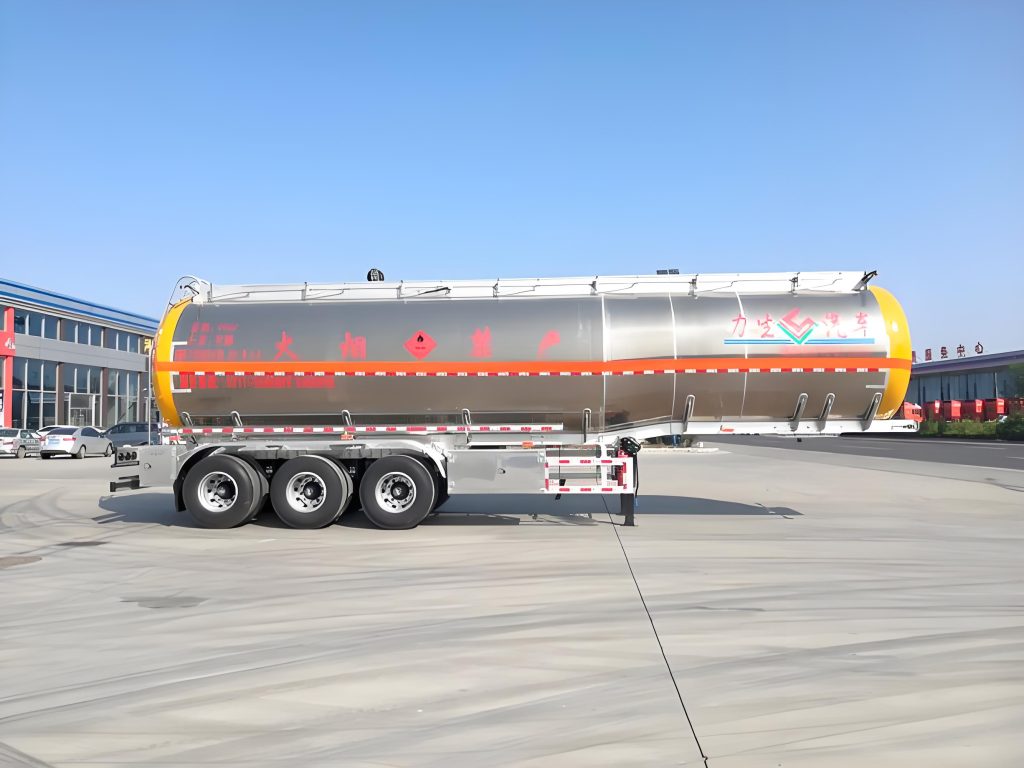
Key Structural Features of Tanker Semi Trailers
Tank semi trailers are specially designed with a unique structure to ensure the safe and efficient transport of liquid cargo under various complex road conditions.
1. Tank Shape Design
Typically, cylindrical or elliptical tanks are used.
These shapes help to evenly distribute internal pressure and improve overall stability during transport.
2. Internal Baffles
Installed inside the tank to control liquid flow, reducing impact and vibration during braking or turning, improving driving stability and reducing the risk of rollover.
3. Multiple Compartments (Optional)
The tank can be divided into independent areas, allowing for the transport of different types of liquids in a single trip, improving load balance and operational flexibility.
4. Safety Valves and Discharge Systems
Equipped with pressure relief valves and emergency shut-off systems, ensuring safe loading and unloading of liquids, preventing overpressure and reducing the risk of accidents.
5. Leakage and Static Electricity Protection
Sealing systems prevent leaks during transport. Anti-static devices reduce the risk of sparks when handling flammable liquids, which is crucial for the safe transport of fuels and chemicals.
How to Choose the Right Tank Semi Trailer
Choosing the right tank semi-trailer depends on your cargo type, transport volume, working environment, and budget. Making the right choice ensures safety, improves efficiency, and achieves long-term cost savings.
1. Transport Medium (Liquid Type)
Different liquids require different tank materials to ensure safety and compatibility.
Fuel (Diesel, Gasoline) → Carbon Steel Tank
Cost-effective, widely used for standard fuel transport.
Chemicals → Stainless Steel Tank
Excellent corrosion resistance to hazardous or reactive liquids.
Food Grade Liquids → Food Grade Stainless Steel Tank
Ensuring hygiene and preventing contamination.
2. Capacity Requirements
Choose the appropriate tank capacity based on your transport scale and delivery needs.
Small-scale Delivery → 20,000 – 30,000 Liters
Suitable for regional delivery and urban fuel supply.
Large-scale Transport → 40,000 – 60,000 Liters
Suitable for long-distance transport and large-scale operations.
3. Road Conditions
The working environment determines the chassis strength and design.
Harsh or off-road environments: A reinforced chassis and heavy-duty suspension enhance durability.
Road transport: Lightweight design improves fuel efficiency and speed. 4. Cost and Efficiency
Striving for a balance between initial costs and long-term benefits is key.
Aluminum alloy tanks: Higher initial cost but lighter weight → higher fuel efficiency and greater load capacity.
Carbon steel tanks: Lower purchase cost but heavier weight → increased fuel consumption over time.
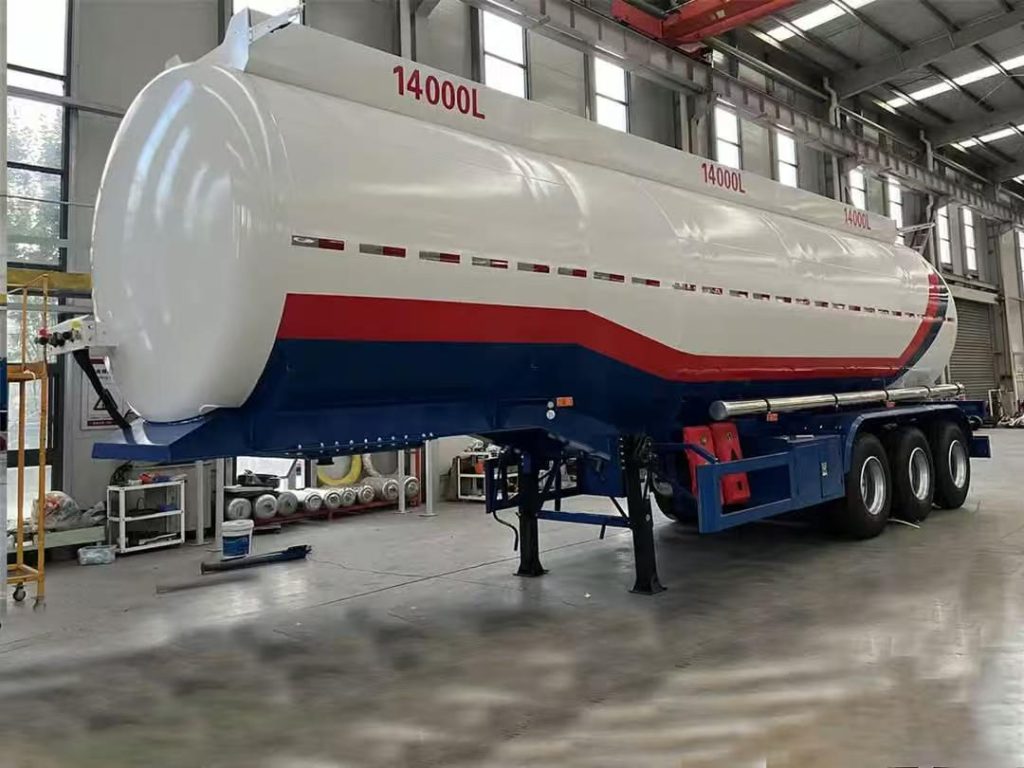
Advantages of Tank Semi Trailers
Tank semi-trailers are designed for efficient, safe, and economical transport of liquid cargo. Their unique structure makes them indispensable equipment in the fuel, chemical, and food-grade logistics sectors.
1. Efficient Bulk Liquid Transport
Large-capacity tanks allow for the transport of large quantities of liquid in a single trip, reducing the number of trips required and improving overall logistics efficiency. Suitable for long-distance and high-demand supply chains.
2. Reduced Cost per Ton
Higher load capacity reduces fuel and labor costs per unit of cargo. Efficient loading and unloading systems shorten operating time. Helps improve the overall return on investment for logistics operators.
3. Safe and Sealed Structure
Fully enclosed tank design prevents leaks and contamination. Equipped with safety valves, pressure control systems, and anti-static devices, ensuring the safe transport of flammable, hazardous, or sensitive liquids.
4. Flexible Multi-Compartment Design
Optional internal compartments allow a single trailer to transport different types of liquids, improving load balance and operational flexibility. Enables efficient delivery of goods to multiple destinations in a single trip.
Why are Chinese tank semi trailer so popular?
Chinese-made fuel oil tanker semi trailers are widely favored by international buyers for their excellent balance of cost, quality, and customization. Several key factors contribute to their growing global popularity:
1. Competitive Pricing
Typically 30% to 50% cheaper than comparable products from Europe or the US. Lower production and labor costs help reduce the overall purchase price.
High cost-effectiveness for companies with limited budgets looking to expand their fleet.
2. Advanced Manufacturing and Welding Technology
The use of automated welding production lines ensures consistent manufacturing quality.
Ultrasonic and non-destructive testing (NDT) improves structural reliability.
Modern manufacturing processes enhance durability and safety performance.
3. Multiple Tank Material Options
Chinese manufacturers offer a variety of material options to meet different application needs:
Carbon steel: Cost-effective for fuel and oil transportation
Aluminum alloy: Lightweight and fuel-efficient
Stainless steel: Suitable for chemicals and food-grade liquids.
4. Global After-Sales Support
Global spare parts supply
Remote technical support and maintenance guidance
Faster response time for international customers
This support helps reduce downtime and ensures long-term stable operation of equipment. 5. High Degree of Customization
Chinese tank trailer supplier are known for their flexible production capabilities:
Adjustable tank capacity and compartment design
Customized valves, piping systems, and safety devices
Selection of shaft brands and configurations
Personalization of branding, colors, and markings
Conclusion
Oil tank semi trailer play a vital role in the global fuel supply chain. Whether for gasoline delivery, diesel logistics, aviation fuel transportation, or crude oil transport, the right tanker semi trailer can significantly improve safety, efficiency, and long-term operational value.
By understanding materials, manufacturing processes, safety regulations, and key specifications, buyers can make informed choices and select high-performance oil tanker semi trailer that meet the needs of their local markets.
FAQ – Oil Tank Semi Trailer
What is an oil tank semi trailer used for?
It is used to transport liquid fuels such as diesel, gasoline, and other petroleum products.
What is the typical capacity of an oil tanker trailer?
Most oil tank semi trailers have a capacity of 30,000 to 60,000 liters.
What materials are used for oil tank trailers?
Common materials include carbon steel, aluminum alloy, and stainless steel.
What is the difference between fuel and chemical tankers?
Fuel tankers carry petroleum products, while chemical tankers are designed for corrosive or hazardous liquids.
Can one trailer carry different types of liquids?
Yes, multi-compartment tankers can transport different liquids separately.
How is safety ensured during transport?
Safety is ensured through sealed tanks, internal baffles, and pressure relief systems.