
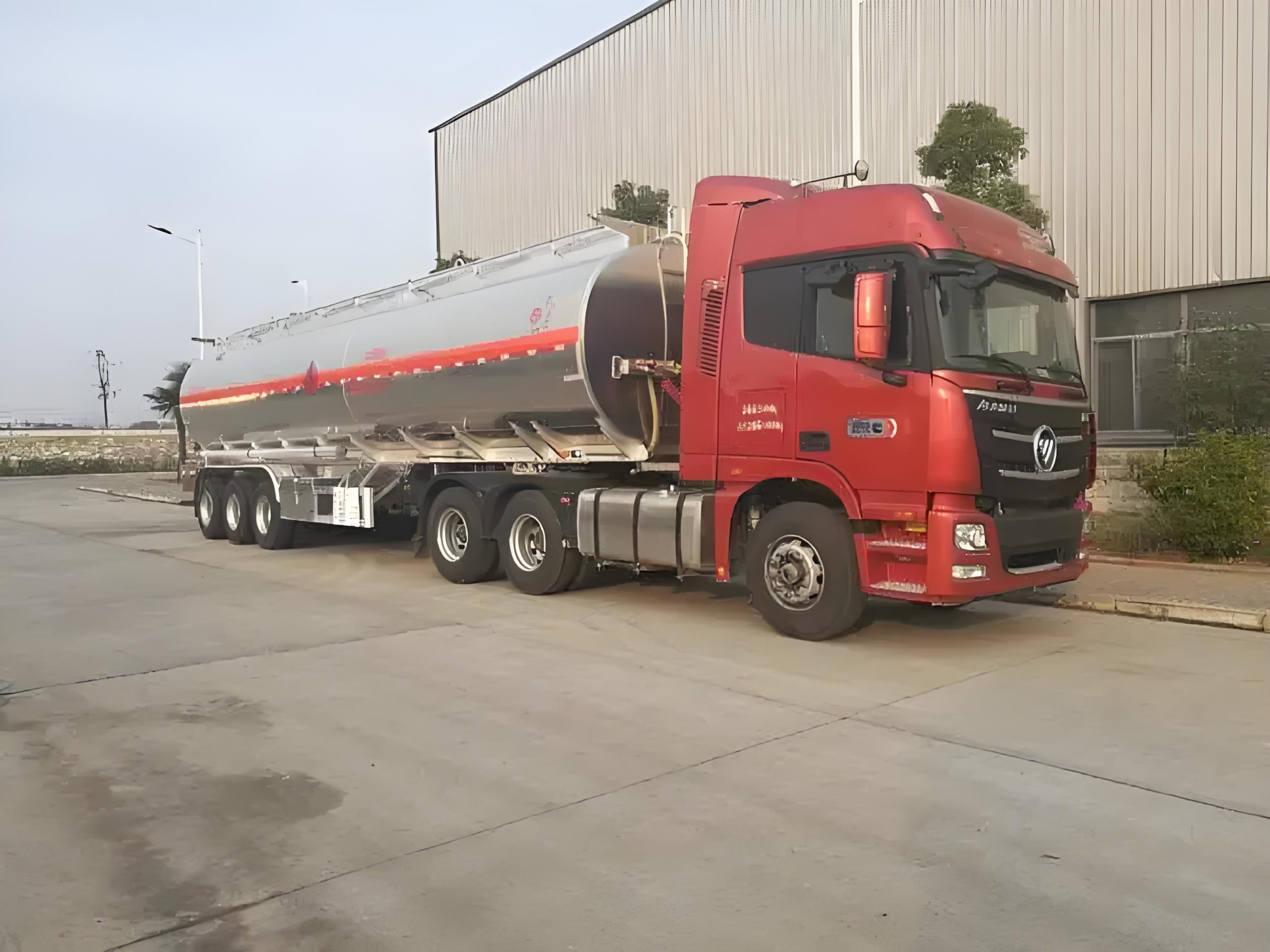
How to Choose the Best Semi Tanker Trailer

Overview
With rising global demand for fuels, chemicals, liquefied petroleum gas, food-grade liquids, and industrial materials, selecting the right semi tanker trailer has become a strategic decision for logistics operators. New safety regulations, advanced manufacturing technologies, With the increasing demand for transportation methods, choosing a tanker trailer that matches your business model, cargo characteristics, and operating environment becomes crucial.
This guide including key factors to consider when purchasing a tank semi trailer, including material selection, tank design, capacity planning, axle configuration, regulatory requirements, and maintenance strategies. Whether you operate a fuel delivery company, a chemical transport fleet, or a construction supply chain, the right trailer can improve safety, reduce operating costs, and increase profitability.
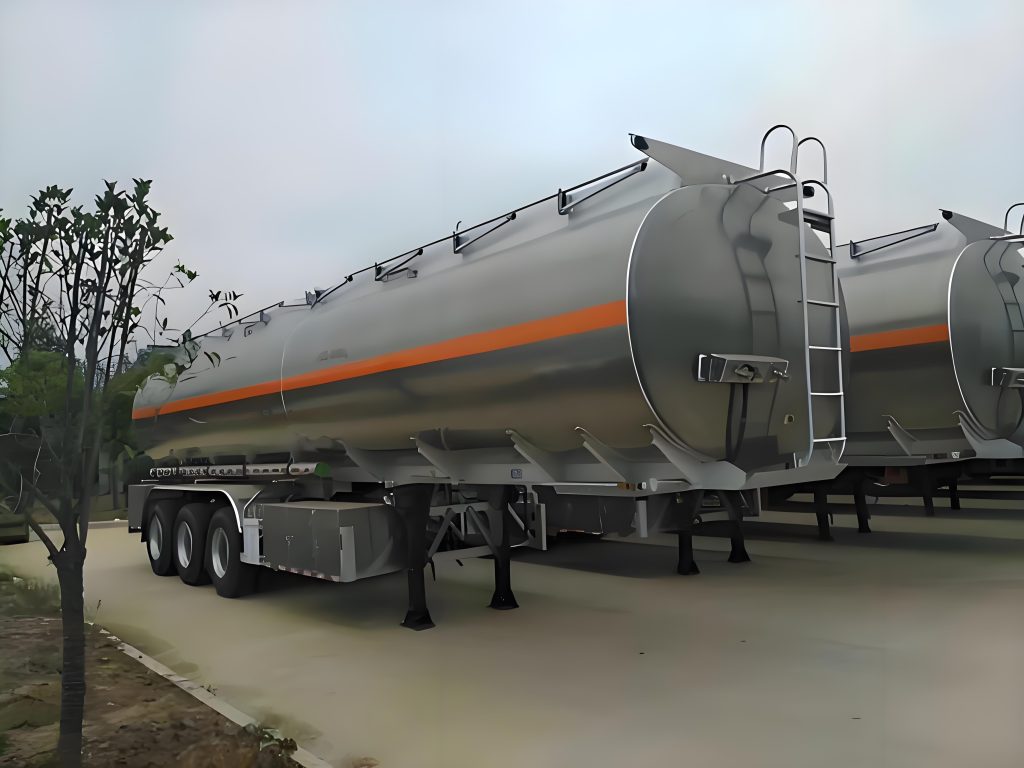
Determine Your Primary Cargo Type
The most important step is to accurately understand which cargo you are transporting. Each material requires a different semi tanker trailer structure, lining, and safety features.
Common Cargo Types and Optimal Tank Trailer Selection
| Cargo Type | Recommended Tank | Special Requirements |
| Gasoline & Diesel | Carbon steel / Aluminum tanker | Anti-static, multi-compartment |
| Jet Fuel | Aluminum alloy | High purity, smooth polish |
| Chemicals | Stainless steel 316L | Anti-corrosion lining |
| Food-Grade Liquids | Stainless steel 316L | CIP cleaning system |
| LPG & Propane | High-pressure steel | ASME/ADR standard |
| Hot Bitumen | Insulated steel tank | Burner or heating coil |
| Powder (cement, fly ash) | Pneumatic tanker | Air compressors |
Each cargo type directly impacts the semi tanker trailer material, design, and unloading system you must choose.
Choosing the Right tanker Material
Tanker material selection will determine durability, weight, cost, and maintenance workload. The three main materials used are:
Carbon Steel tanker semi trailer
Advantages:
Strong and affordable,Suitable for fuels and asphalt,Long service life
Disadvantages:
Heavier,Requires rust-resistant coating
Aluminum Alloy tanker semi trailer
Advantages:
Lightweight → Fuel savings
Naturally corrosion-resistant
Suitable for gasoline and aviation fuels
Higher resale value
Disadvantages:
Higher purchase cost
Not suitable for highly corrosive chemicals
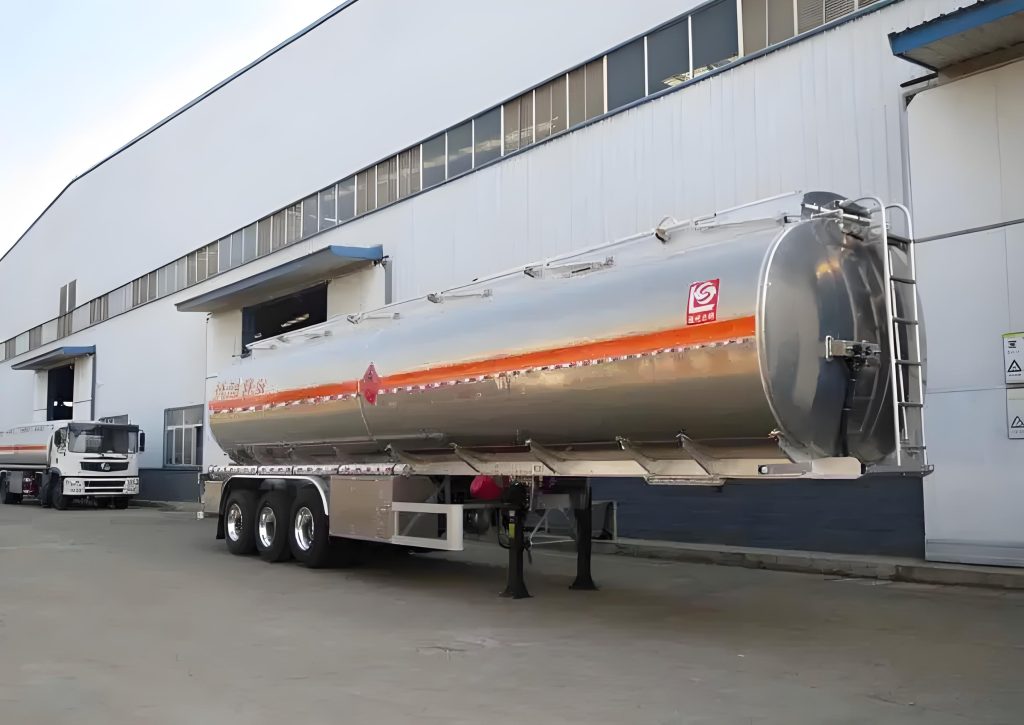
Stainless Steel tanker semi trailer
Advantages:
Optimal corrosion resistance
Suitable for chemicals and food-grade liquids
Hygienic and easy to clean
Disadvantages:
More expensive
Heavier than aluminum
Choosing the Right semi tanker trailer Capacity
Fuel and chemical dealers will focus on fleet optimization. Choosing the right capacity can avoid overloading penalties and reduce operating costs.
Typical Liquid Storage Tank Capacities:
30,000 to 45,000 liters for long-haul fuel transport
45,000 to 60,000 liters for highway operation
Capacity should be matched with:
Road regulations
Vehicle gross weight limits
Regional terrain conditions
Gas station or industrial loading/unloading requirements
Semi tanker trailer structure
The geometry of a tank greatly affects its stability and weight distribution.
Tank Shape
| Shape | Best For | Benefits |
| Elliptical | Fuel transport | Lower center of gravity, safer |
| Round | High-pressure or LPG | Stronger and more stable |
| Square-round | Large volume | Best balance of capacity + stability |
Number of Compartments
Multi-compartment semi tanker trailer (3 to 7 compartments) allow you to transport multiple liquids in a single trip.
Advantages:
Prevents contamination of fuel mixtures
Supports multi-site delivery
Reduces logistics costs per shipment
Axle,Suspension,Chassis Selection
Choosing the appropriate running gear determines the trailer’s performance on highways, rough terrain, or steep slopes.
Axle Configuration
2 axle→ Light-duty
3 axle → Standard configuration for fuel tank trucks
4 axles semi tanker trailer → Heavy-duty, long-haul fleets
Suspension System
| Type | Best For | Advantages |
| Mechanical | Heavy loads, rugged roads | Economic, durable |
| Air suspension | High-value goods | Smooth ride, protects tank |
| Single-point | Construction/mining | Extra strong |
Chassis Frame
Selection:
High-strength Q345/T700 steel
Reinforced beams
Sandblasting and rust prevention treatment
This ensures long-term structural stability.

Loading and Unloading Systems
Choose the right loading and unloading system to improve efficiency, safety, and operational performance.
| Trailer Type | Available Systems |
|---|---|
| Fuel Tanker Semi Trailer | Bottom Loading API System, Gravity Discharge, Flow Meter (Optional) |
| Chemical Tanker Trailer | Stainless Steel Pump, Sealed Top Loading, Drawer-Type Control Cabinet |
| Asphalt Tank Trailer | Diesel Burner, Heat Transfer Oil Piping System |
| LPG Tanker Trailer | Compressor-Assisted Discharge, High-Pressure Safety Valves |

Semi Tanker Trailer Safety Feature
Modern semi tanker trailers are equipped with advanced safety systems to ensure secure transportation of fuel, chemicals, and other liquid cargo.
| Safety Feature | Function |
|---|---|
| Emergency Shut-Off Valve | Stops liquid flow in emergencies |
| Overflow Sensor | Prevents tank overfilling |
| Pressure Relief Valve | Regulates internal tank pressure |
| Anti-Rollover Braking | Improves vehicle stability |
| Fire-Resistant Manhole Cover | Enhances fire protection |
| Electronic Braking System (EBS) | Improves braking performance |
| Anti-Static Grounding Wire | Prevents static discharge during loading and unloading |
Reliable safety systems reduce accident risks, protect valuable cargo, and improve driver safety during transportation.
Semi tanker trailer Maintenance
A high-quality semi tanker trailer is worthless if spare parts and repair services are difficult to obtain.
Choose suppliers of the following services:
Local Service Center
Global Spare Parts Supply Network
24/7 Technical Support
Long-Term Warranty (3 to 5 Years)
Reliable maintenance services extend the trailer’s lifespan and reduce operating costs.
Tanker Trailer Specifications:
45,000-liter fuel tank semi trailer
| Item | Specification |
| Capacity | 45,000 Liters |
| Material | Aluminum Alloy / Q345 Steel |
| Compartments | 1–7 |
| Axles | 3 |
| Suspension | Air or Mechanical |
| Discharge Valve | API 3” Bottom Valve |
| Braking | ABS/EBS |
| Optional | Flow meter, lift axle, vapor recovery, GPS |
Conclusion
Selecting the most suitable semi tanker trailer for your business in 2025 requires a clear understanding of your cargo, operating environment, regulations, and long-term cost-effectiveness. By evaluating tank materials, capacity, axle configuration, safety systems, and after-sales service, you can invest in a product that improves productivity, reduces risk, and maximizes profits.
FAQ
1. What factors should I consider when choosing a semi tanker trailer?
Load capacity ,Tank material,number of axles ,Type of liquid (fuel, chemicals, water, cement)
2. How do I choose the right tanker capacity?
Choose based on transport volume, road limits, and business needs.
3. What type of tanker trailer is best for fuel transport?
Multi-compartment design allows transporting different fuel types in one trip.
4. How important is safety when choosing a tanker trailer?
Anti-rollover design ,Emergency shut-off valves ,Anti-static system
5. What is the difference between fuel tanker and chemical tanker trailers?
Chemical tankers require stainless steel and special coatings.
6. What is the average price of a semi tanker trailer?
Typical price range:$12,000 – $35,000
7. How do I choose a reliable tanker trailer manufacturer?
A reliable supplier ensures long-term performance and safety.