

Used HOWO 371 Tractor Truck High Fuel Consumption Under Heavy Load: What to Check

When a familiar loaded route suddenly needs more diesel, replacing engine parts first can send the diagnosis in the wrong direction. Fuel records, trailer resistance, road conditions and drivetrain losses should be separated before the engine becomes the main suspect.
A high-fuel-consumption complaint on a used HOWO 371 tractor truck often starts with a simple observation: the same tractor, trailer and freight job no longer finish the route with the expected fuel use. Sometimes the truck also feels slower on climbs. In other cases, performance seems normal and only the operating records reveal the change.
The first task is to prove that the increase is abnormal under comparable work. Once that point is clear, the inspection can move from route demand and rolling resistance toward airflow, fuel delivery, cooling and drivetrain losses without relying on parts replacement by guesswork.
Confirm That Consumption Is Abnormal on Comparable Work
A high fuel figure has little diagnostic value when the work behind it has changed. A loaded tractor leaving a port during heavy traffic cannot be compared fairly with an earlier highway trip completed at steady speed. Likewise, a route with repeated gradients and poor access roads creates a different demand from a flat paved corridor.
Fuel consumption should be compared only across trips with broadly similar conditions. Payload, trailer, distance, road surface, gradient, average speed and idle time all affect the result. Several comparable trips are more useful than one unusually expensive journey.
Look for a change in pattern
A sudden increase often points toward a different cause than gradual deterioration. For example, fuel use that changes immediately after brake work, tire replacement or intake maintenance deserves attention around that recent intervention. A slow increase over several weeks may follow falling tire pressure, increasing brake drag or progressive filter restriction.
Trailer history matters as well. If fuel use returns to normal with another known serviceable trailer, the first inspection should move toward the original trailer. Its tires, brakes, wheel ends or alignment may be adding resistance that the tractor engine has to overcome.
Use one fuel-recording method
Fuel issued, distance travelled and engine hours form a practical baseline. The filling method should remain reasonably consistent. Intermediate refuelling, workshop fuel use and long stationary periods should also stay visible in the record rather than disappearing inside a single trip total.
Where load varies significantly, distance alone can create a misleading comparison. A tractor moving substantially more freight may consume more fuel while still performing efficiently. Available payload or operating-weight records should therefore sit beside the fuel figure.
Fuel diagnosis should not continue when the vehicle shows signs of a fault that could damage components or affect road safety.
- Visible fuel leakage
- Brake smoke or severe wheel-end heat
- Abnormal engine temperature
- Severe drivetrain vibration or metallic noise
- Power loss that prevents safe operation in traffic
Normalize the Comparison by Load, Route and Idle Time
Once the increase appears repeatable, the next step is separating harder work from mechanical loss. Heavy-load fuel use changes with the energy required to move the complete tractor-trailer combination, so a useful comparison needs more than kilometres travelled.
Consider two terminal runs covering the same distance. One combination leaves the gate quickly and maintains steady road speed. The other waits in a queue, moves several truck lengths, stops again and repeatedly accelerates with the same payload. Although both trips cover identical kilometres, their fuel demand can be very different.
- Available cargo or operating-weight record
- Trailer type and trailer identification
- Route distance and major gradients
- Road surface and site-access condition
- Engine hours and stationary running
- Average road speed
- Major queue or traffic delays
- Strong wind or unusual weather
Separate idle time from road work
Long idle periods can distort distance-based fuel records. Port queues, border checks, loading delays and construction-site waiting may add engine hours without adding useful road distance. Litres per kilometre can therefore deteriorate even though loaded driving performance has not changed.
Engine-hour data makes this easier to see. Where telematics are unavailable, dispatch timestamps and simple operating notes can still reveal whether the high-consumption trip included unusual stationary running.
Treat gradients, road surface and stop-start work as real load
A sustained climb requires continuous engine output. Loose gravel, deep ruts, mud and soft access roads increase rolling resistance and can create wheel slip. Frequent stops also force a loaded combination to rebuild road speed repeatedly. A shorter industrial or worksite route may therefore consume more fuel than a longer paved highway movement.
Record where long climbs begin, when downshifts become necessary, whether normal road speed can be maintained and whether coolant temperature changes. These observations are more useful than a general statement that the truck feels weak uphill.
Load and route testing must remain within the applicable axle, roadworthiness and traffic requirements of the destination market. Diagnostic work should never depend on deliberate overloading or unsafe operating conditions.
Check Tires, Brakes, Alignment and Rolling Resistance
Rolling resistance deserves attention before expensive engine work. A mechanically healthy engine still burns extra fuel when tires deform too much, brakes fail to release fully or axles scrub across the road. Under high combination weight, even moderate resistance can become obvious on long climbs.
Check every tire, not only the tractor drive axle
Tire pressure should follow the applicable tire specification and actual operating load. Underinflation increases casing deformation and rolling resistance. Increasing pressure beyond the correct requirement is not a proper fuel-saving method because traction, wear and tire condition also matter.
Wear patterns provide additional clues. Feathering, repeated shoulder wear or unusual differences between comparable positions can point toward alignment, suspension or pressure problems. On dual-wheel positions, major differences in effective diameter or inflation also deserve investigation.
Look for brake drag on the tractor and trailer
A dragging brake continually turns useful engine output into heat. The truck may still reach road speed, yet acceleration feels heavier and more fuel is required to maintain momentum. After a controlled run, one wheel area may also show noticeably more heat than comparable positions.
Trailer brakes should receive equal attention. A trailer wheel that does not release correctly can make the tractor appear underpowered. Air-system release, visible brake condition and wheel-end behaviour should be reviewed across the complete combination.
Temperature differences are only a clue. Recent braking, load distribution and bearing condition can also affect heat. Qualified inspection should identify the actual cause before adjustment or component replacement.
Alignment and wheel ends can hide resistance
Misalignment makes tires scrub instead of rolling cleanly. Persistent steering correction, uneven tire wear or a trailer that appears to track sideways can justify professional alignment measurement. Replacing worn tires without correcting the geometry only hides the symptom temporarily.
Wheel bearings can also add drag when lubrication, wear, contamination or adjustment is wrong. Rough rotation, leakage, excessive play, noise or unusual heat deserves workshop attention. Bearing adjustment should always follow the correct service procedure.
If higher fuel use appears only with one trailer, verify that trailer before opening the engine. Brakes, tires, alignment and wheel ends can create significant resistance without generating an obvious dashboard warning.
Review Engine Air, Fuel and Cooling Conditions
After route demand and rolling resistance are understood, engine diagnosis becomes more focused. Heavy towing can expose faults that stay hidden during empty running. Airflow restriction, a charge-air leak or weak fuel supply may therefore show up mainly during loaded acceleration or long gradients.
Inspect the complete intake path
The inspection should include the air-cleaner housing, filter, ducts, clamps and charge-air connections. Dust around a sealing joint suggests a different issue from a restricted filter. Likewise, oil mist near a boost-hose connection can identify an area that needs closer pressure testing.
A small charge-air leak may remain difficult to notice with an empty trailer. Under heavier engine demand, however, reduced airflow can become more obvious. Weak pulling, increased smoke, unusual air noise and slower response can support further testing.
Turbocharger replacement should not be based on sound alone. Intake restriction, charge-air leakage, lubrication, exhaust condition and actual boost behaviour should be assessed together before a major component is condemned.
Review fuel delivery before replacing injection components
Fuel filters, water separation, line condition, tank contamination and visible leakage should be checked before deeper injection work. A partially restricted supply may appear acceptable at light demand but become noticeable when the engine requires more fuel under load.
Injection-system faults can contribute to poor combustion, smoke, rough running or increased consumption, but fuel use alone cannot prove the failure of an injector, pump or other major component. The next test should follow the actual engine and fuel-system configuration and the applicable service procedure rather than assumption.
Watch what happens to cooling performance on a long climb
Cooling demand rises during sustained heavy work. Radiator blockage, poor airflow, coolant problems, fan-control issues or damaged plumbing may therefore become visible only after the combination has been climbing for some time.
Abnormal temperature should take priority over fuel testing. Continuing to operate an overheating engine simply to collect more consumption data risks turning a diagnostic issue into major mechanical damage.
Service history can shorten the investigation. If the change began after filter replacement, hose work or cooling-system maintenance, the recently disturbed areas should be reviewed before unrelated components are replaced.
Inspect Clutch, Transmission and Drivetrain Losses
Engine output must pass through the clutch, gearbox, propeller shafts, differential and drive axles before it reaches the road. Mechanical loss anywhere in that chain can increase fuel demand even when combustion remains normal.
Load makes these problems easier to expose. A component may behave acceptably during an empty yard movement but start slipping, heating or vibrating once trailer weight increases torque demand.
Clutch slip converts fuel into heat
When clutch slip develops, engine speed rises without a matching increase in road speed. A change in engagement behaviour, a burning smell or poor loaded acceleration can therefore justify immediate clutch-system inspection.
Deliberate abusive testing is unnecessary. Normal loaded behaviour and proper workshop procedures should provide enough evidence to inspect the friction components, release system and related controls.
Separate gearbox faults from operating technique
Gearbox noise, difficult shifting, leakage and unusual heat deserve attention. An unsuitable gear choice, however, is not the same as internal transmission damage. Repeated high engine speed, gear hunting or prolonged lugging can affect fuel use even when the gearbox itself remains serviceable.
Further downstream, universal joints, support bearings, propeller shafts and differential components can create load-dependent noise or vibration. Severe vibration should end the test because continued heavy operation can accelerate driveline damage.
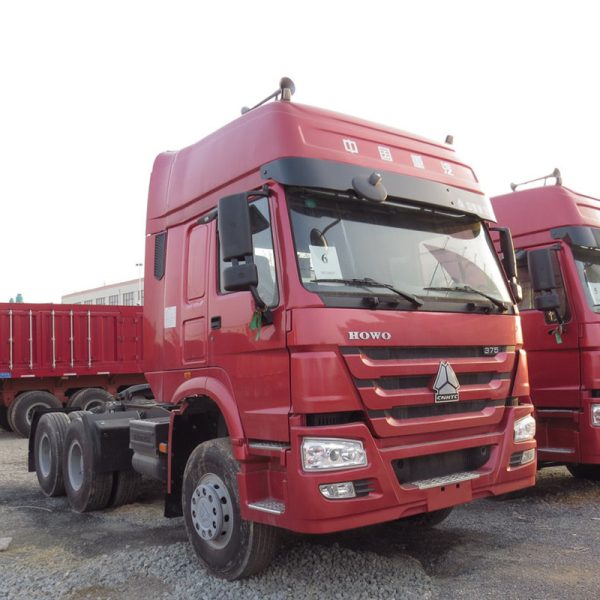
If repeated diagnosis shows that the existing vehicle no longer suits the operating requirement, the wider used HOWO tractor truck range can provide model and configuration context. Diagnosis of the current truck should still stay focused on its actual condition, service history and operating symptoms.
Use Fleet Patterns to Isolate the Source
Fleet comparisons can reveal where to look next. If several tractors show the same increase on one route, gradient, traffic, road condition or operating pattern becomes more likely. One tractor showing higher consumption across several comparable routes points more strongly toward that vehicle.
The same logic applies to trailers. When one trailer creates higher consumption behind several otherwise normal tractors, rolling resistance on that trailer becomes a strong diagnostic lead.
Build a Measured Test and Diagnostic Handoff
Once obvious safety issues and external resistance have been checked, a controlled repeat run can provide the next layer of evidence. The test does not need laboratory precision. The important point is keeping enough conditions stable for the result to mean something.
Keep the comparison repeatable
Where operations permit, use the same tractor, trailer, representative load and route. Record fuel use, distance, engine hours, idle time, average speed, traffic delays and any unusual behaviour.
Before departure, inspect tires, visible brake condition, leaks, intake plumbing and warning indications. Recent repairs should also be noted because a problem that begins immediately after workshop work can shorten the diagnostic path.
During the run, record when the symptom appears rather than simply marking the trip as abnormal. Weak performance that begins only during a long climb points toward a different investigation from poor response present immediately after departure.
Give the workshop a diagnostic handoff instead of one fuel number
A structured handoff reduces repeated questioning and unnecessary parts replacement. The operating record should explain the conditions that reproduce the problem, when it started and what has already been inspected.
- Fuel used on comparable trips
- Distance and engine hours
- Available payload records
- Trailer identification
- Route gradient and road surface
- Average speed and idle time
- Traffic or queue delays
- Tire and brake observations
- Recent maintenance or repair history
- Engine identification and fuel-system type
- Smoke, heat, noise or vibration
- Warning lamps or available diagnostic information
- Photos of visible abnormalities
Electronic diagnostic information can support the investigation on configurations that provide it, but it should not replace physical inspection. Diagnostic software cannot see a dragging trailer brake, a soft tire or a badly rutted site road.
After a confirmed repair, repeat the same type of route where practical. If brake drag disappears but fuel use stays high, further investigation remains necessary. Multiple smaller losses can exist at the same time on a working tractor.
Related Reading
This article focuses on abnormal heavy-load fuel diagnosis. For broader pre-purchase condition checks, trailer matching or replacement planning, use the buying guide and tractor category below.
FAQ
How can high fuel consumption be confirmed fairly?
Several trips should be compared under broadly similar payload, trailer, route, gradient, road surface, speed and idle-time conditions. One isolated trip is not enough because traffic, weather or loading can distort the result.
Use the same fuel-recording method whenever practical and compare the result with the truck’s own historical baseline rather than relying on one universal fuel-consumption number.
Should injectors or the turbocharger be replaced first when loaded fuel use rises?
No major component should be replaced from fuel consumption alone. Brake drag, tire resistance, intake restriction, charge-air leakage, fuel-supply problems and clutch slip can produce similar symptoms.
Injection-system or turbocharger work should follow measurable evidence and the correct procedure for the actual engine and fuel-system configuration.
Turn the Fuel Complaint Into a Measurable Diagnosis
Heavy-load fuel problems become easier to solve when operating data and mechanical evidence are reviewed together. First, establish whether the route and load are comparable. Next, rule out tires, brakes and other rolling resistance. Engine and drivetrain testing can then follow when the earlier checks do not explain the change.
- Build a repeatable trip record. Keep route, trailer, load context and fuel measurement as consistent as practical.
- Check external resistance early. Tires, brakes, alignment and wheel ends can create substantial fuel loss under load.
- Prepare evidence before major repairs. Fuel records, gradient, idle time, speed, recent maintenance, engine identification and abnormal symptoms give technicians a clearer starting point.
For technical diagnosis, prepare the unit’s fuel records, engine identification, load data, trailer type, route gradient, idle time, recent maintenance and any smoke, heat, vibration, noise or power-loss symptoms before workshop inspection.
If replacement or additional fleet capacity is being considered, compare the required engine and vehicle configuration against the actual trailer type, operating load, route conditions, daily mileage and destination-market requirements before requesting a quotation.
Ultimately, high fuel consumption under heavy load on a used HOWO 371 should be confirmed through comparable operating data before expensive parts are replaced. A layered diagnosis separates normal route demand from rolling resistance, engine inefficiency and drivetrain loss, giving the workshop a clearer basis for the next repair decision and giving the fleet operator better information if replacement becomes necessary.