

Understanding Flatbed Semi Trailer: Features and Benefits

When buyers from Africa, West Asia, Southeast Asia, or South America start looking for a semi trailer flatbed, the questions are usually practical.
How strong is the structure?
Can it handle rough roads?
Is it suitable for different types of cargo?
And most importantly, will it last after years of real work?
A flat bed semi trailer may look simple, but its design details directly affect transport efficiency, safety, and long-term operating cost. This article explains the key features and real benefits of a heavy duty flatbed trailer, helping you understand why it remains one of the most widely used trailer types in global logistics.

What Is a semi trailer flatbed?
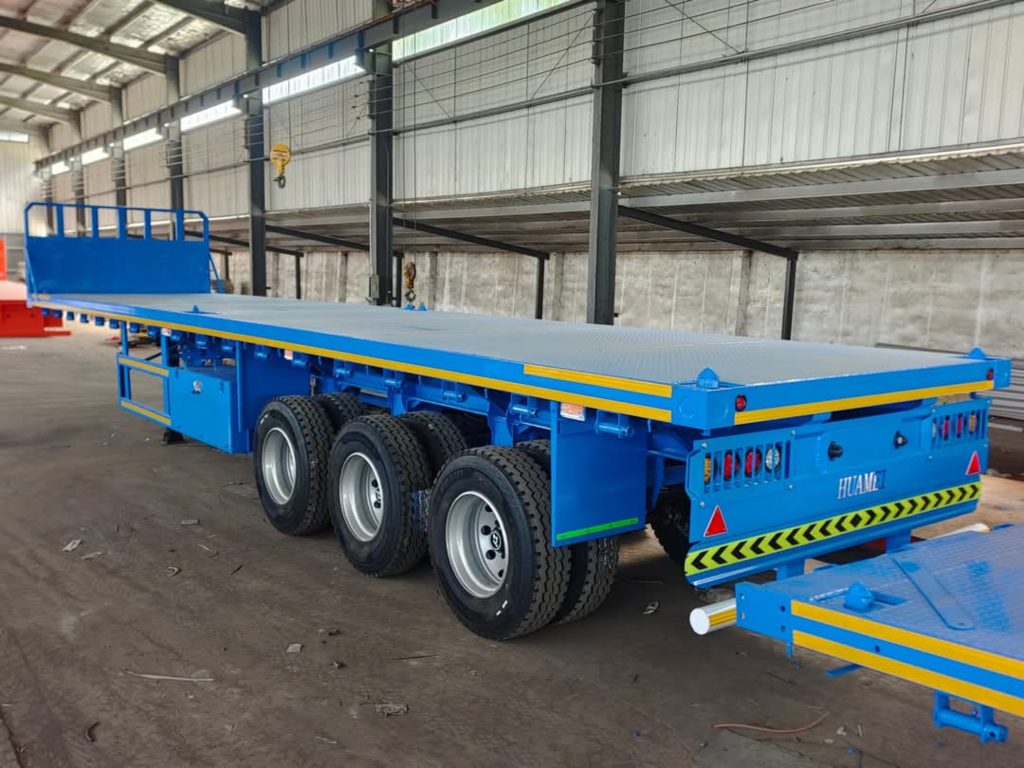
A flat deck semi trailer is an open-deck trailer without sidewalls or a roof. This structure allows cargo to be loaded from the sides, rear, or top, making it extremely flexible for different transport tasks.
It is commonly used to carry:
Containers
Steel products
Construction materials
Machinery and equipment
Oversized or irregular cargo
Because of this versatility, flatbed equipment trailer are widely used across developing and emerging markets.
Key Structural Features of a semi trailer flatbed
Strong Main Beam Design
The main beam is the backbone of the trailer. Most modern flat bed semi trailers use high-strength steel such as Q345, Q460, or Q550.
Many flatbed trailer manufacturers design the beam with a slight arch (camber) to:
Improve load-bearing capacity
Reduce long-term deformation
Extend service life under heavy loads
This feature is especially important in regions where road conditions are not ideal.
Open Deck for Flexible Loading
Unlike box or sidewall trailers, the flatbed design offers:
Easy crane loading
Faster cargo handling
Better adaptability to different cargo sizes
For logistics companies handling mixed cargo, this flexibility is a major advantage.
Multiple Axle and Suspension Options
Depending on load requirements and regulations, flatbed semi trailers are commonly available with:
3 axle flatbed trailer or 4 axle flatbed trailer
Mechanical suspension for durability
Air suspension for sensitive cargo
This allows buyers to choose the best flatbed equipment trailer configuration for their specific market.
Benefits of Using a semi trailer flatbed
High Versatility Across Industries
One of the biggest benefits of a flat deck semi trailer is its ability to serve multiple industries. From infrastructure projects in Africa to industrial transport in Southeast Asia, the same trailer can handle very different tasks.
This versatility helps operators:
Reduce fleet complexity
Improve equipment utilization
Lower overall investment cost
Better Performance on Rough Roads
In many export markets, transport routes include construction zones, mining roads, or rural highways.
A well-built flat bed semi trailer offers:
Strong frame resistance to twisting
Stable performance under uneven loads
Reduced maintenance frequency
This makes it suitable for long-term use in challenging environments.
Easier Maintenance and Lower Downtime
The simple structure of a flat deck semi trailer means:
Fewer components to repair
Easier inspection of the frame
Lower long-term maintenance costs
For fleet owners, this directly translates into higher uptime and better return on investment.
Typical Technical Specifications (Export Model)
Item
Common Specification
| Item | Common Specification |
| Trailer Length | 40ft / 45ft / 48ft |
| Payload Capacity | 30–60 tons |
| Main Beam Material | Q345 / Q460 / Q550 |
| Beam Structure | I-beam or box beam |
| Axles | 2 or 3 |
| Suspension | Mechanical or air |
| Deck Height | 1,500–1,550 mm |
| Tire Size | 12R22.5 / 315/80R22.5 |
These configurations are commonly offered by experienced flatbed semi trailer manufacturers serving overseas markets.
How to Choose the Best Flatbed Semi Trailer for Your Market
Match the Trailer to Your Cargo
Different cargo types place different stress on the trailer frame. Before purchasing a flatbed equipment trailer for sale, consider:
Average cargo weight
Load distribution
Loading method (crane, forklift, ramp)
This ensures the trailer performs well in daily operation.
Consider Road and Climate Conditions
Markets in Africa, West Asia, and South America often face:
High temperatures
Dusty environments
Uneven road surfaces
Choosing corrosion-resistant coatings and reinforced structures can significantly improve durability.
Work with Experienced Manufacturers
Not all suppliers understand export market requirements. Reliable semi trailer flatbed manufacturers usually provide:
Customized specifications
Load calculations
Export-ready configurations
This reduces risk and avoids costly modifications after delivery.
Why semi trailer flatbed Are Popular in Global Markets
The popularity of the Flat bed Semi Trailer is not accidental. It combines:
Structural simplicity
Operational flexibility
Proven reliability
For transport companies operating in diverse conditions, it remains one of the most practical trailer choices available.
How semi trailer flatbed Perform in Different Working Environments
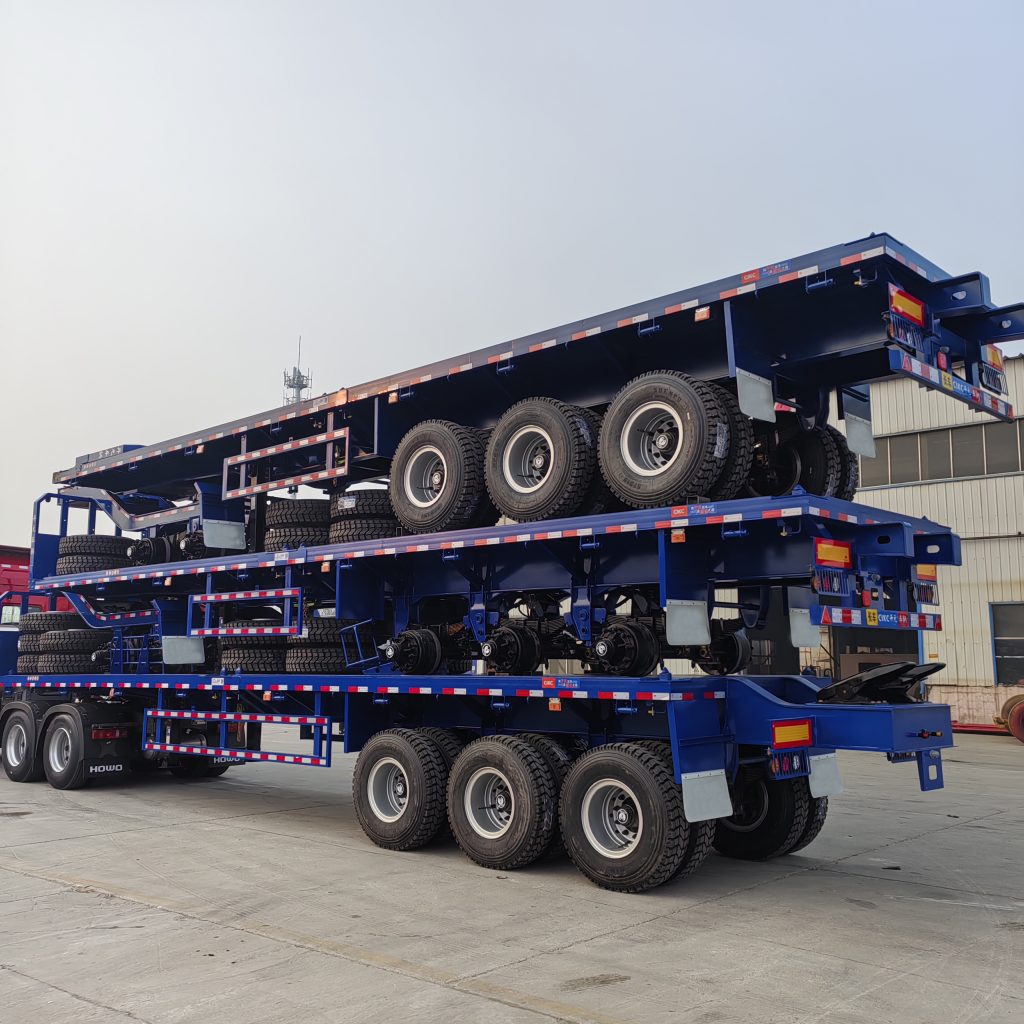
A key reason why the Flat bed Semi Trailer is widely used around the world is its adaptability to different operating environments. Unlike enclosed trailers, flatbed trailers are designed to handle diverse cargo types and challenging road conditions with minimal structural modification.
In regions such as Africa, West Asia, Southeast Asia, and South America, transportation conditions can vary dramatically—from modern highways to rough rural roads. A well-designed semi flat bed trailer is built to remain stable, durable, and efficient across all these environments.
Performance on Rough and Uneven Roads
Road conditions in many developing markets are unpredictable. Potholes, uneven surfaces, and temporary construction roads place continuous stress on trailer frames.
A high-quality heavy duty flatbed trailer uses reinforced main beams and optimized load distribution to reduce structural fatigue. This allows the trailer to maintain stability even when:
Transporting heavy machinery
Operating on unpaved or damaged roads
Handling frequent start-stop cycles
For fleet owners, this translates into fewer breakdowns, lower maintenance frequency, and longer service life.
Efficiency in Long-Distance Transportation
Long-distance transport is common in South America and West Africa, where goods often travel hundreds or even thousands of kilometers between ports, industrial zones, and inland markets.
The open deck design of a flatbed equipment trailer allows:
Faster loading and unloading
Flexible cargo arrangement
Reduced downtime at logistics hubs
Compared with enclosed trailers, a semi trailer flatbed helps operators improve turnaround efficiency, especially when handling oversized or irregular cargo.
Common Cargo Types Transported by semi trailer flatbed
Understanding what a shipping container flatbed trailer can realistically carry helps buyers make better purchasing decisions.
Construction and Infrastructure Materials
Semi trailer flatbed are heavily used in construction projects to transport:
Steel beams and rebar
Cement pallets
Precast concrete components
Scaffolding and formwork systems
Their open structure allows cranes and forklifts to load materials directly from multiple directions, which is critical on busy construction sites.
Industrial Equipment and Machinery
Industrial equipment often has irregular shapes and high weight, making flatbed trailers the preferred solution.
Typical machinery transported includes:
Excavators and loaders
Generators and compressors
Agricultural machinery
Factory production equipment
A best flatbed trailer is designed with sufficient load-bearing capacity and multiple lashing points to secure such equipment safely during transit.
Container and Project Cargo Transport
Although containers are often associated with container chassis, semi trailer flatbed are frequently used for:
Non-standard containers
Overlength or overwidth cargo
Project cargo requiring flexible positioning
With optional container locks, a flatbed equipment trailer can handle container transport while still remaining versatile for other cargo types.
Operational Advantages for Fleet Owners and Logistics Companies
Lower Operating and Maintenance Costs
Compared with more complex trailer types, semi trailer flatbed have a relatively simple structure. This simplicity results in:
Easier inspection
Faster repairs
Lower spare parts costs
For operators in regions with limited maintenance infrastructure, this is a significant advantage.
Higher Resale Value
A well-maintained flatbed semi truck trailer typically retains higher resale value than specialized trailers. Because flatbed trailers can serve multiple industries, there is always demand in the second-hand market.
This makes flatbed semi trailers a safer long-term investment, especially for growing logistics businesses.
Why semi trailer flatbed Are Ideal for Emerging Markets
Flexibility for Changing Transport Needs
In emerging markets, transport requirements can change rapidly. One month a trailer may be used for construction materials, and the next month for agricultural equipment.
A semi trailer flatbed for sale offers unmatched flexibility, allowing operators to adapt quickly without purchasing multiple specialized trailers.
Compatibility with Local Regulations
Most flatbed semi trailers can be customized to meet local regulations related to:
Axle load limits
Overall trailer length
Road safety standards
This makes them suitable for cross-border transport within Africa, Southeast Asia, and South America.
Key Points Buyers Often Overlook When Choosing a semi trailer flatbed
Not All semi trailer flatbed Are the Same
While many flatbed trailers look similar at first glance, differences in:
Steel quality
Welding standards
Axle brand and suspension system
can significantly affect performance and lifespan. Choosing a reliable flatbed semi trailer manufacturer is just as important as selecting the trailer type itself.
Focus on Total Cost of Ownership
A cheaper trailer may reduce upfront investment but increase long-term costs due to repairs, downtime, and early replacement. Experienced buyers evaluate:
Purchase price
Maintenance cost
Service life
Operational efficiency
to determine the true value of a flatbed equipment trailer.
Final Insights on Flatbed Semi Trailer Features and Benefits
The Flatbed Semi Trailer remains one of the most practical and widely used transport solutions worldwide. Its strong structure, open design, and adaptability make it suitable for a wide range of industries and operating environments.
For transport companies working in Africa, West Asia, Southeast Asia, and South America, investing in a well-built flatbed equipment trailer is not just a purchase—it is a long-term operational strategy.
FAQ
Q1: Is a flat bed semi trailer suitable for container transport?
Yes. With proper twist locks, it is widely used for container hauling.
Q2: How long does a semi trailer flatbed usually last?
With proper maintenance, it can serve reliably for many years, even under heavy use.
Q3: What is the difference between a flatbed and a sidewall trailer?
A flatbed offers more loading flexibility, while sidewalls provide additional cargo protection.
Looking for a Reliable Fsemi trailer flatbed for Sale? (CTA)
If you are comparing different semi trailer flatbed for sale, focus on structure, material quality, and manufacturer experience—not just price.
We supply flatbed semi trailers designed for export markets, with configurations proven in Africa, West Asia, Southeast Asia, and South America.
Contact us today to receive specifications, pricing, and professional support from experienced flatbed semi trailer manufacturers.