
container chassis | Price & Specs | Choose the right chassis once, and keep your loads moving without drama

Why chassis problems turn into costly delays
A container move can be perfect on paper and still go wrong in the first 10 minutes: a twist lock that won’t seat, a light that fails inspection, a tire that looks “fine” until it heats up on the highway, or a brake line that starts leaking in the worst place. These are not rare problems—this is what intermodal work looks like when the configuration is slightly off, or the build details are not suited for the environment.
The real cost is never the part itself. The real cost is the chain reaction:
- Gate delay → missed appointment window → storage/demurrage risk
- Road call → tow + lost shift + missed delivery + angry customer
- Abnormal tire wear → constant replacements → rising cost per mile
- Brake/air issues → safety risk + downtime + inspection failure
- Length mismatch → dispatch rework + wasted time + reloading
- Corrosion creep → repairs become structural, not cosmetic
A good chassis doesn’t feel “fancy.” It feels boring—because it keeps doing the job without creating extra phone calls.
This article is written as a practical field guide: what to choose, which specs to focus on, and how to set up a configuration that stays reliable under real cycle conditions.
The three models to promote
Instead of listing products like a catalog, it works better to position each model as a solution to a specific operational pain: heavy loads and stability, lightweight efficiency, or frequent 45ft work. Below are clean, professional sections that can be reused on a blog page and still feel like real engineering-plus-operations writing.
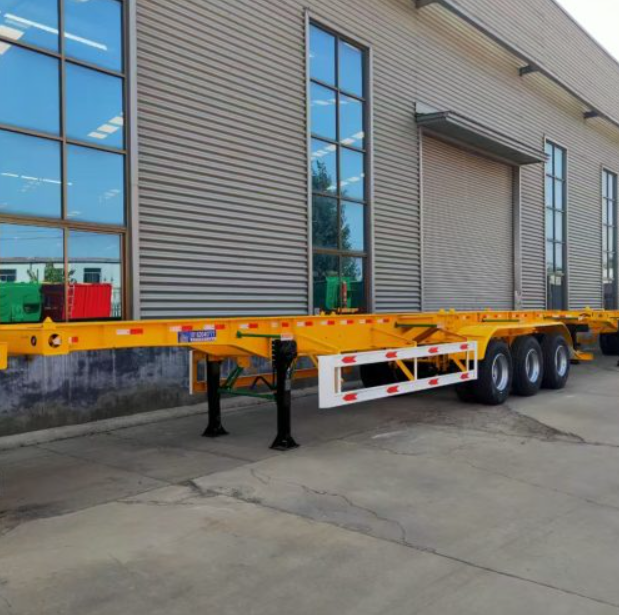
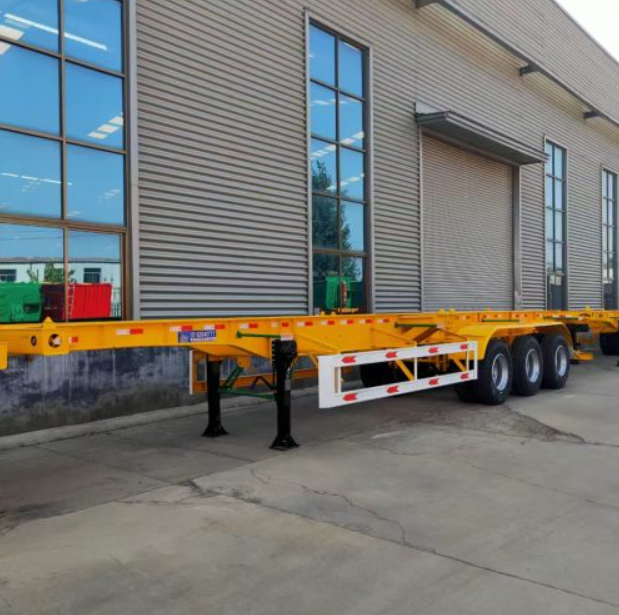
1) 40ft Tri-Axle Gooseneck Chassis (stable, heavy-duty workhorse)
This configuration is built for daily container cycles where stability and tolerance to rough handling matter. Tri-axle layouts are commonly chosen for heavier operations, compliance needs, or routes that punish lightweight setups. The gooseneck structure is familiar in many markets and pairs naturally with port/yard workflows.
Quick commercial details (site-consistent):
- Reference price shown: $8,000
- Typical price range: $8,000–$12,000
- Typical delivery: 7–15 days
- Rated loading capacity: 30–60 tons
- Warranty statement: 5 years
- Material positioning: High-strength Bao-steel
- Applications: 20ft / 40ft containers, ISO tank
Why it works in harsh cycles (problem-solving angle):
- Tri-axle support spreads load and improves stability when conditions are not gentle
- A heavier-duty stance helps reduce the “pulling weird” feeling that drivers complain about when frames or running gear are marginal
- With the right component spec (tires, brakes, air lines), this setup stays predictable under frequent terminal turns and uneven pavement
Image placement (add your product photos later):
2) Skeletal Container Trailer (lightweight, efficient, clean structure)
Skeletal designs focus on carrying the container efficiently—less unnecessary structure, better weight discipline, and a clean frame layout that can be easier to inspect. This option is attractive when the goal is straightforward: dependable container transport with a lighter platform and a simple visual inspection path.
Quick commercial details (site-consistent):
- Reference price shown: $7,500
- Typical price range stated: $8,000–$12,000
- Typical delivery: 7–15 days
- Rated loading capacity: 30–60 tons
- Warranty statement: 5 years
- Material positioning: High-strength Bao-steel
- Applications: 20ft / 40ft containers, ISO tank
Why it works (problem-solving angle):
- Lower tare weight positioning can help payload math in many operating conditions
- Simple structure can reduce “hidden problems” during routine checks
- A well-built skeletal frame is often easier to keep clean, which matters because dirt and corrosion accelerate small failures (locks, wiring rub points, airlines)
Image placement:

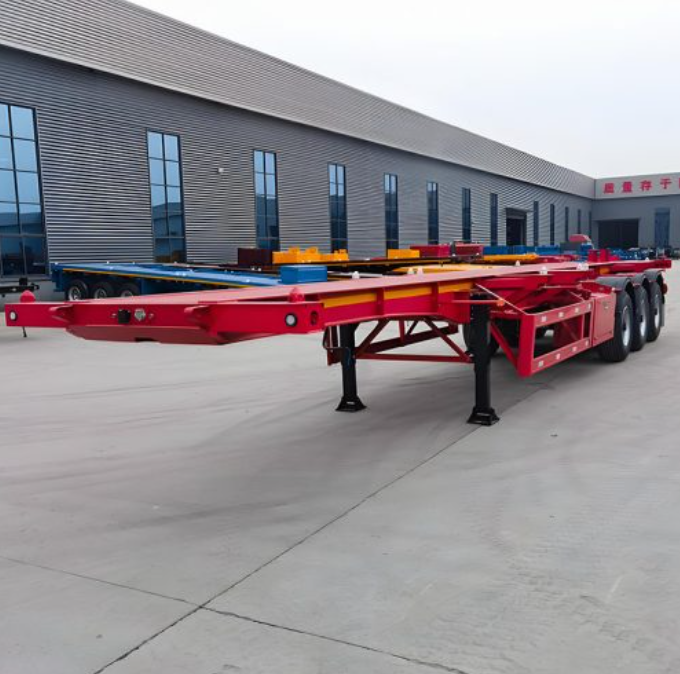
3) 45ft Chassis (for frequent 45ft operations and dispatch clarity)
If 45ft containers show up regularly, using a dedicated 45ft setup removes a lot of daily friction. The operational gain is simple: fewer mismatches, less re-planning, fewer “almost works” situations that waste time and create risk.
Quick commercial details (site-consistent):
- Reference price shown: $8,000
- Typical price range: $7,500–$12,000
- Typical delivery: 7–15 days
- Rated loading capacity: 30–60 tons
- Warranty statement: 5 years
- Material positioning: High-strength Bao-steel
Why it works (problem-solving angle):
- Correct length fit reduces dispatch stress and terminal issues
- Fewer compromises in container positioning improves stability and reduces abnormal wear
- Dedicated length support is especially valuable when operations are busy and time windows are tight
Image placement:
Types & configurations that actually matter on the road
A chassis can be described in many ways, but only a few configuration choices truly decide whether it runs smoothly or becomes a weekly problem.
Fixed length vs. adjustable/extendable
- Fixed length: fewer moving parts, fewer wear points, often easier maintenance
- Adjustable/extendable: more flexibility across container sizes, but requires stricter lubrication and inspection discipline
The more moving mechanisms present, the more important it becomes to build a routine around cleaning, lubrication, and pin/lock checks. Flexibility without maintenance becomes downtime.
Axle count: 2 vs. 3
- Two-axle: lighter, fewer tires and brakes, lower maintenance load
- Three-axle: stability and compliance flexibility; more components but can reduce operational risk in heavier conditions
Three axles do not automatically mean “better.” Three axles mean “built for the route reality,” when that reality includes heavier loads, stricter compliance, or rougher operating surfaces.
Frame style: gooseneck vs. skeletal
- Gooseneck style often signals heavy-duty intent and familiar handling behavior
- Skeletal style often emphasizes weight efficiency and clean structure
Either can be excellent. The deciding factor is not the label—it’s the details: lock assemblies, weld quality, harness routing, brake/air component choices, and protection against corrosion.
Key specs that decide uptime (not brochure specs)
Specs that look impressive are not always the ones that keep equipment moving. The most important specs are the ones connected to frequent failures.
1) Twist lock design and alignment quality
Twist lock problems cause immediate operational pain: no lock engagement, slow loading, repeated re-tries, and inspection failure. Look for:
- Robust lock housings and clean welding around lock zones
- Access for cleaning and lubrication
- Consistent alignment (misalignment turns into “mystery” issues under time pressure)
2) Wiring harness routing and protection
Lighting issues are common because harnesses are exposed to vibration, impact, and rubbing. The difference between “fine in the yard” and “fails on the road” is often:
- Good routing (no sharp edges, no pinch points)
- Protected runs and secure mounting points
- Reliable grounding approach
3) Brake and airline sealing strategy
Air leaks, corroded fittings, and weak sealing create recurring downtime. Durable fittings and sensible routing reduce failures dramatically—especially in coastal/humid areas.
4) Running gear geometry and tire discipline
A chassis that eats tires is a chassis that quietly destroys profit. Key factors:
- Alignment stability under load
- Suspension integrity (bushings, mounts, torque discipline)
- Tire spec matched to real loads, not optimistic assumptions
5) Corrosion protection (environment matters more than most admit)
Ports and coastal routes can turn “normal paint” into an expensive story. When salt, humidity, and frequent wash cycles exist, protection is not cosmetic—it is structural insurance.
Typical specification ranges (table)
Use this as a practical reference for common quoting conversations. Values vary by region and build, but these ranges help keep specs realistic.
| Item | Typical / Common Range | Why it matters |
|---|---|---|
| Supported container lengths | 20ft / 40ft / 45ft (by model) | Prevents length mismatch and operational rework |
| Axle configuration | 2-axle or 3-axle | Compliance, stability, maintenance workload |
| Rated load capacity (marketing) | ~30–60 tons (by spec) | Quick filtering for heavy vs. light duty |
| Delivery period (typical claim) | ~7–15 days (stock/production dependent) | Planning reliability |
| Warranty statement | Often 1–5 years (policy dependent) | Risk control and confidence |
| Twist lock positions | 4/8 positions depending on layout | Container compatibility and speed |
| Brake type | Drum common; ABS optional/required by market | Safety and inspection pass rate |
| Suspension | Mechanical common; air options in some markets | Ride quality and tire behavior |
| Electrical | 12V typical; sealed connectors preferred | Lighting uptime |
| Protection | Paint to upgraded anti-corrosion packages | Lifecycle cost in harsh environments |
Price & lead time: what changes the quotation
A price number without context creates weak inquiries. A price explanation creates serious inquiries.
What typically moves the price
- Axle count and component grade: more axles and stronger components raise cost but can reduce compliance risk and downtime
- Tires/wheels choice: cheap tires can erase savings quickly; correct spec is a lifecycle decision
- Brake system level: better sealing, better fittings, and stable component standards often pay back in fewer failures
- Protection/coating: higher protection matters in coastal/rainy markets
- Build details: weld consistency, lock assembly accuracy, harness protection—small details that decide whether it runs quietly or causes weekly issues
Why “7–15 days” can be true (and still needs a note)
Delivery depends on stock status, options selection, and shipping schedules. The professional way to present it is:
- “Typical delivery 7–15 days for common specs; options and shipping lane can adjust the schedule.”
That sounds real because it is real.
How to choose the right configuration (practical checklist)
This checklist is designed to stop the most common mistake: choosing based on a single number (price or capacity) instead of choosing based on route reality.
Step 1: Container plan
- Main lengths used: 20ft / 40ft / 45ft
- Frequency of ISO tank moves (if applicable)
- Typical gross container weight range (normal + peak)
Step 2: Route and operating environment
- Country/region of operation
- Road and axle requirements (local compliance reality)
- Terminal/yard conditions (smooth pavement vs. rough surfaces)
- Weather exposure: coastal salt air, heavy rain, winter road salt
Step 3: Tractor compatibility
- Fifth wheel height range
- Typical tractors used (standardizing reduces mismatch problems)
- Any special coupling constraints
Step 4: Uptime priorities
- Cycle intensity: occasional vs. high frequency
- Maintenance capability: in-house vs. third-party workshops
- Preferred approach: simplest fixed setup vs. flexible adjustable setup
Fast decision logic (simple and honest)
- Frequent heavy operations + stability priority → 40ft tri-axle gooseneck style
- Lightweight efficiency focus for 20/40ft work → skeletal structure
- Regular 45ft work and dispatch clarity → dedicated 45ft setup
Options that prevent the most common failures
A few options deliver outsized value because they attack the failure modes directly.
1) Lock system durability + service access
Locks should be easy to clean and lubricate. If locks are hard to service, they become neglected, and neglected locks become gate delays.
2) Harness protection
Insist on clean routing and protection at rub points. Lighting failures are “small” until they cause citations, inspection failure, or lost time.
3) Brake/airline quality and sealing
Better fittings and sensible routing reduce leaks and corrosion issues—especially in humid or coastal environments.
4) Protection package for the environment
If routes include salt air, heavy rain, or aggressive wash cycles, protection should be treated as part of structural longevity, not “paint preference.”
5) Tire spec matched to real loads
Tires should match real payload reality. Underspec tires convert into blowouts and uneven wear.
Maintenance & inspection routine (simple, realistic)
A maintenance plan that looks good on paper but never happens is useless. The best routine is short, repeatable, and tied to real failure modes.
Pre-trip (quick daily habit)
- Tires: damage, obvious low pressure, abnormal bulges
- Lights: basic function check
- Airlines: leaks, cracks, loose fittings
- Locks: quick movement check, visible damage or bending
Weekly (10–20 minutes, high payoff)
- Tire pressure check (this prevents a shocking amount of trouble)
- Harness inspection at rub points; re-secure loose runs
- Quick check for air leaks and brake adjustment indicators
Monthly (or every fixed number of trips)
- Clean and lubricate lock assemblies
- Inspect axle/suspension area for abnormal wear
- Look for cracks or paint damage around high-stress zones and touch up early
Seasonal (especially coastal/wet/winter routes)
- Wash strategy and corrosion review
- Replace corroded fittings before they become failures
- Re-check harness sealing and connector stability
The goal is not perfection. The goal is fewer surprises.
FAQ
1) Why do twist locks fail or jam so often in terminal work?
Locks fail when dirt builds up, lubrication is skipped, or alignment wears. Simple cleaning and lubrication discipline prevents most issues—assuming the lock assembly is built with sensible access and durability.
2) What causes abnormal tire wear on chassis equipment?
Misalignment, worn suspension components, uneven loading, and chronic underinflation are the top causes. Tire wear is rarely “random”; it’s usually a repeatable geometry or pressure issue.
3) When does tri-axle make more operational sense than two axles?
When routes and loads punish lighter setups—heavier operations, stability needs, or compliance realities. More axles mean more maintenance, but they can reduce risk where the work is consistently heavy.
4) Why do lighting problems keep coming back even after repairs?
Poor harness routing and weak protection create repeated rubbing, vibration fatigue, and grounding issues. Fixing the root cause often means improving routing and protection, not replacing bulbs repeatedly.
5) What information makes a quotation fast and accurate?
Destination country/port, container lengths used (20/40/45 mix), typical gross weights, preferred axle setup, tire preference, and any environment notes (coastal/wet/winter). That combination produces a spec-accurate quote instead of guesswork.
Closing
Reliable container transport is built on boring fundamentals: correct length fit, stable running gear, dependable locks, protected wiring, and a maintenance rhythm that matches real cycle conditions. When the spec matches the route, the operation becomes quieter—fewer delays, fewer repairs, fewer surprises.
For pricing, specs, and a configuration recommendation based on route and container plan, start here: container chassis