
Used Tractor Truck: Quote & Value Guide | Save vs New

In heavy transport, the smartest upgrades often look simple. A well-prepared power unit can raise uptime, control operating costs, and keep schedules steady. At the same time, replacing a fleet with brand-new equipment can lock capital into depreciation too early. Therefore, many operations evaluate refurbished heavy-duty trucks as a practical middle path. In that context, a used tractor truck can support hauling plans with strong pulling ability, proven configurations, and flexible trailer compatibility.
Definition: In this guide, “tractor truck” (also called a truck tractor or tractor head) refers to the powered vehicle that pulls a semi-trailer.
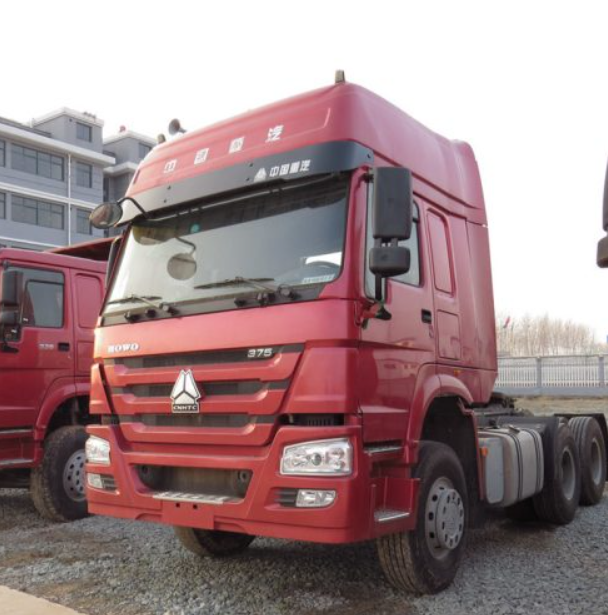
Shown here: A used tractor truck configuration suited for regional routes and long-distance pulling.
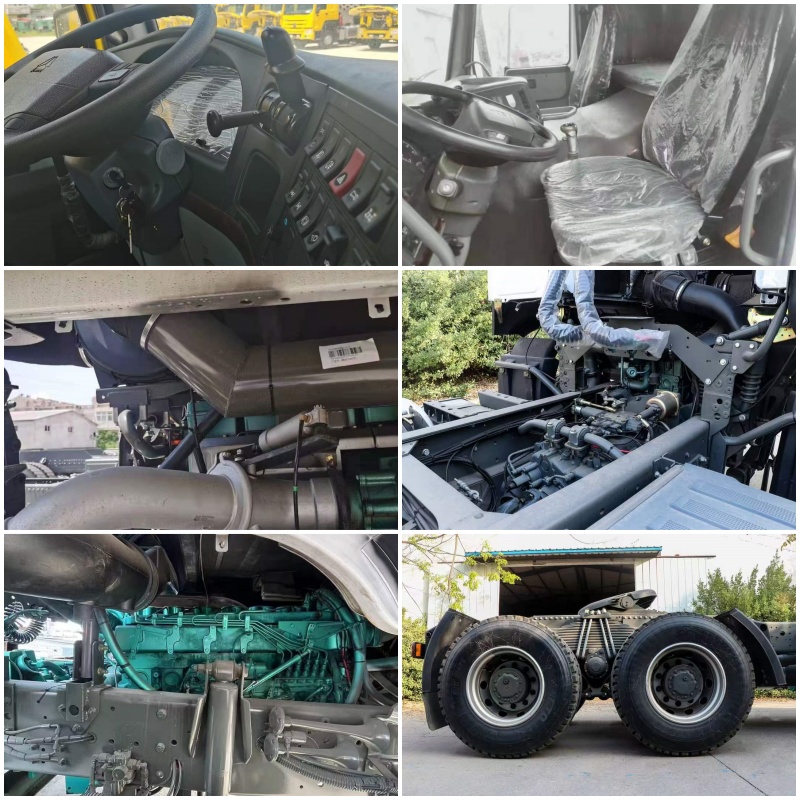
Detail views: Cab controls, interior comfort, and clear service access points.
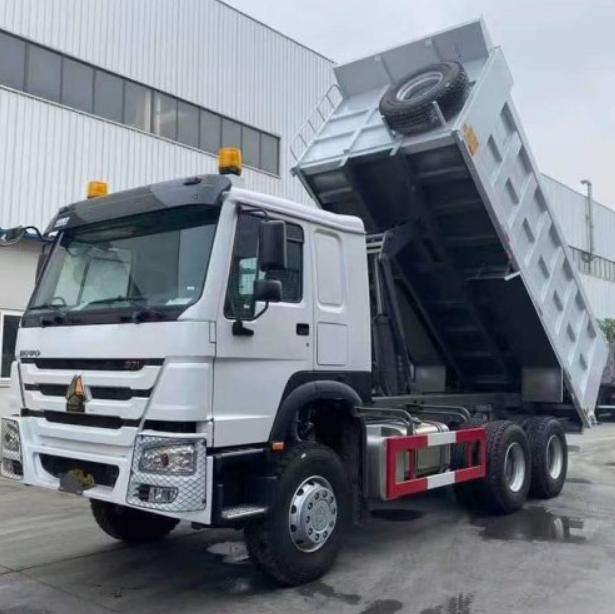
Pictured: A dump-truck format that complements material hauling on active construction sites.
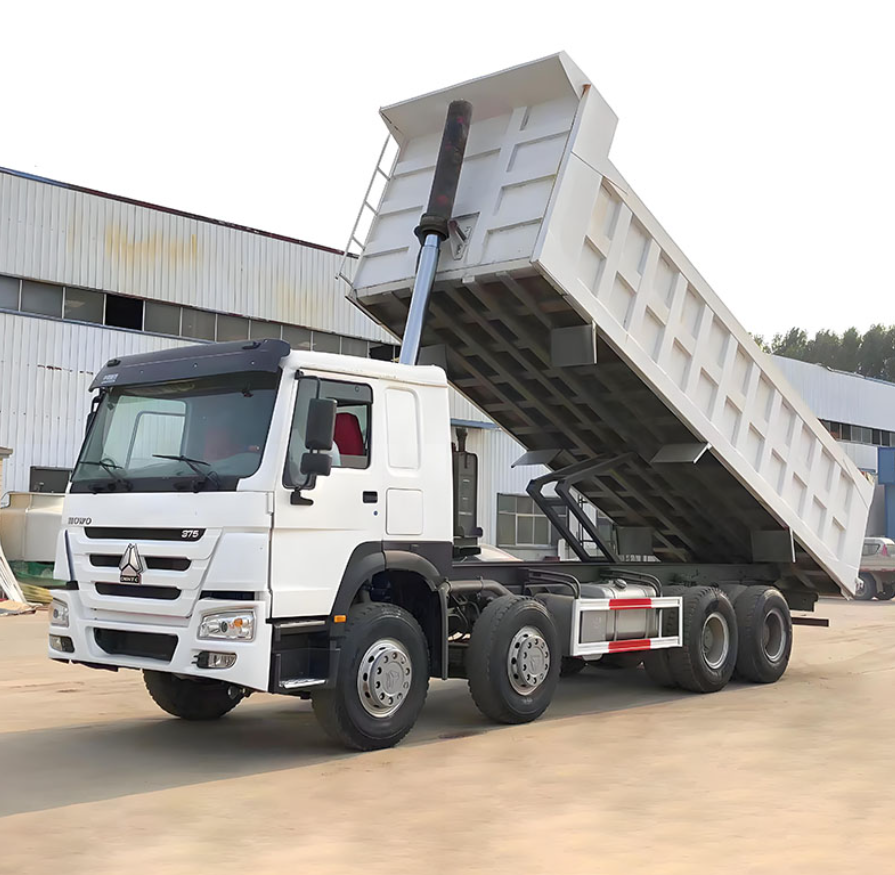
Featured: An 8×4 setup often chosen for heavier payloads and longer-duty cycles.
Why Refurbished Heavy-Duty Used Tractor Truck Deliver Outsized Value
First, cost structure matters more than sticker price. A tractor truck is an earning asset, yet it also carries fuel, tires, and maintenance costs through every kilometer. When a refurbishment program targets the right systems, operating stability improves without carrying the full depreciation curve of a new build. As a result, the return profile can look cleaner—especially for routes with predictable loads and repeatable schedules.
Next, the tractor truck platform benefits from standardization. Popular configurations have mature service procedures, widely available consumables, and familiar driveline layouts. Consequently, workshop planning becomes easier across a mixed fleet. That consistency supports faster repairs, fewer surprises, and clearer preventive intervals.
Moreover, tractor truck can scale across multiple revenue tasks. A single power unit can move containers one week, then switch to bulk or equipment moves the next. In addition, swapping trailers can match seasonal demand without changing the core truck. That flexibility is especially useful in regions where freight types change across the year.
However, value only holds when the truck matches the duty cycle. A tractor truck intended for heavy grades needs different gearing than one intended for flat highways. Likewise, a unit that works near quarries needs stronger protection against dust, vibration, and short, steep climbs. Therefore, “value” should be measured as job fit plus reliability—not as the lowest number on a price list.
Meanwhile, refurbishment can also refresh operator comfort and daily usability. A practical cab, stable HVAC, and predictable instrumentation reduce fatigue and error. Even so, comfort should never mask core mechanical issues. For that reason, the best evaluations start under the cab and along the frame.
Finally, refurbished tractor truck simplify expansion planning. A route can be added, a contract can be tested, or a season can be covered without waiting for long manufacturing lead times. As a result, fleet planners can move faster while keeping risk contained.
What “Ready-to-Work” Refurbishment Should Cover
To begin, engine health is the foundation of pulling performance. Compression, oil pressure stability, cooling behavior, and turbo response define whether power stays consistent under load. Therefore, a serious inspection focuses on measurable results—not just cosmetic cleaning. In addition, fuel-system calibration matters because it influences temperature control, smoke levels, and long-haul efficiency.
Then, drivetrain integrity determines whether torque reaches the ground smoothly. Transmission shift quality, clutch engagement, and driveline vibration can reveal wear before it becomes downtime. Furthermore, differential noise, axle temperature patterns, and seal condition indicate whether heavy pulls will stay safe over time. That is why drivetrain checks should include road behavior, not only workshop observations.
Similarly, chassis alignment protects tire life and handling. A straight frame reduces uneven wear, improves steering predictability, and keeps fifth-wheel geometry stable. Moreover, suspension components influence both ride quality and load transfer. Leaf springs, bushings, and shock condition affect braking stability and traction on uneven surfaces.
At the same time, braking systems require more than a quick glance. Air leaks, moisture management, slack-adjuster condition, and lining wear all change stopping performance. Consequently, a high-quality refurbishment verifies pressure build time, system hold, and consistent brake feel. In addition, retarder function or engine-braking integration can be important for hilly routes.
Electrical reliability also supports every shift. A stable harness, consistent lighting, and reliable charging reduce small failures that steal time. Meanwhile, clear dash indicators support safe operation at night or in rain. Therefore, refurbishment should include functional checks—not only bulb replacement.
Besides mechanics, serviceability should be part of the plan. Easy access to filters, belts, and common wear parts reduces labor time later. Moreover, standardized fasteners and intact mounting points improve workshop efficiency. In other words, a “ready-to-work” tractor truck is one that can be maintained quickly, not one that merely looks fresh.
Finally, documentation adds predictability. Service logs, inspection records, and refurbishment steps create a clearer baseline. As a result, preventive schedules can start immediately with less guessing.
Where a Tractor Truck Fits Best in Real Operations
First, long-haul freight favors steady pulling power and fuel discipline. A tractor truck that holds speed on grades reduces schedule drift and driver strain. Moreover, stable cooling behavior matters because long pulls build heat for hours, not minutes. In that setting, the best benefit is consistency: predictable power delivery, predictable service windows, and predictable parts planning.
Next, regional distribution places different stress on the truck. Stop-and-go traffic, frequent coupling, and tight yards place more wear on clutches, steer tires, and suspension joints. Therefore, a regional tractor truck benefits from strong low-speed torque, durable steering components, and clear visibility. In addition, reliable air systems reduce repeated compressor cycles that can shorten component life.
Meanwhile, port drayage and container moves emphasize maneuverability and coupling efficiency. Fifth-wheel height, air and electrical lines, and turning radius shape daily productivity. Moreover, idle time can be significant, so cooling-system stability and electrical charging performance become more important. As a result, a tractor truck built for drayage often prioritizes robustness over peak highway speed.
In construction support, the work becomes more variable. Short hauls, uneven ground, and dusty environments demand sturdy filtration, resilient suspension, and strong traction. Furthermore, site entry and exit can involve steep ramps and soft surfaces. Therefore, axle configuration and tire choice matter more than cab luxury alone.
Likewise, mining and quarry routes can punish weak points quickly. Vibrations loosen fittings, dust blocks cooling fins, and heavy loads amplify driveline stress. Consequently, reinforced chassis behavior and careful drivetrain inspection become essential. In addition, brake durability and thermal management can define whether a cycle stays safe.
For specialized logistics, a tractor truck can also support tanker work, bulk cement moves, or oversized equipment transport. In those cases, power-to-weight balance and stable braking are critical. Moreover, consistent electrical and pneumatic connections protect trailer systems—especially where auxiliary equipment is powered through the tractor truck.
Finally, mixed-use fleets gain the most from compatibility. When one tractor truck can connect to multiple trailer types, equipment utilization rises. As a result, the fleet can stay lean while still serving varied contracts.
Pairing Strategy: Matching a Tractor Truck With the Right Trailers
First, trailer pairing should start with cargo behavior. Dense loads like steel coils demand stable braking and careful axle-weight distribution. Meanwhile, bulky but lighter cargo can stress aerodynamics more than axle ratings. Therefore, pairing should consider weight, volume, and route profile together.
Next, flatbed and container platforms reward stable highway manners. A tractor truck with consistent gearing and calm steering reduces trailer sway and driver correction. Moreover, predictable power delivery helps maintain speed without frequent downshifts. That reduces driveline shock and supports smoother fuel usage over time.
For lowbed and equipment transport, torque and cooling capacity become more important. Heavy machinery creates higher rolling resistance and more grade sensitivity. In addition, coupling height and fifth-wheel capacity must match the trailer neck and load geometry. For deeper planning on equipment moves, see our lowbed trailer buying guide.
In bulk or tanker applications, stability and braking control dominate. Liquid loads can shift, which amplifies the importance of smooth acceleration and deceleration. Therefore, consistent brake response and stable suspension behavior improve safety. Moreover, steady engine-braking support can help control speed on descents without overheating service brakes.
Construction material cycles often combine tractor-trailer work with on-site support vehicles. For example, a tractor truck can haul aggregates in a dump trailer while rigid dump trucks handle short internal site moves. Consequently, fleet planners can split tasks by distance and surface type. For heavy-duty used truck options that align with this kind of work mix, reference our HOWO 371 dump truck lineup page.
Meanwhile, tire strategy ties everything together. A tractor truck that regularly enters unpaved sites benefits from tread patterns that resist cuts and maintain traction. Conversely, a highway-focused tractor truck can prioritize rolling resistance and even wear. Therefore, trailer pairing should always include tire choice and pressure discipline.
Finally, gearing and axle ratios should mirror the most common route—not the rarest one. A fleet can always slow down for a steep segment, yet constant over-revving on flats wastes fuel every day. As a result, pairing the tractor truck to the dominant route profile often produces the best cost control.
Key Benefits in Daily Operations
First, time predictability is a hidden advantage. When a tractor truck starts reliably, holds temperature, and shifts cleanly, dispatch planning becomes easier. Moreover, fewer unplanned stops protect delivery windows and reduce secondary costs like towing or missed slots. In practice, that predictability often matters more than peak horsepower numbers.
Next, traction and stability protect both cargo and drivetrain. A balanced axle setup transfers power effectively without excessive wheelspin. Additionally, stable suspension behavior reduces shock loads that can damage mounts, fifth-wheel hardware, and trailer connections. Therefore, a good tractor truck is not only strong but also calm under load.
Fuel discipline is another core benefit. A properly tuned engine and a smooth driveline can reduce waste across every haul. Furthermore, consistent gearing helps the engine stay in its efficient band more often. Over a season, that can represent meaningful savings—even when fuel prices fluctuate.
Besides fuel, parts planning improves when platforms are common. Filters, brake components, and driveline service items can be stocked predictably. Consequently, downtime drops because repairs do not wait for rare parts. In addition, familiar layouts shorten diagnostic time for technicians.
Trailer versatility also increases utilization. One tractor truck can be scheduled across multiple trailer types without changing the core asset. Meanwhile, seasonal demand can be served with trailer swaps rather than expensive truck replacements. That flexibility can protect cash flow and reduce idle equipment.
Finally, refurbishment can extend working life. When wear items are renewed and key systems are verified, a tractor truck can serve multiple years with stable performance. As a result, planning cycles become smoother and replacement timing becomes more strategic.
Selection Thinking: What to Prioritize Before Requesting Quotes
First, job definition should be specific. Haul weight, route grades, average speed, and surface conditions determine the best configuration. Moreover, trailer type influences fifth-wheel height, connection needs, and brake expectations. Therefore, a strong selection process begins with duty-cycle clarity.
Next, axle configuration matters more than it first appears. A 6×4 layout often suits heavier loads and variable surfaces because it provides stronger traction and durability. Meanwhile, lighter-duty routes may prioritize efficiency and maneuverability. Consequently, selection should match traction needs and local road realities.
Then, horsepower should be treated as a range rather than a single target. Moderate power can be ideal for flat highways and predictable loads. However, steep grades and heavy combinations benefit from higher torque and stronger cooling reserves. As a result, engine choice should reflect grade frequency—not only maximum weight.
Transmission choice also shapes daily feel. Manual gearboxes reward predictable engagement and robust serviceability. In contrast, automated manuals can reduce shift fatigue and support consistent shift logic when properly maintained. Therefore, the best choice depends on route variability, technician familiarity, and parts support.
Chassis and frame checks should never be skipped. A straight frame supports tire life, coupling alignment, and stable handling. Moreover, visible repairs or corrosion patterns can signal past overload or harsh environments. Consequently, inspection should include frame rails, crossmembers, and mounting points.
In addition, braking and air systems deserve careful attention. Air leaks, uneven braking feel, or slow pressure build can become immediate downtime. Meanwhile, moisture control in the air system protects valves and reduces freezing risk in colder areas. Therefore, brake readiness should be verified with functional checks and consistent measurements.
Electrical condition completes the reliability picture. A stable alternator output, clean grounds, and intact harness routing reduce intermittent faults. Furthermore, lighting, indicators, and instrumentation support safer night work. As a result, electrical checks should be practical and thorough.
Finally, plan support items early. Spare filters, belts, and common sensors reduce the impact of routine wear. Additionally, tire strategy and alignment discipline should be set from day one. That preparation makes the first months smoother and lowers the chance of avoidable failures.
How Dump Trucks Complement Used Tractor Truck Fleets on Work-Heavy Routes
First, not every job should be solved with a tractor truck and trailer. On certain sites, rigid dump trucks move material more efficiently because they can tip quickly and maneuver in tight zones. Moreover, they often handle rough internal roads better than long trailer combinations. Therefore, mixed fleets can reduce cycle time by assigning the right vehicle to each segment.
Next, tractor truck shine when distance increases. A tractor truck and dump trailer can move higher volume between pit and plant, or between port and inland terminal. Meanwhile, rigid dump trucks can handle the last-mile work inside the site boundary. Consequently, pairing tractor truck with dump units can create a smoother flow across the whole logistics chain.
Dumping work also introduces hydraulic considerations. Cylinder stability, pump behavior, and bed alignment influence safety during tipping. In addition, tire stance and suspension balance matter because tipping shifts the center of gravity rapidly. For that reason, dump trucks selected for site work should emphasize stability and structural health.
Furthermore, maintenance planning benefits from role separation. Tractor truck focused on road miles can follow predictable highway service intervals. Dump units working on rough sites can follow more frequent checks for suspension, hydraulic seals, and chassis wear. As a result, each segment can be maintained according to its real stress pattern.
Finally, this complement approach supports seasonal flexibility. When a construction season peaks, dump cycles can increase while tractor truck focus on longer repositioning moves. Conversely, during slower site periods, tractor truck can shift to freight tasks with different trailers. Therefore, mixed fleets can stay productive across changing demand.
Common Questions and Practical Answers
What makes a refurbished tractor truck “good enough”?
First, core systems must test well: engine health, drivetrain behavior, and braking performance. In addition, frame alignment and suspension integrity should support stable handling under load. Therefore, “good enough” means verified function—not only clean paint.
Which configuration fits mixed highway and site access routes?
Often, a traction-focused layout works best when surfaces vary. Meanwhile, tire choice and suspension health can matter as much as axle count. As a result, configuration should prioritize stability on the worst segments—not only the easiest ones.
How important is the cooling system in a heavy-duty tractor truck?
It is critical, especially for long grades and hot climates. Moreover, weak cooling can force slower speeds and raise engine wear. Therefore, radiator condition, fan drive, and coolant stability deserve close attention.
Does higher horsepower always improve productivity?
Not always, because route profile and gearing matter. Additionally, excessive power without the right ratios can waste fuel and add heat. Consequently, horsepower should match grade frequency and combined weight rather than chasing the largest number.
What should be checked around the fifth wheel and coupling area?
First, mounting hardware and plate wear should be inspected. Moreover, air and electrical connections should be secure and routed correctly. Therefore, coupling readiness includes both mechanical fit and system reliability.
How can tire wear be reduced on a refurbished tractor truck?
Alignment and correct pressure make the biggest difference. In addition, consistent axle loading and calm driving behavior reduce scrub. As a result, tires last longer when setup discipline stays consistent.
Are manual transmissions still a strong option for heavy work?
Yes, because they can be durable and straightforward to service. Meanwhile, shift quality and clutch health must be verified carefully. Therefore, a manual can be excellent when inspection confirms smooth engagement.
How does a dump truck option improve construction logistics?
It speeds up short internal cycles and simplifies tipping operations. Moreover, it avoids trailer maneuvering limits in tight zones. Consequently, dump units can improve overall flow when sites are compact or rough.
What documentation helps future maintenance planning most?
Service records, refurbishment steps, and baseline inspection notes help set preventive schedules. Additionally, part numbers and known wear items improve stocking plans. Therefore, documentation reduces guesswork after delivery.
What is a sensible approach for matching a tractor truck to multiple trailer types?
Start with the heaviest and most frequent task, then confirm compatibility across the rest. Moreover, check fifth-wheel height, air-system capacity, and electrical connectors. As a result, one tractor truck can serve several trailers without repeated rework.
Summary and Next-Step Recommendations
Overall, refurbished heavy-duty used tractor truck can provide stable hauling performance when selection stays job-focused. At the same time, pairing tractor truck with the right trailers—and adding dump units when needed—creates a balanced fleet for mixed routes. Therefore, planning around duty cycle, traction needs, and service readiness tends to produce the cleanest results.
- Define the dominant duty cycle first, including route grades, surfaces, and trailer types.
- Prioritize measurable inspection outcomes, especially engine health, drivetrain smoothness, and braking consistency.
- Build a pairing plan for trailers and support units, so a used tractor truck anchors work without configuration gaps.