

Bulk Cement Trailer Buying Guide: What Real Buyers Care About Before They Place an Order

A bulk cement trailer is not simply a tank on wheels. In real transport work, it becomes part of the whole rhythm of the day: loading at the plant, moving through the road network, arriving on time, unloading cleanly, and returning without turning every trip into extra trouble for the driver or the fleet. That is why buyers who only compare price and nominal capacity often miss the part that matters most after delivery.
This guide is written for readers who want something more practical and more honest. Instead of piling too many parameters into one place, it focuses on what ownership actually feels like, how to judge a trailer before buying, what makes one unit easier to live with than another, and how to choose a model that still feels right after months of daily use. If you want to compare available configurations first, you can browse the bulk cement trailer range here.

Why this trailer matters in real daily transport
A bulk cement trailer earns its value in ordinary working moments, not in marketing language. It matters when a tractor reaches the plant before sunrise and the loading queue is already moving. It matters when a driver finishes a long road section and still has to unload calmly and efficiently at the receiving site. It matters when a fleet manager wants equipment that fits into a repeatable schedule rather than forcing people to improvise around small design weaknesses every day.
In dry bulk logistics, the trailer is not only carrying cement, fly ash, lime powder, or other powder materials. It is also carrying expectations. The plant expects faster turnover. The customer expects steady delivery. The driver expects a trailer that makes sense in real use. And the owner expects the unit to keep working well after the first excitement of purchase disappears.
The right bulk cement trailer does not merely increase transport volume. It reduces daily friction. That is usually the difference between a trailer that looks good in a listing and one that actually creates long-term value.
That is why a better buying guide should do more than explain specifications. It should help the reader picture the real scene. Dust around the loading point. The pressure of the morning schedule. The driver stepping up for a quick inspection. The receiving silo waiting at the other end of the route. Once you can picture those moments clearly, the buying decision becomes much more grounded.
A trailer is a working partner. When it matches the route, the cargo, the unloading setup, and the people using it, the whole business starts running with less tension.
What serious buyers are really trying to solve
Serious buyers are rarely just buying steel. They are trying to solve a daily operating problem. Some need cleaner plant-to-silo transport because bagged material is too slow and messy. Some want smoother unloading because delays at receiving points are breaking the day’s rhythm. Some are expanding a fleet and need a trailer that several drivers can use comfortably, not only one particularly experienced operator. Others are trying to move away from purely price-driven purchases and toward equipment that creates fewer problems over time.
This matters because if the buyer does not clearly understand the real problem, then the wrong selling points become too persuasive. A large number sounds attractive. A strong phrase sounds convincing. But if the actual need is easier unloading, more natural inspection, more suitable route fit, or lower operating stress, those headline advantages lose importance very quickly.
What buyers usually care about most
- Whether the trailer will actually fit their daily routes and receiving sites
- Whether unloading feels smooth and predictable in normal work
- Whether the driver can inspect and operate it without awkward workarounds
- Whether the unit still feels like a smart purchase after the first month of use
- Whether the whole trailer seems easy to live with, not only easy to sell
Those are strong questions because they tie the product back to human use. And that is where the better buying decisions usually come from. When people ignore the human side, they often overvalue paper advantages and undervalue daily inconvenience. In real operations, convenience, access, visibility, and routine matter a great deal.
Buyers who are still comparing different layouts, axle styles, and tank directions usually benefit from reviewing a broader bulk cement trailer product collection before narrowing down a single unit. That makes the article easier to connect with real product choices instead of reading it as theory alone.
How to judge a trailer before reading the quotation
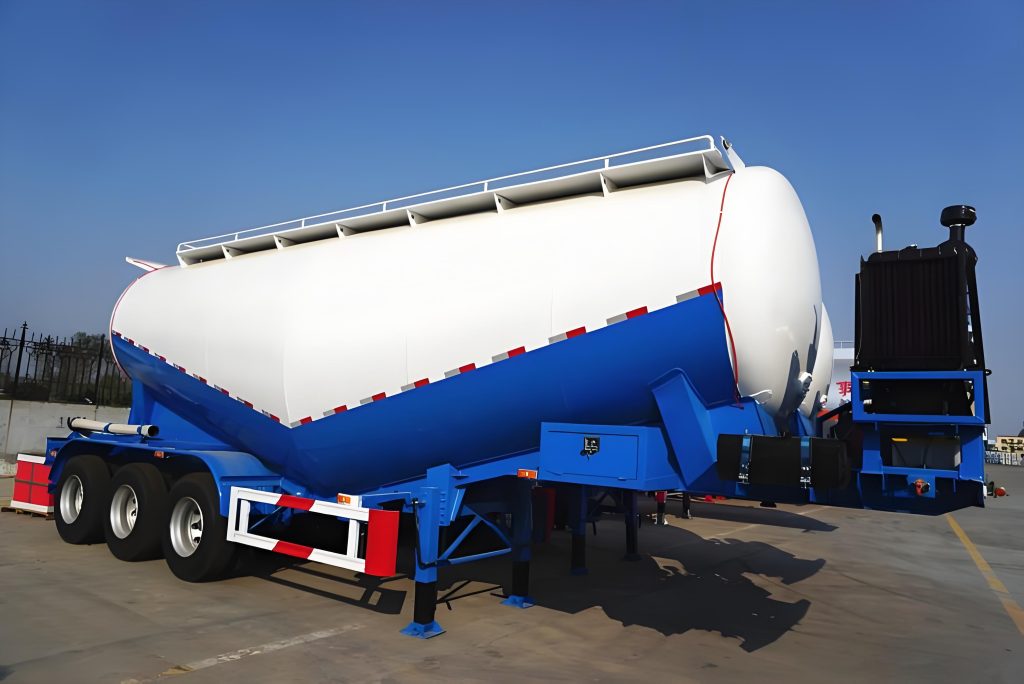
One of the most useful buying habits is to look first and calculate second. Before reading capacity, axle brand, or any quotation details, simply stand back and look at the trailer as a whole. Does it feel balanced? Does the tank sit naturally on the chassis? Does the unit look calm and work-ready, or does it already feel awkward in proportion?
This visual judgment is not shallow. It often reflects whether the trailer was designed with actual use in mind. A trailer that already looks crowded or uncomfortable from a distance often creates a similar feeling later in real operation. A unit that looks visually stable and composed tends to give buyers a stronger sense that the design logic is practical.
One useful judgment trick
Imagine the trailer not in a factory photo, but at 6:30 in the morning with a driver who is already behind schedule. If the access, hose handling, and inspection points still feel orderly in that mental picture, the design is probably much closer to real-world value.
Then move closer and look at the daily contact points. How is the ladder placed? Does the walkway feel like something a real driver could use quickly and safely? Are the piping and valve areas arranged clearly, or do they already look irritating to understand? Can you imagine someone checking this trailer in dust, in heat, or under time pressure without feeling that the layout is fighting them?
Good buyers often ask themselves a very human question: would I feel comfortable assigning my own driver to this trailer every day? That question immediately changes what you focus on. Suddenly, access matters more. Hose handling matters more. Working comfort matters more. You stop buying the idea of a trailer and start judging the lived experience of the trailer.
Capacity, unloading, and why efficiency is more than one number
Capacity matters, but not in the simplistic way many buyers first assume. A bigger figure can look attractive, especially on paper. But in real operations, usable efficiency matters far more than nominal volume. A trailer that appears larger yet unloads less smoothly, feels more awkward on route, or fits the customer’s site less naturally may not improve business performance at all.
What most owners really need is not the biggest number. They need the best overall work result. That result comes from the relationship between capacity, route conditions, legal limits, tractor match, customer access, unloading rhythm, and operator confidence. Efficiency is not one isolated metric. It is the quality of the full cycle.
A stronger trailer on paper is not automatically a better trailer in operation. The better unit is the one that keeps the whole route, unloading process, and workday feeling more controlled.
Unloading is especially important because it is where the trailer becomes an experience rather than a specification. Before purchase, buyers often talk about volume. After delivery, they talk about unloading. That is because unloading behavior shapes how professional the trailer really feels. When pressure builds smoothly and the process stays controlled, the whole unit gains trust quickly. When unloading feels awkward or inconsistent, that trust drops just as fast.
This is why the air system, hose handling, and working layout deserve real attention. The best unloading setup is not just the most technical description. It is the one that feels stable and repeatable in normal use. Operators should not need a workaround or a special trick every time they arrive at a site.
What a good bulk cement trailer should feel like in daily use
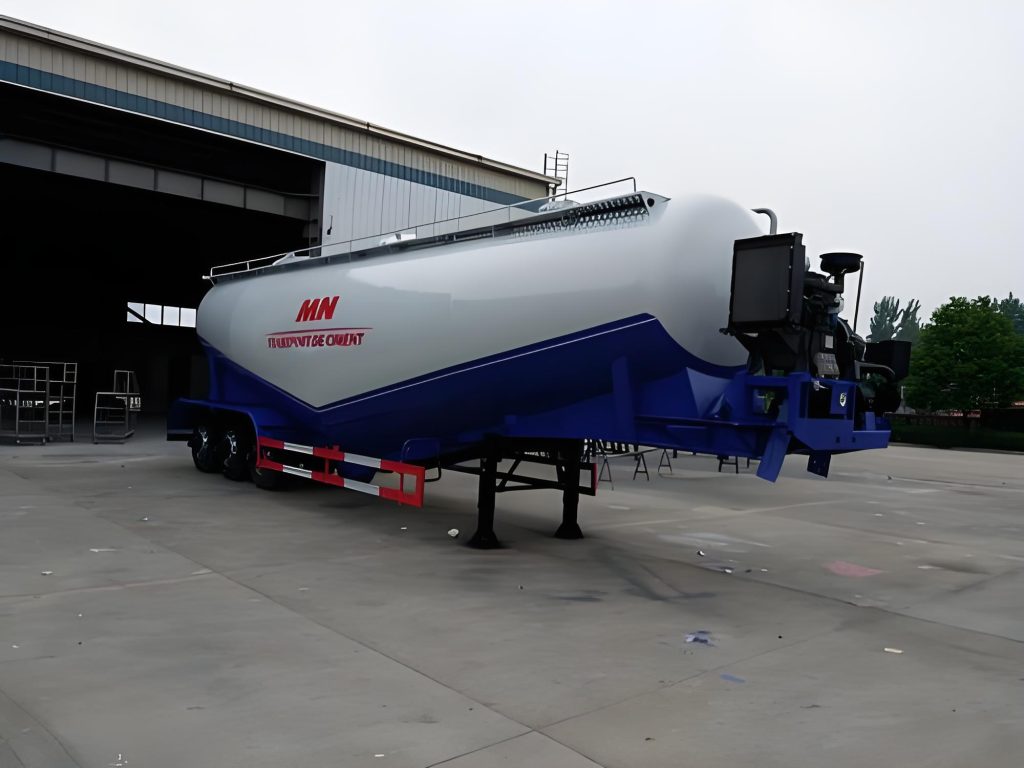
Many articles stop too early here. They explain what the trailer is, but not what it feels like to live with it. And daily feeling matters much more than many buyers first realize. A good trailer reduces tension. A poor one adds tension, even when nothing has technically failed.
Imagine a driver arriving after a long road section. The work is not finished. He still needs to position the vehicle, prepare the unloading line, monitor the process, and do a final check before leaving. If the trailer is designed well, these steps feel orderly. The working zones make sense. The access points feel natural. The trailer supports routine instead of forcing awkward adjustments.
A good trailer usually feels like this
- Inspection feels simple rather than delayed
- Unloading feels like a routine rather than a workaround
- Access points look designed for real people, not only for photos
- The driver quickly develops confidence in the unit
- Small problems are easier to notice before they grow
A well-designed unit often has a quiet clarity. It is not trying to impress through complexity. It is trying to be usable. That means service points are easier to understand. Working steps feel more natural. The driver develops a stable relationship with the trailer instead of constantly adapting to small frustrations.
For fleet managers, that kind of design matters just as much. When the trailer is easier to read and easier to use, small issues are noticed earlier and routine care becomes more realistic. Over time, that often creates more value than whatever sounded strongest in the initial quotation.
Practical buyer judgment: how to compare configurations sensibly
Comparing configurations becomes easier once you stop asking which trailer is “best” in general and start asking which trailer is best for your actual work. One buyer may need a practical mainstream setup for repeated plant deliveries. Another may need a more flexible option for varied routes and receiving points. Another may want a larger-capacity unit, but only if it still feels manageable in normal daily operation.
A sensible comparison always starts with the route. Are your roads mostly steady, or do they include rougher sections that place more stress on both trailer and driver? Then think about the receiving side. Are unloading points standardized, or is each customer slightly different? Then think about the people who will use the unit. Will the trailer stay with one experienced driver, or will several operators handle it?
Choose a trailer that feels natural for your best driver and still manageable for your average driver. If a unit only works beautifully in expert hands, it may not be the best fleet choice.
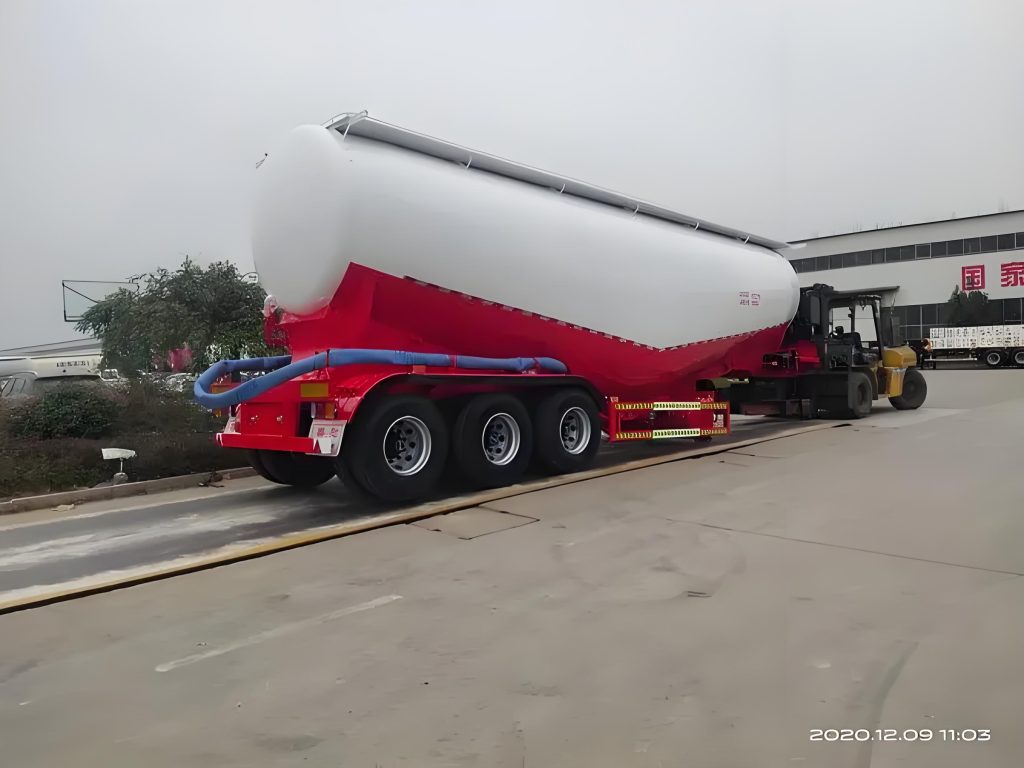
Once you compare trailers this way, the decision becomes more grounded. A 3 axle unit may feel like the best balance for many routine operations because it offers familiarity, usable capacity, and easier daily handling. A higher-capacity option may be attractive for certain routes, but only when the rest of the operation truly supports it.
At this stage, many readers do better by moving between judgment and actual product examples. A practical way to do that is to review the full bulk cement trailer category and compare which style feels closest to the routes and unloading conditions they deal with every day.
Good comparison is not about chasing perfection. It is about choosing the configuration that makes the fewest painful compromises in the areas that matter most.
Common buying mistakes that cost more later
The most common mistake is buying only by price. Price matters, of course, but a lower initial number often hides a more expensive ownership story. If the trailer is awkward to inspect, frustrating to unload, poorly matched to the route, or simply harder to live with every day, then the early saving fades very quickly.
Another common mistake is buying capacity without context. Many buyers see a larger figure and immediately think in terms of stronger output. But if local routes, site access, tractor match, or unloading conditions do not support that choice, then the advantage may stay mostly theoretical.
Mistakes that seem small at first
- Choosing by quotation price alone
- Assuming bigger capacity automatically means better business performance
- Ignoring how awkward daily inspection may feel
- Treating unloading convenience as a minor issue
- Comparing all trailers as if they serve exactly the same type of work
Buyers also sometimes underestimate the human side of operation. They assume that because drivers are experienced, layout convenience does not matter very much. In reality, it matters a lot. Equipment that respects the operator usually receives better care and produces more stable habits.
A better buying process does not ignore numbers. It simply places them inside a more honest picture of how the trailer will actually be used.
How to use the trailer more smoothly after delivery
A good guide should help not only with purchase, but also with ownership. Once the trailer is delivered, the real value comes from how smoothly the team can build habits around it. Better habits lead to steadier unloading, earlier detection of small issues, and more predictable performance over time.
The first useful habit is to build a repeatable unloading routine. Too many operators depend on memory, hurry, or personal improvisation. A stronger approach is to make the process feel standard: prepare the connection, check the visible working points, follow a stable sequence, and finish with a quick final inspection. Routines reduce confusion and make unusual behavior easier to notice.
Simple habits that improve ownership
Encourage drivers to notice changes in feel, not just obvious faults. A trailer rarely becomes problematic overnight. It usually first becomes slightly slower, slightly more awkward, or slightly less tidy. Those small changes are worth paying attention to.
Keep a realistic walk-around culture. Drivers do not need an overly complicated checklist to be useful. They need a workable rhythm that fits real life. That is usually enough to catch many avoidable problems before they grow.
It also helps not to let the unit become so dirty that new problems disappear inside the overall mess. A working trailer does not need to look decorative, but enough cleanliness should be maintained so that wear, leakage, or unusual residue remains visible.
Finally, listen closely to the driver who uses the trailer most. The best operating feedback is often modest and practical. It comes in phrases like “this area feels awkward in a hurry” or “this setup works well except at certain sites.” Those details are valuable precisely because they come from repeated contact with reality.
Why factory strength and product logic matter
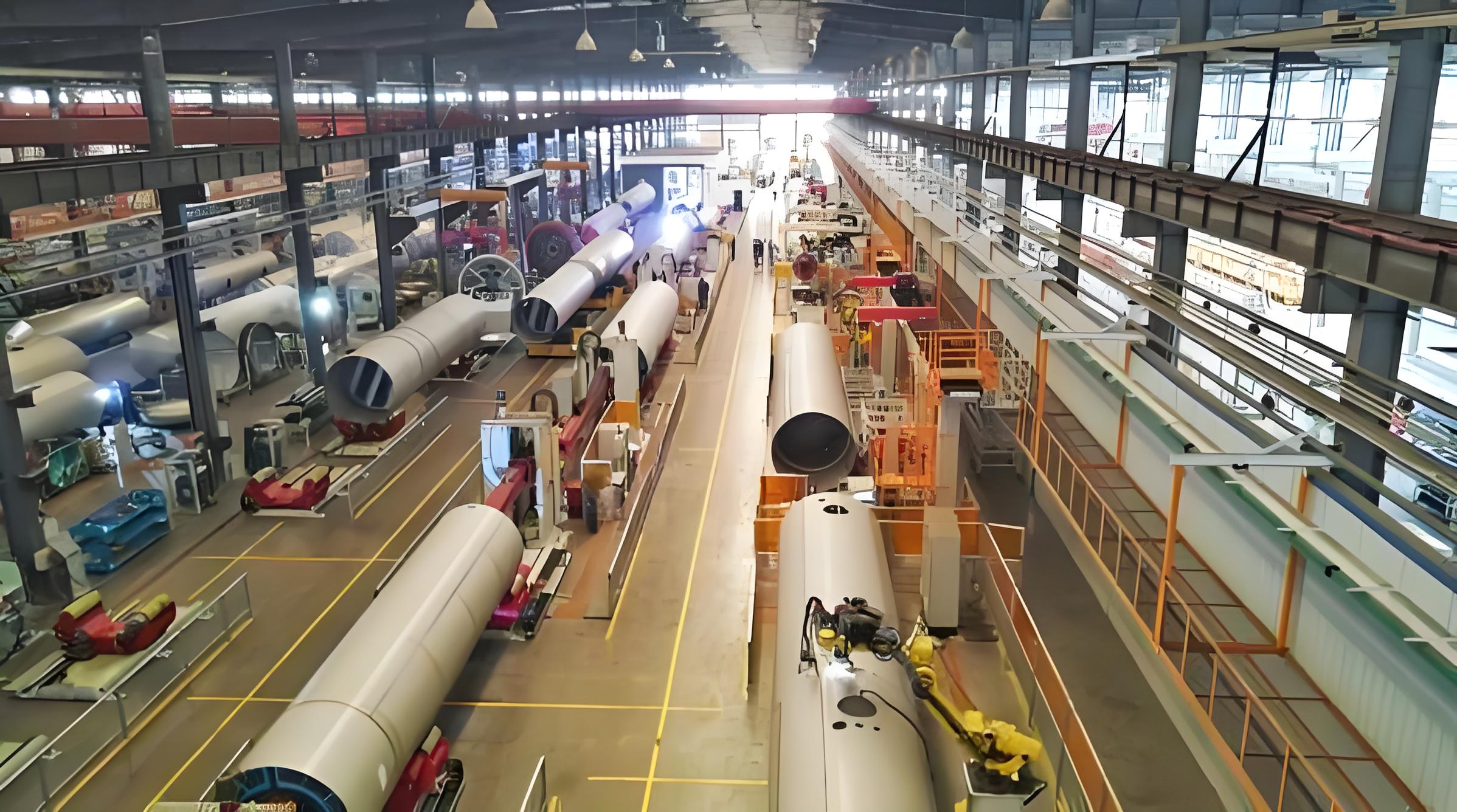
Even when two trailers look similar in a listing, the factory behind them can make a major difference over time. Manufacturing strength is not only about having machines. It is about production logic, consistency, practical experience, and whether the company seems to understand what happens to the trailer after it leaves the yard. Readers who want to evaluate production background further can also review the semi trailer manufacturer page for a broader look at factory capability and product scope.
Buyers should look for signs of seriousness. Does the manufacturer show a real product family rather than isolated sales pages? Does the workshop look organized for actual trailer production? Do the product pages feel connected to a real manufacturing system, or do they feel like unrelated listings? Can the seller explain why one configuration fits a route better than another, or are they only repeating general praise?
Buyers trust a manufacturer more when the discussion becomes clearer instead of noisier. Strong factories usually help narrow the decision down to what truly fits the route and the work, rather than simply saying yes to every possible request.
Product logic matters for the same reason. It reveals whether the company has really thought through how different trailer types serve different users. A brand that presents its product line, category pages, and manufacturer identity in a connected way usually feels more credible than one that only pushes isolated products without context.
Final thoughts
The best bulk cement trailer is rarely the one that sounds the most impressive in the shortest possible sales conversation. It is the one that feels right on a normal workday. It supports cleaner loading, calmer unloading, more natural inspection, and a steadier routine for the driver and fleet.
That is why a serious buying decision should go beyond price and parameters. Buyers should pay close attention to how the trailer feels, how well it suits their routes, how naturally it supports the people who will use it, and whether the product logic behind it appears grounded in real transport work.
If a trailer looks balanced, unloads with confidence, feels practical for daily contact, and comes from a manufacturer that shows real production strength, that already says a great deal. It means the unit is not simply prepared to be sold. It is prepared to be used.
For buyers who care not only about the trailer itself but also about workshop strength, production experience, and long-term manufacturing logic, it also makes sense to explore the Boca semi trailer manufacturer page before moving into a product-level inquiry.
Buy the trailer that will still feel like the right choice after the first month, the first busy season, and the first thousand ordinary working moments. That is usually the one that creates real value.
After reading a guide like this, most buyers should move into one product page and one manufacturer page. That keeps the reading path clear and improves conversion without overwhelming the visitor.