
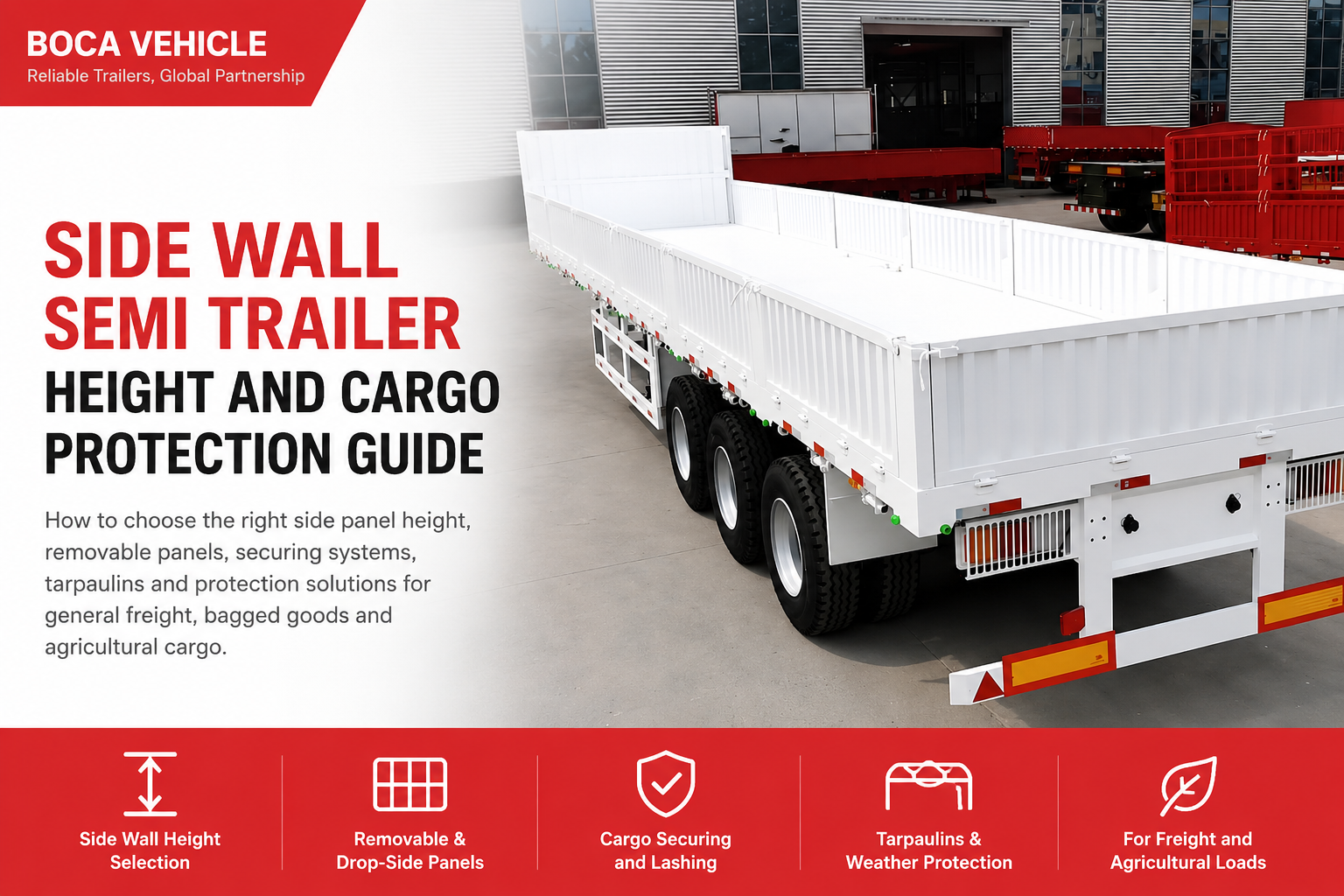
Side Wall Semi Trailer Height and Cargo Protection Guide

Choosing side wall height is not only about making the cargo body taller. The right height should match cargo type, loading equipment, stack behavior, side access, lashing points, tarpaulin support, payload, axle load and destination road limits.
This guide explains how to match side panel height, opening structure, cargo restraint, weather protection and loading access with general freight, bagged goods and agricultural cargo.
Side wall height affects much more than the amount of cargo visible above the deck. It changes forklift access, loading supervision, tarpaulin design, side pressure, inspection access and the way cargo behaves during unloading. A taller body may improve containment for bulky freight, while a lower body may support faster side loading and clearer checks around the lower cargo layers.
However, height alone does not define a suitable trailer. Packaging strength, cargo density, stacking pattern, restraint direction and route conditions also matter. Bagged fertilizer, palletized cartons and agricultural crates can require very different protection, even when their loaded height appears similar.
For that reason, side wall semi trailer height should be selected as part of a complete cargo system. Side panels, removable sections, lashing points, tarpaulin supports, ventilation and axle-load planning must work together. Final dimensions and operating limits should follow the cargo data, route conditions, destination requirements and confirmed written specification.
FOR SIDE LOADING
Check panel opening width, hinge clearance and forklift approach space.
FOR BAGGED CARGO
Check stack settlement, internal surfaces, lashing access and cover support.
FOR FARM PRODUCTS
Balance cargo volume, ventilation, weather protection and cleaning access.
FOR ROAD OPERATION
Separate cargo volume from payload, axle load and legal overall dimensions.
What Side Wall Semi Trailer Height Changes in Daily Cargo Operations
During forklift loading, panel height determines how closely the machine can approach the deck. A lower drop-side section may provide better visibility and fork access. By contrast, a tall fixed panel can force loading from the rear or above, which may not suit sites without a loading dock.
Height also changes inspection quality. When the lower cargo layers remain visible, damaged packaging, loose dunnage and slack restraints are easier to identify. Taller panels may contain more of the stack, yet they can hide movement near the deck and make intermediate checks harder.
Tarpaulin operation creates another trade-off. Higher sides can form a deeper covered cargo area, but the cover may need different supports, fastening points and drainage. Without enough support, water can collect between the walls and cargo. If the cover is too tight, it may press against fragile packaging or restrict ventilation.
Choosing Height by Cargo Type and Loading Method
The correct height starts with cargo behavior, not a standard-looking dimension. Packaging, unit weight, stack stability and unloading sequence should be reviewed before the side structure is fixed.
Palletized General Freight
Side access often matters more than maximum wall height. Drop-side or removable sections can give forklifts a clearer approach.
Confirm pallet dimensions, loading direction, strap access and the space needed beside the trailer.
Stacked Bagged Goods
A higher side can help contain the lower stack, but bags may settle and change shape during transport.
Confirm stack pattern, packaging strength, edge protection, lashing points and tarpaulin clearance.
Agricultural and Light Cargo
Greater side volume may help with light, bulky products, although volume must not be confused with payload.
Confirm ventilation, moisture sensitivity, cleaning access, cover use and seasonal cargo changes.
Avoid choosing height from cargo tonnage alone
Dense freight can reach axle or gross limits while occupying little volume. Light freight may fill a tall body before reaching the permitted mass. Cargo density, required volume and expected payload should appear as separate items in the inquiry.
Side Wall, Fence and Removable Panel Structures
Solid side walls create a defined cargo boundary and can reduce direct exposure to road spray. Fence structures provide taller containment with more airflow. Removable side panels improve loading access, although each extra post, hinge and latch adds inspection and handling work.
A drop-side structure keeps the panel attached after opening. This reduces the need for separate storage, but the lowered panel must not interfere with forklift tires, loading platforms or roadside obstacles. Fully removable panels clear the deck edge more completely, yet a safe lifting and storage process is required.
For oversized, crane-loaded or irregular freight, an open flatbed semi trailer may provide better access. However, palletized goods, bagged cargo and agricultural freight may benefit from side containment when the structure does not obstruct normal loading.
Boca Vehicle Cargo Trailer Options
Match the Structure to the Dominant Loading Task
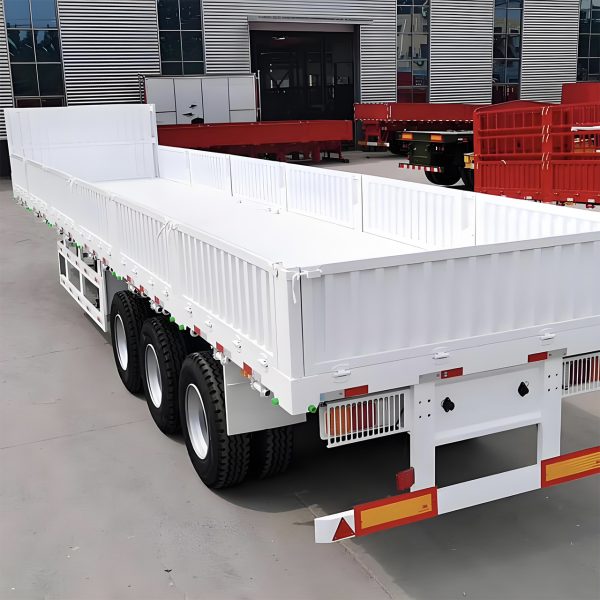
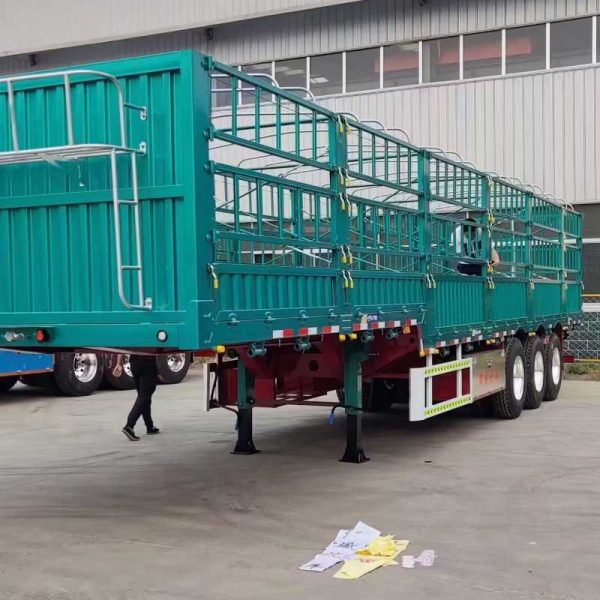
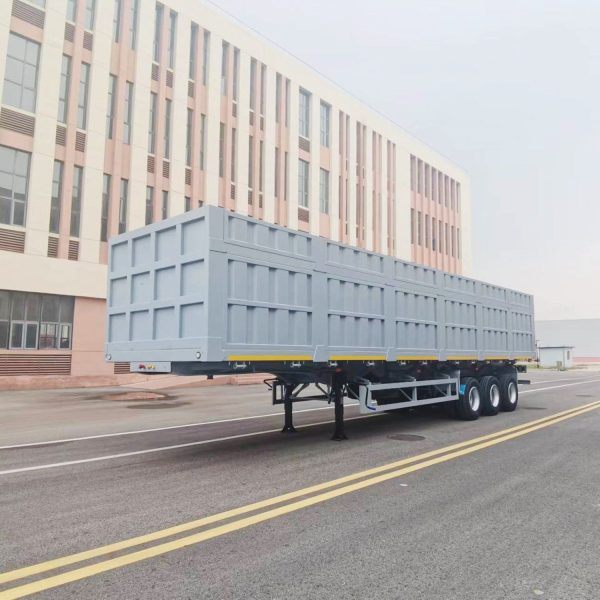
Product images show current cargo trailer structure examples. Final side height, panel layout, axle arrangement and cargo-protection details remain subject to the confirmed project specification.
Which Structure Fits Which Cargo?
The best structure is usually the one that makes normal loading easier while still giving the cargo enough side support. A fleet moving palletized freight every day may not need the tallest wall. A fleet moving bagged or bulky cargo may need more containment, better cover support and stronger cargo-contact surfaces.
Side Wall Trailer
Choose this direction when bagged goods, building materials or general freight need side containment without fully closing the cargo body.
Fence Trailer
Choose this direction when agricultural cargo, light bulky goods or ventilated loads need more open side protection.
Drop Side Trailer
Choose this direction when forklifts need repeated side access, especially during multi-stop loading or partial unloading.
Protecting Bagged Goods and Agricultural Cargo
Bagged cargo needs protection from abrasion, puncture, moisture and stack movement. Taller walls can contain the lower layers, but rough welds, exposed fasteners or protruding latches may still damage packaging. The internal cargo-contact surface should therefore be reviewed together with the external panel design.
Stack settlement is another common risk. Bags can compress after departure and create space beneath the restraints. For that reason, side walls should support a wider securing plan that includes suitable stacking, dunnage, edge protection and accessible lashing points.
Agricultural freight may also need airflow and easy cleaning. Produce crates, bagged seed, feed and general farm supplies do not share one protection method. Moisture sensitivity, dust exposure, trip duration and seasonal cargo changes should be described before selecting solid panels or an open fence structure.
Lashing Points, Tarpaulins, Weather Protection and Ventilation
Side panels provide containment, but they do not automatically secure the load. Approved lashing positions should be identified in the drawing and placed around the expected cargo rows. Hinges, fence rails and panel edges should not be treated as anchors unless the written design confirms that function.
For one official reference point, buyers can review the FMCSA cargo securement rules. Side walls, fence panels and tarpaulins can support cargo protection, but they should not replace a suitable restraint plan for the actual load, route and destination requirement.
The tarpaulin system should also match the body. Support points must prevent excessive sagging, while fastening positions should remain accessible after loading. When ventilation is necessary, the arrangement should allow controlled airflow without leaving the cargo unnecessarily exposed to road spray or rain.
Restraint
Anchor positions, strap direction, edge protection and access after panel closure.
Weather Protection
Cover support, fastening, drainage, folding and storage method.
Ventilation
Airflow requirement, cargo sensitivity and exposure to dust or road spray.
Loading and Unloading with Drop-Side or Removable Panels
A panel that opens easily on an empty trailer may become difficult to release when cargo presses against it. The loading plan should preserve clearance around locks, hinges and removable posts. It should also prevent a panel from becoming the only barrier holding an unstable stack.
Short opening sections can support partial unloading while the remaining side stays closed. However, more sections create more hardware and inspection points. Longer panels simplify the structure but may require more operating space and controlled handling.
Multi-stop delivery work needs another check. Once part of the cargo leaves the deck, the remaining load may lose side support or change axle distribution. Restraints and blocking may need adjustment before transport continues.
Payload, Axle Load and Road-Limit Considerations
Taller walls increase potential cargo volume, not permitted payload. Extra panels, fence sections, posts and cover supports may also add tare weight. The proposed structure should therefore be reviewed against cargo density, expected shipment mass and the intended tractor-trailer combination.
Cargo position affects axle and coupling loads. A concentrated stack placed too far forward or rearward can create an unsuitable distribution even when the total mass appears acceptable. Loading position should be included in the configuration discussion.
Overall dimensions and road limits vary by destination. Final height, width, axle arrangement and operating mass must follow the applicable route requirements and confirmed written specification. No general article figure should replace a project-specific check.
Quotation Checklist for Side Wall Trailer Buyers
A useful quotation request should describe the transport task rather than provide only a preferred wall height. The following information allows the side structure, loading access and cargo-protection system to be reviewed together.
Cargo and Packaging
- Cargo type and packaging form
- Unit weight and total shipment mass
- Stack pattern and expected height
- Moisture and abrasion sensitivity
- Ventilation or cleaning needs
Loading and Panels
- Side, rear or top loading
- Forklift, crane or loader access
- Preferred panel height
- Drop-side or removable sections
- Partial unloading frequency
Protection and Route
- Lashing and blocking method
- Tarpaulin and support requirement
- Tractor and coupling information
- Road and loading-site conditions
- Destination country requirements
Boca Vehicle Configuration Support
Boca Vehicle can review cargo form, loading access, preferred wall height, removable panel layout, lashing positions, tarpaulin needs and route conditions as one configuration. Final features remain subject to drawing review, written specifications and destination requirements.
Cargo photographs, packaging details, a simple load sketch, loading-site images and tractor information provide a stronger basis for discussion. The semi trailer export service page also outlines support related to configuration confirmation, inspection coordination and shipment preparation.
A preferred height should include an operating reason
Statements such as “forklift access below the first pallet layer” or “containment for stacked bags under a tarpaulin” provide more value than a height figure without context.
Extended Reading
Compare Cargo Trailer Types Before Finalizing the Side Structure
The broader cargo semi trailer buying guide covers general freight, bulk cargo, trailer layouts and wider procurement considerations.
FAQ
How should buyers choose side wall semi trailer height?
Start with cargo height, stack stability, loading direction and inspection access. Lower panels can improve side loading, while taller panels may improve containment for bulky or stacked cargo. The decision should also account for tarpaulin support, restraint access, center of gravity and destination road limits.
When are removable side panels useful?
Removable panels help when forklifts or cranes need full side access. They can also support mixed cargo operations. However, every removed section needs a safe lifting method, clear identification and a controlled storage location.
Is a side wall trailer or fence trailer better for agricultural cargo?
Solid side walls provide more shielding from spray and minor contact. Fence structures provide more airflow and taller containment for selected light cargo. Packaging, ventilation, weather exposure, cleaning and unloading method should determine the final structure.
Which cargo-securing and weather-protection details should be confirmed?
The specification should identify approved lashing points, restraint direction, corner protection, blocking and inspection access. It should also define the tarpaulin support, fastening, drainage, folding, storage and ventilation arrangement.
Configuration Inquiry
Confirm Cargo Protection Before Finalizing the Trailer
Provide the cargo type, packaging method, loading equipment, preferred panel arrangement, tarpaulin requirement, expected load, tractor information and destination country. These details allow the proposed side wall height to be reviewed together with loading access, cargo restraint and road-limit conditions.
Contact Boca Vehicle