
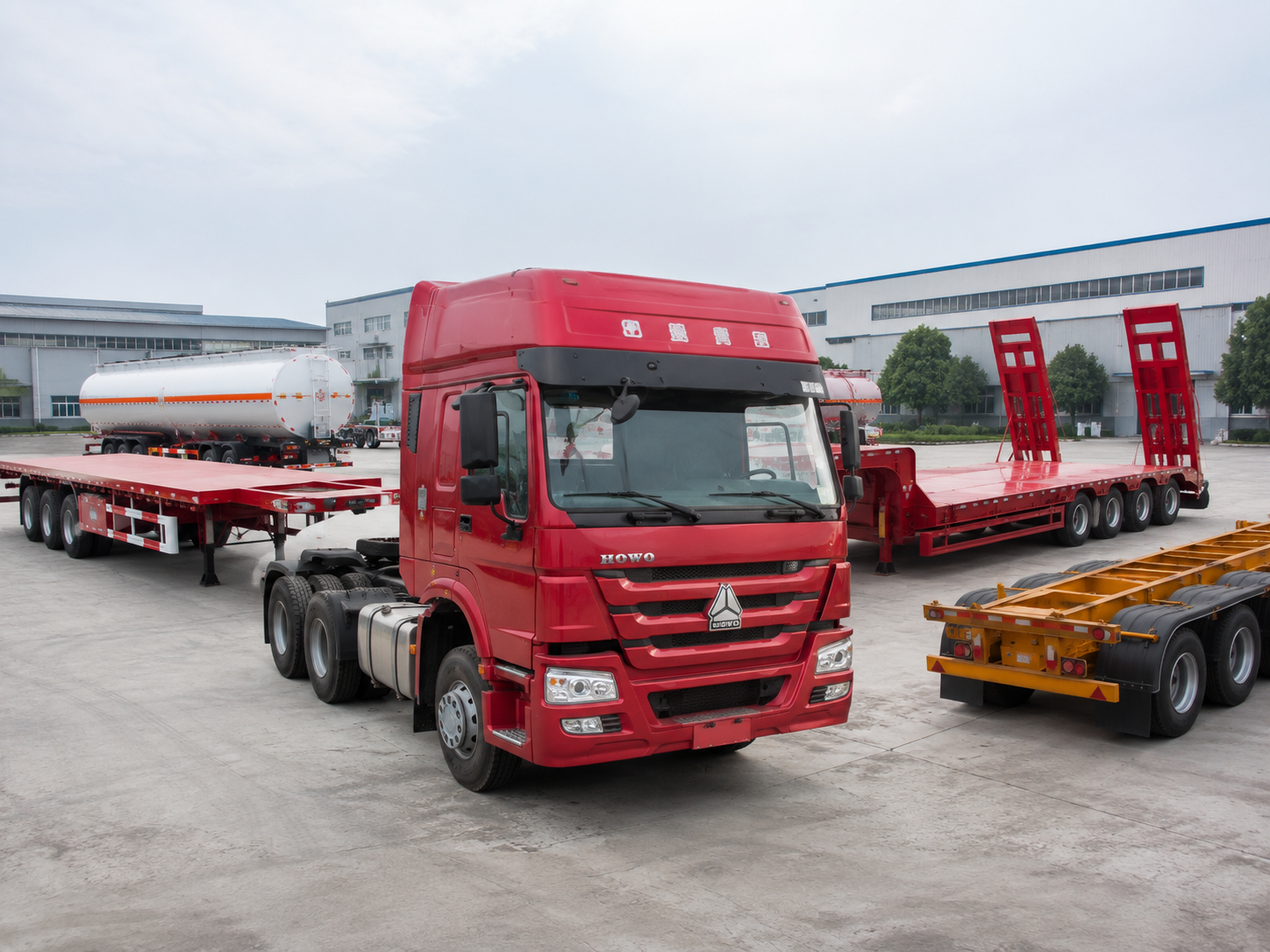
How to Match a Used Tractor Truck with Flatbed, Tanker, Lowbed and Container Chassis Trailers

A practical guide to transport duty, drivetrain demand, coupling geometry, turning clearance, service connections and quotation evidence.
A tractor head and semi-trailer operate as one transport system. Engine output alone cannot confirm whether the combination will start smoothly, maintain speed on a long climb, turn without interference or remain within applicable axle limits.
Trailer type changes how weight reaches the tractor, how much space is needed during a turn and which air, electrical or hydraulic connections are required. A flatbed carrying concentrated machinery creates different demands from a partially loaded tanker, a lowbed entering a construction site or a container chassis working inside a port. The operating cycle also changes the value of wheelbase, axle ratio, tire condition and cooling reserve. Short terminal movements do not place the same demand on the drivetrain as repeated climbs with a fully loaded trailer.
Reliable used tractor truck matching therefore starts with cargo, loaded combination weight, trailer dimensions and the regular route. Power, torque, gearing, fifth-wheel height, kingpin load, wheelbase and interface details can then be checked against the same operating task.
Start with the Combined Vehicle’s Transport Task
The main transport task should control the base tractor specification. Highway flatbed work may favor steady cruising and flexible cargo placement. Lowbed work often places more emphasis on loaded starts, low-speed control, traction and clearance around the trailer gooseneck.
Tanker operation creates a different pattern because liquid movement affects acceleration, braking and cornering. Container chassis work may involve frequent coupling, short movements and tight terminal turns. Consequently, one tractor can behave very differently across four trailer applications.
Identify the trailer used most often and the heaviest task completed as routine work.
Separate loading, departure, cruising, climbing, site access, unloading and empty return.
Define loaded starting ability, climbing behavior, target speed and turning access.
Occasional work should remain a secondary compatibility check. A tractor used mainly for lowbed transport should not be configured around rare light container movements when the heavy route creates the greater drivetrain and cooling demand.
Performance should be described in operating terms rather than one preferred horsepower figure. Useful targets include restarting on a regular slope, maintaining a practical climbing speed, reversing near loading equipment and reaching normal highway speed without excessive shifting.
Cargo, Trailer and Route Data to Collect
Descriptions such as “heavy cargo,” “standard trailer” or “mountain road” do not provide enough information. Reliable tractor trailer matching separates cargo data, trailer geometry and route conditions so every proposal follows the same operating assumptions.
Cargo data. Cargo type, dimensions, normal payload, maximum planned payload and center-of-gravity position should be recorded. Loading and unloading methods matter as well, because a crane-loaded machine, steel bundles and containerized cargo place weight on the trailer in different ways.
A concentrated machine load can create a different kingpin load from evenly distributed steel, even when total mass appears similar. Liquid cargo needs an additional note because the load can move inside the tank. Compartment use and partial loading may also alter axle distribution.
Trailer data. Trailer category does not confirm compatibility. Two lowbeds may use different coupling heights, axle groups, kingpin locations and front overhangs. Those differences can change tractor wheelbase, fifth-wheel position and loaded axle distribution.
- Trailer empty and expected loaded weight
- Axle quantity, position and suspension type
- Kingpin size, location and expected vertical load
- Coupling height under the intended condition
- Front overhang and landing-gear position
- Overall length, width and operating height
- Air-brake and electrical connection layout
- Hydraulic equipment and power source, if fitted
A dimensioned side drawing should show the kingpin relative to the trailer front. It should also identify the coupling surface, nearest front structure and landing gear. When an existing trailer is involved, direct measurements are more useful than estimates from photographs.
Route data. Regular gradients, length of major climbs and descents, altitude, road surface, target speed, daily distance and stop-start frequency should be included. A route with short paved slopes creates a different duty cycle from repeated mountain climbs or slow movement on loose ground.
Turning space at ports, terminals, filling stations and construction sites should be recorded as well. Maintenance access, tire availability and local workshop capability can also determine whether a technically suitable configuration remains practical after delivery.
Power, Torque, Gear Ratio and Gradeability Considerations
Trailer power requirement cannot be judged from payload alone. The complete combination must overcome rolling resistance, gradients, aerodynamic resistance and acceleration demand. Gearbox ratios, final drive and tire size then determine how available engine output reaches the road.
Power should follow the duty cycle. Long-distance highway work needs stable performance at cruising speed and dependable cooling under sustained load. Construction and lowbed work may place greater value on controlled starts and usable torque at lower speed. Tanker work often benefits from progressive response rather than abrupt acceleration.
Altitude and temperature can change the operating margin. Long climbs at higher elevations may reveal limitations that remain hidden during a short flat-road test. Hot weather, dust and low road speed can also place more demand on the cooling system.
Gearbox and final-drive balance. The gearbox should provide suitable ratios for starting, climbing, cruising and reversing. Large gaps between gears can make it difficult to maintain momentum. An unsuitable starting ratio can also increase clutch slipping during loaded starts.
A numerically higher final-drive ratio can increase wheel torque, although it may raise engine speed during highway travel. A numerically lower ratio may support calmer cruising but provide less low-speed pulling support. The correct balance depends on loaded weight, gradient, tire size and target speed.
Gradeability needs defined conditions. Restarting on a short paved incline differs from maintaining acceptable speed on a long mountain climb. A single gradeability statement can mislead when combination weight, road surface and required climbing speed are missing.
Traction may become the restriction before engine power on gravel, mud or loose soil. Too little drive-axle load can cause wheel slip, while excessive load may exceed axle, tire or road limits. Power, gearing, tires and axle distribution should therefore be reviewed together.
No final horsepower or axle-ratio conclusion should be accepted without loaded combination weight, road gradient, altitude, surface condition and expected operating speed.
Fifth-Wheel Height, Load and Kingpin Compatibility
The fifth wheel forms the main mechanical connection between the tractor and trailer. Its height, position, locking condition and vertical load influence trailer attitude, axle distribution, steering and clearance.
Height and trailer attitude. Fifth-wheel height should match the trailer’s intended coupling height under the planned operating condition. Tire size, suspension condition and load can affect the measured height. An unsuitable match may leave the trailer nose-high or nose-low.
That angle can change deck height, ground clearance and axle loading. The issue is especially important for lowbeds because coupling height influences loading geometry. Tanker and container chassis combinations also benefit from the intended level attitude.
Vertical load. The expected kingpin load reaches the tractor frame, suspension, drive axles and tires. Too little load can reduce traction. Excessive load can overload a component or conflict with destination axle limits.
Cargo position can shift the result. A machine placed forward on a lowbed may produce a different fifth-wheel load from the same machine positioned farther back. Container position and partial tanker loading can create similar changes.
Kingpin and locking condition. The kingpin and fifth-wheel dimensions must be compatible. Inspection should cover the kingpin, jaws, release mechanism, plate, mounting brackets and surrounding frame area. A visual fit does not prove full locking or acceptable wear.
Fifth-wheel position also changes axle loading and cab clearance. Any adjustment should remain within the documented mounting arrangement and should be checked again against the trailer front, landing gear and chassis-mounted equipment.
Wheelbase, Turning Radius and Trailer Swing Clearance
Tractor wheelbase affects maneuverability, ride, axle distribution and the space behind the cab. A shorter wheelbase may improve turning inside a port, but it can reduce clearance around a wide tanker front or lowbed gooseneck.
A longer wheelbase can create more cab-to-trailer space, although it generally requires a larger turning area. The correct choice depends on the trailer drawing and the tightest real operating site, not only highway behavior.
During a turn, the trailer front sweeps toward the cab. Meanwhile, the axle group tracks inside the tractor path and rear overhang can swing outward. Landing gear may also approach fuel tanks, mudguards, battery boxes or other chassis equipment.
A static straight-ahead photograph cannot confirm these movements. The review should compare kingpin location, front width, front overhang and expected articulation angle. Lowbed goosenecks and rounded tanker fronts may require more space than a skeletal container chassis.
Clearance checks should include uneven ground because vertical articulation changes the relative angle between both units. Air lines and electrical cables must remain long enough for the full turning range without dragging, stretching or touching tires and hot parts.
Air, Electrical and Hydraulic Connection Requirements
Mechanical coupling does not make the combination operational. Air, electrical and hydraulic interfaces must match the trailer’s actual equipment. Connector shape alone cannot confirm correct pressure behavior, voltage, circuit assignment or hydraulic duty.
Check connector type, seals, leakage, pressure buildup, hose routing and trailer brake response.
Confirm supply voltage, plug arrangement, pin functions, grounding, cable condition and required lamps.
Where fitted, match the power source, pressure, flow, oil capacity, hoses, return line and controls.
Air-system checks should include pressure recovery and leakage after coupling. Strong tractor brakes cannot compensate for weak or poorly controlled trailer brakes. Both units need coordinated application and release.
Electrical plugs may fit physically while the pin arrangement remains different. Each lighting and signal function should be tested. Any adapter should use a documented circuit arrangement rather than improvised wiring.
Hydraulic power may be needed for specialized ramps or unloading equipment, but requirements vary. Some trailers use an independent power pack. The exact system should be confirmed from the trailer specification before tractor-side equipment is selected.
Hose and cable routing should be reviewed with the tractor turned in both directions. Lines need enough movement without reaching tires, sharp frame edges or hot exhaust parts. Cold climates may also reduce hose flexibility and increase the value of protected routing.
Matching a Tractor to Flatbed, Tanker, Lowbed and Container Chassis Work
Each trailer type changes load distribution, low-speed demand, braking behavior, turning space and connection needs. The following comparison identifies the main decisions without turning a trailer category into a fixed tractor specification.
Product and Planning Resources
Compare the Tractor, Trailer and Condition ReviewEach complete card is clickable. The image and visible red button open the same confirmed Boca Vehicle page.
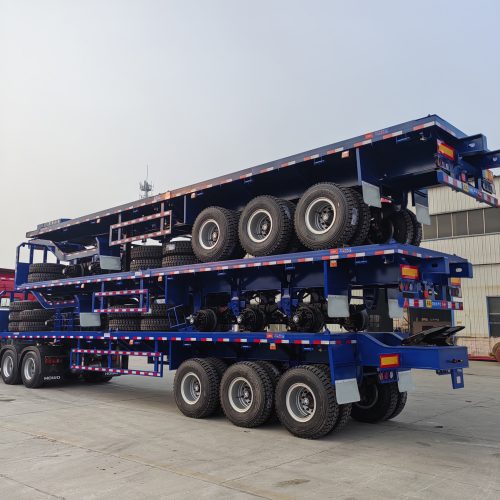
Flatbed application. Flatbed cargo may include steel, timber, machinery, pipes, pallets or containers. Each loading position changes kingpin and trailer axle loads. Several realistic arrangements should be reviewed instead of one ideal distribution.
A concentrated load near the front can increase tractor rear-axle demand. A rearward position may reduce drive-axle traction and increase trailer axle load. The selected gearing should also balance loaded site movement with regular highway travel.
Tanker application. A tractor for tanker trailer work should support predictable acceleration and coordinated braking. Liquid movement can influence stability during cornering and lane changes. Smooth driveline response often matters more than aggressive acceleration.
Partial loading deserves separate attention because compartment use can alter axle distribution. Terminal layout also matters. Fixed loading lanes, curbs and discharge equipment may place additional value on low-speed steering, reversing control and cab-to-trailer clearance.
Lowbed application. A tractor for lowbed trailer work often faces heavy starts, steep site entrances and rough surfaces. Engine condition, starting ratio, final drive, tire grip, drive-axle load and cooling should be assessed as one system.
Fifth-wheel height can change the front deck angle and loading transition. The gooseneck may also move close to the cab during articulation. A combination can have enough pulling power and still remain unsuitable because its geometry or braking arrangement is wrong.
Container chassis application. A tractor for container chassis work often operates inside ports, depots and warehouse areas. Repeated starts, coupling cycles and tight turns can reveal clutch, steering, air-system or connector problems that a short highway test does not show.
Container mass and position may change between trips. Each common chassis arrangement should be reviewed for fifth-wheel and trailer axle loads. Wheelbase should also balance terminal maneuverability with adequate front swing clearance.
Mixed-trailer operation. One tractor may pull several trailer types, but a shared kingpin does not confirm complete compatibility. Coupling height, expected vertical load, front geometry, brake controls and hydraulic needs may still differ.
The most demanding regular task should control drivetrain and cooling requirements. Each secondary trailer should then pass separate geometry and interface checks. When operating demands differ too widely, separate tractor configurations may be more practical.
Road, Axle, Climate and Maintenance Considerations
A mechanically compatible combination may still be unsuitable for the destination. Road surface, axle rules, temperature, altitude and workshop support can change the practical result.
Gross combination weight does not show how weight reaches each axle. Cargo position, kingpin location, fifth-wheel position and trailer axle layout all influence distribution. Checks should cover full, empty and common partial-load conditions.
Destination rules may apply to individual axles, axle groups, overall dimensions, lighting or brake equipment. Final compliance should follow current local requirements and written specifications rather than an assumed international standard.
Hot routes increase cooling, tire and brake demands. Cold routes affect batteries, air systems, hoses and lubricants. High-altitude work may reduce the available performance margin and increase the importance of long-descent brake planning.
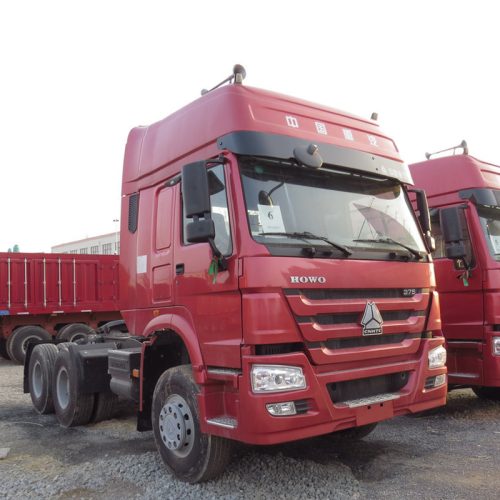
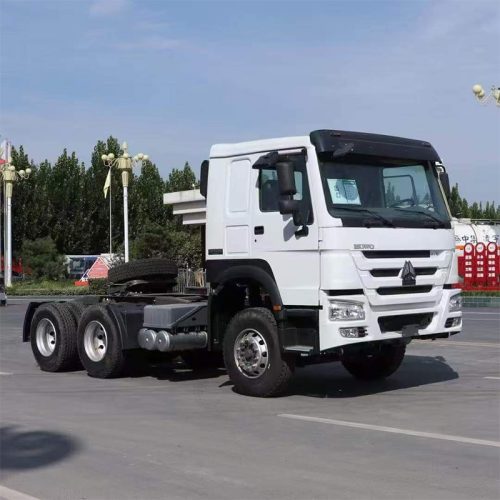
A used HOWO tractor head may suit a fleet already familiar with related systems. However, engine, gearbox, axle and electrical variations still require confirmation. A model name alone does not confirm parts interchangeability or trailer compatibility.
Maintenance access deserves equal attention. Parts supply, workshop familiarity, diagnostic capability and tire availability can determine whether a technically suitable tractor remains practical over time.
Inspection and Quotation Checklist for a Matched Combination
A structured quotation request reduces unclear assumptions. It should describe the transport task and identify which measurements or functions remain pending. Proposals can then be compared on the same technical basis.
- Trailer types and operating frequency
- Cargo and maximum planned payload
- Combination weight estimate
- Route, speed, altitude and climate
- Kingpin size and position
- Coupling and fifth-wheel height
- Expected vertical load
- Wheelbase and turning clearance
- Air-line and brake-control layout
- Electrical voltage and pin functions
- Hydraulic requirements, if fitted
- Destination-specific equipment
Dimensional evidence. Useful evidence includes fifth-wheel height and wheelbase measurements, close views of the locking area, connector photographs and a coupled side view where the trailer is available. Measurement points should be visible and units should remain consistent.
Functional evidence. Checks should cover air-pressure buildup, leakage, trailer brake response, lighting, steering and the locking mechanism. Where hydraulic equipment applies, operation should be confirmed against the required pressure and flow.
Unit-specific evidence. Media should correspond with the quoted unit rather than another truck of the same model. Identification points should remain visible where practical, especially when several similar vehicles are being compared.
The final checklist should record confirmed, unsuitable or pending information. This approach is more useful than an unsupported statement that the tractor “should fit.” Any conditional item can then be resolved before payment, shipment or local modification.
The quotation should also state its assumptions. If final cargo position, local axle limits or hydraulic requirements remain unknown, those gaps should appear clearly instead of being hidden inside a fixed recommendation.
Boca Vehicle Matching Support
Boca Vehicle can review available tractor and trailer information as one transport combination. The discussion can compare drivetrain demand, fifth-wheel geometry, axle loading, turning clearance and required interfaces against the operating brief.
Where several trailers are involved, placing all configurations in one comparison helps reveal shared requirements and important conflicts. Any uncertain recommendation should remain conditional until measurements or written specifications confirm it.
The semi trailer export service provides a confirmed route for discussing configuration coordination, inspection information and delivery preparation. Destination registration, road legality and local operating approval should still follow current local requirements.
- Trailer specification and dimension drawing
- Cargo description and maximum planned load
- Loaded combination weight estimate
- Gradient, altitude and road surface
- Target speed and daily operating distance
- Fifth-wheel and kingpin information
- Air, electrical and hydraulic interfaces
- Destination, budget and inspection needs
FAQ
What information is needed to match a used tractor truck with a semi trailer?
The review needs cargo type, payload, trailer empty weight, axle layout, kingpin position, coupling height and expected fifth-wheel load. These details define the basic combination weight and geometry.
Route gradients, altitude, surface, target speed, daily distance and connection requirements should also be included. Without that context, power and ratio suggestions remain incomplete.
How do fifth-wheel height and kingpin position affect compatibility?
Fifth-wheel height affects trailer attitude, axle loading, deck height and ground clearance. Kingpin position affects vertical load, cab clearance and how the trailer front moves during a turn.
Both measurements should be checked against tractor wheelbase and fifth-wheel position. The locking mechanism also needs physical inspection because dimensional compatibility does not confirm condition.
Why can the same tractor perform differently with a tanker and a lowbed trailer?
A tanker places greater emphasis on smooth control and coordinated braking because liquid can move during acceleration and cornering. Partial loading can also change axle distribution.
A lowbed may demand stronger low-speed pulling, greater traction, more cooling support and additional gooseneck clearance. The trailers can therefore create different requirements even at a similar total weight.
Which air, electrical or hydraulic connections should be checked?
Air checks should cover connector type, leakage, pressure recovery, hose routing and trailer brake response. Electrical checks should confirm voltage, pin functions, grounding and each lighting circuit.
Where hydraulic power is required, the power source, pressure, flow, oil capacity, hoses and controls should match the exact trailer equipment. Physical connector fit alone is not enough.
Provide the trailer type, cargo, loaded combination weight, road gradient, altitude, target speed, fifth-wheel data, connection requirements, destination and budget range.
A structured used tractor truck matching review can identify drivetrain, geometry, axle-load and interface conflicts before quotation and shipment planning.
contact Boca Vehicle