
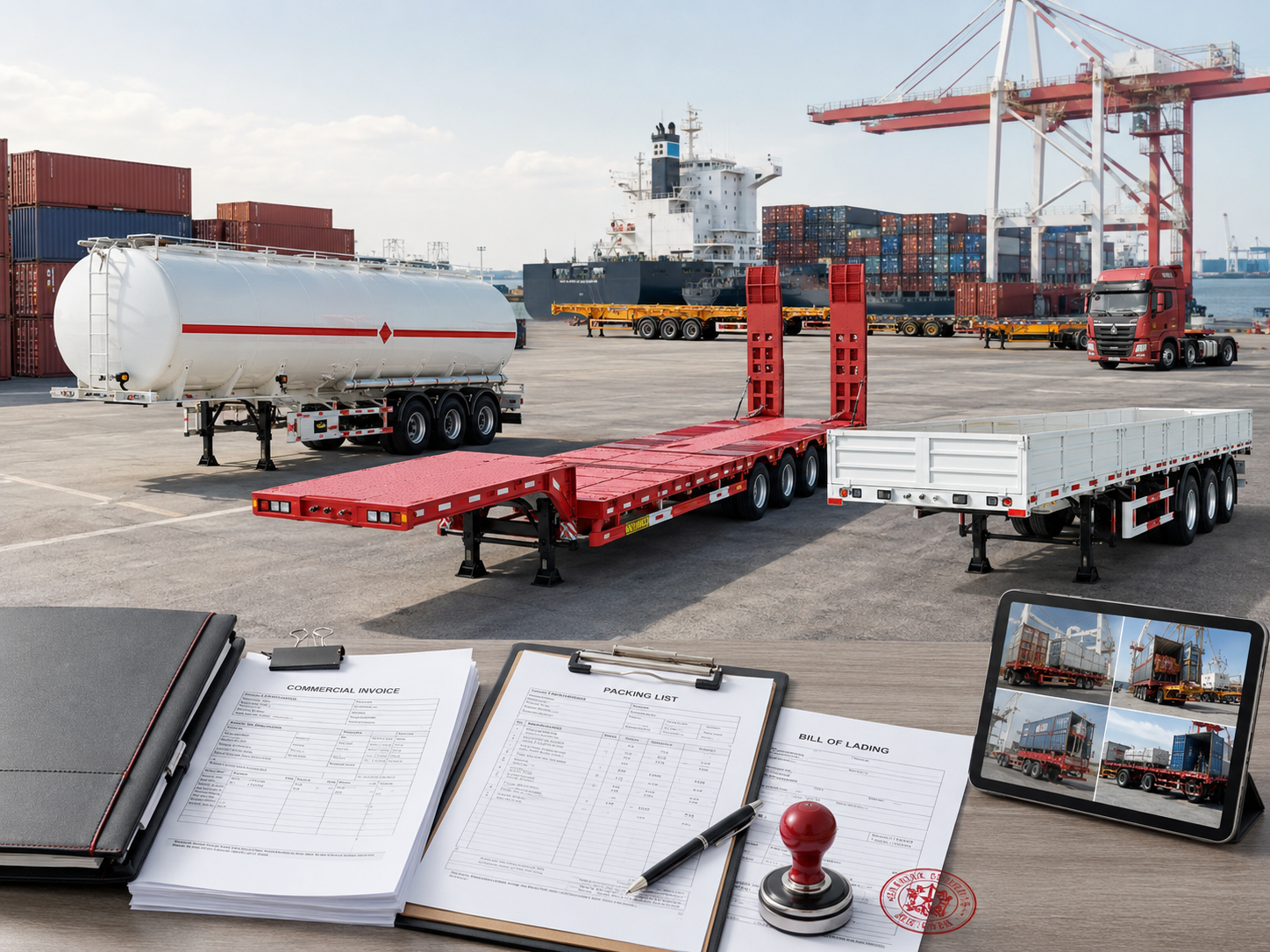
Semi Trailer Export Documents from China: What Buyers Need to Prepare

An export shipment needs one controlled information chain from quotation to port clearance. Still, the required records change with the destination, product type, transport method, payment terms, and local registration process. For that reason, semi trailer export documents should be planned through a structured semi trailer export service, rather than collected after loading. The document plan must identify each record, its issuer, its review date, and the party responsible for final submission.
Configuration data must stay consistent across the quotation, drawings, packing records, inspection files, and transport instructions. A changed axle arrangement, overall dimension, accessory list, or loading method can affect several records at once. For that reason, Boca Vehicle treats documentation as part of order control rather than a separate administrative step. The final file set still depends on written guidance from the destination customs broker, bank, carrier, and relevant authority.
Four Control Points Before Shipment
Confirm the legal entity, destination rules, approved configuration, document names, and responsibility matrix.
Confirm final dimensions, weights, package count, loading method, ports, consignee data, and release form.
Match unit identity, accessories, inspection scope, packing list, loading evidence, and transport references.
Send the final file set to the destination broker and close permits, originals, translations, duties, and port steps.
Who Prepares Semi Trailer Export Documents
A complete export file rarely comes from one office. Instead, several organizations provide source data, review drafts, issue certificates, or release transport records. Clear responsibility matters because one incorrect name, number, port, quantity, or document title can affect booking, banking, customs filing, inspection, or cargo release.
At the quotation stage, the importing organization normally provides its exact legal name, registered address, destination country, preferred port, product category, quantity, and intended operation. The destination customs broker should identify import permits, conformity programs, vehicle restrictions, translation needs, original-copy requirements, and local registration steps before the first commercial document becomes final.
The exporting company generally prepares the proforma invoice, commercial invoice, packing list, product description, and available production records. The technical team provides the approved configuration, actual dimensions, identification numbers, accessory list, and packing method. Every statement should follow the signed specification rather than a general product page or an early quotation draft.
The freight forwarder or carrier manages transport-related records after receiving approved shipping instructions. Depending on the shipment, the file may include booking confirmation, container data, draft bill of lading, final bill of lading, sea waybill, release notice, manifest information, or other carrier forms. The carrier controls its own document format, correction rules, deadlines, and release procedure.
An inspection body, testing laboratory, chamber, standards agency, or approved conformity organization may issue separate records. Those records only apply when the destination, contract, product scope, or financing terms require them. A factory statement cannot replace an independently issued certificate when a local rule requires an authorized issuer.
Banks can also shape the file set when payment uses a letter of credit or documentary collection. In that situation, document titles, dates, quantities, signatures, original counts, issuer wording, and presentation deadlines need careful control. Otherwise, a physically correct shipment may still produce a banking discrepancy.
Build a Responsibility Matrix Before the Deposit
A useful matrix replaces vague phrases such as “all paperwork included.” Instead, it names every expected record and shows who prepares, reviews, signs, issues, pays for, and receives it. It should also distinguish between prepared, coordinated, applied for, and officially issued.
- Document name and exact wording required by the destination or bank.
- Source data needed before drafting or application.
- Responsible organization and permitted issuing body.
- Draft review date and latest correction date.
- Original, copy, electronic, translation, or legalization format.
- Fee responsibility for inspection, certification, courier, and amendment.
For example, the exporting company may prepare invoice data while an authorized body issues a conformity record. Likewise, a freight forwarder may submit shipping instructions while the carrier issues the transport document. The destination customs broker then confirms whether the final package supports local filing and release.
A structured semi trailer export service should begin with this matrix. Production, logistics, finance, and customs teams can then work from one approved list. The matrix also makes missing information visible before it creates a delay.
Documents by Product Type
Match the File Set to the Actual Equipment
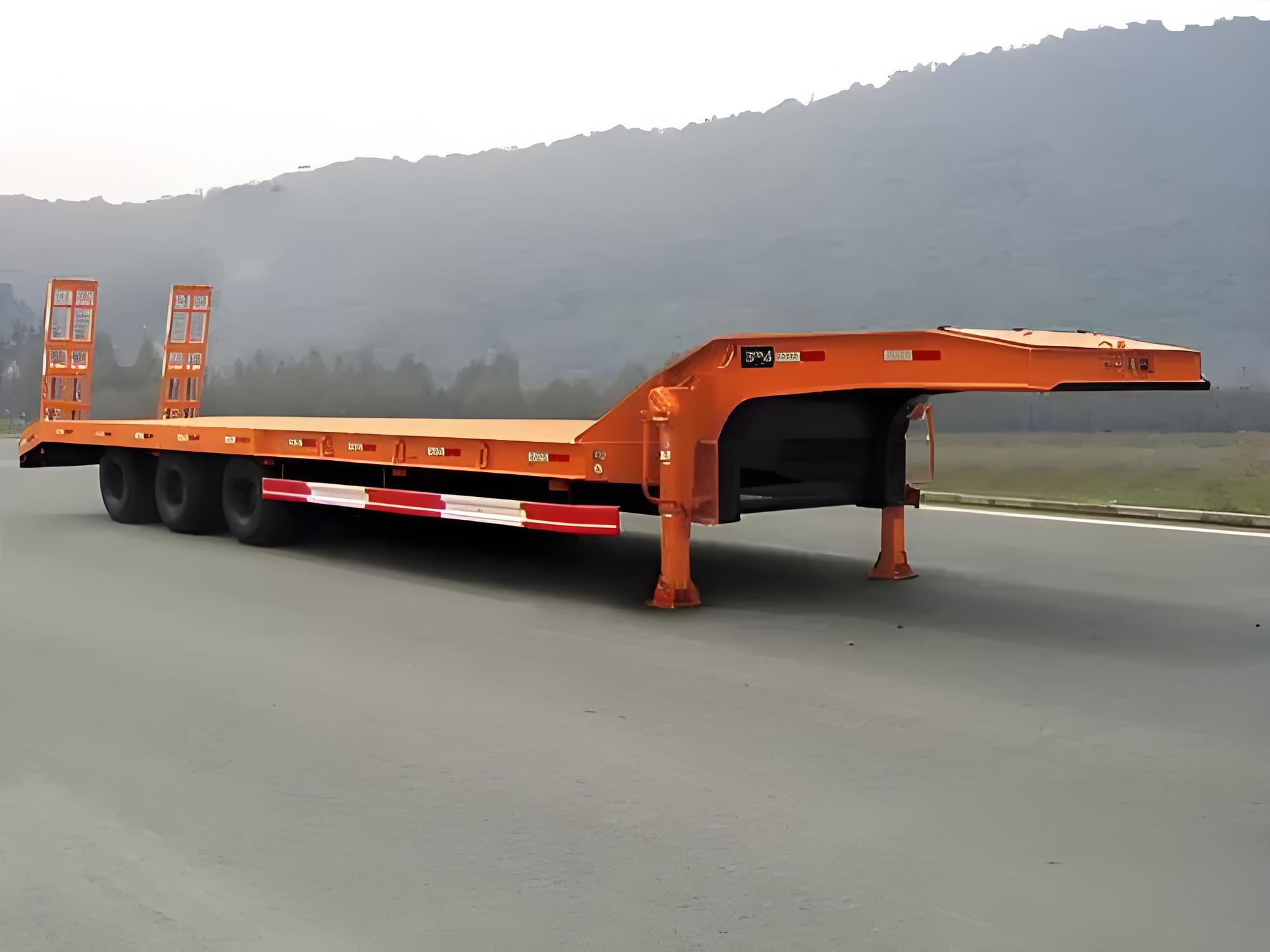
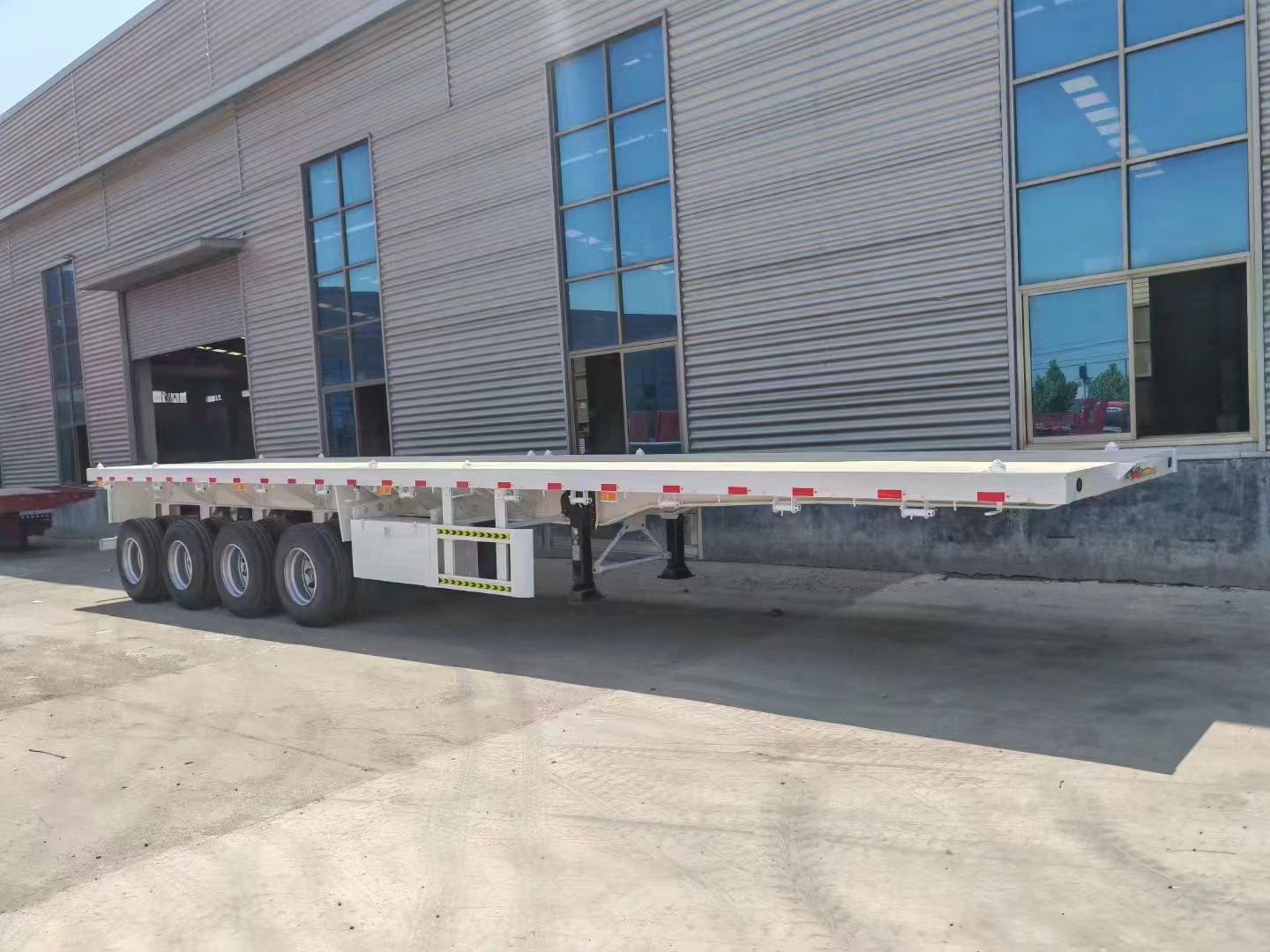
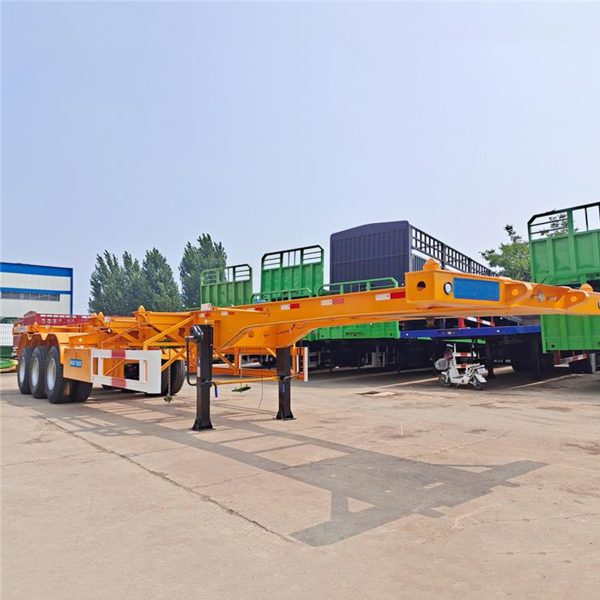
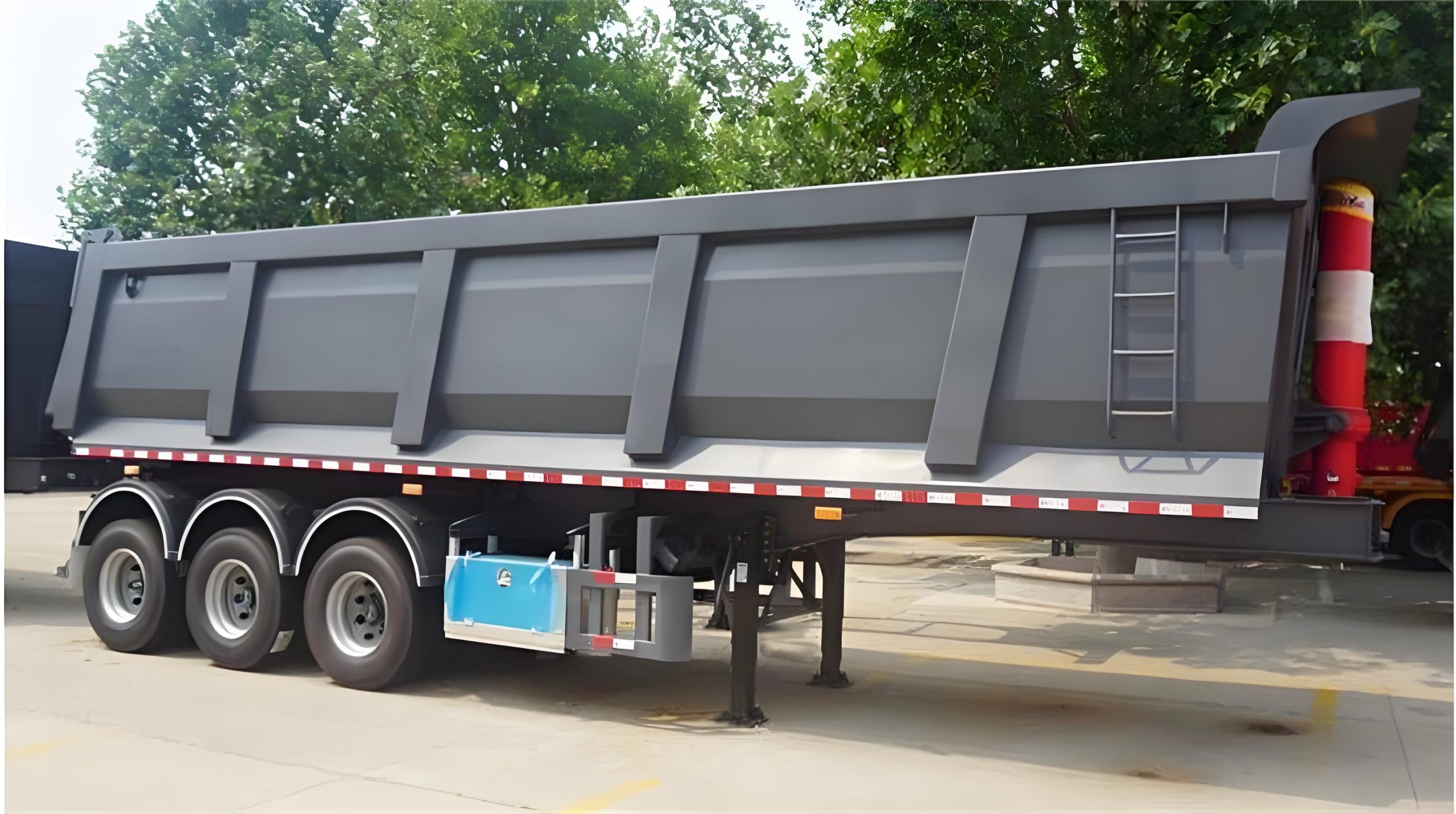
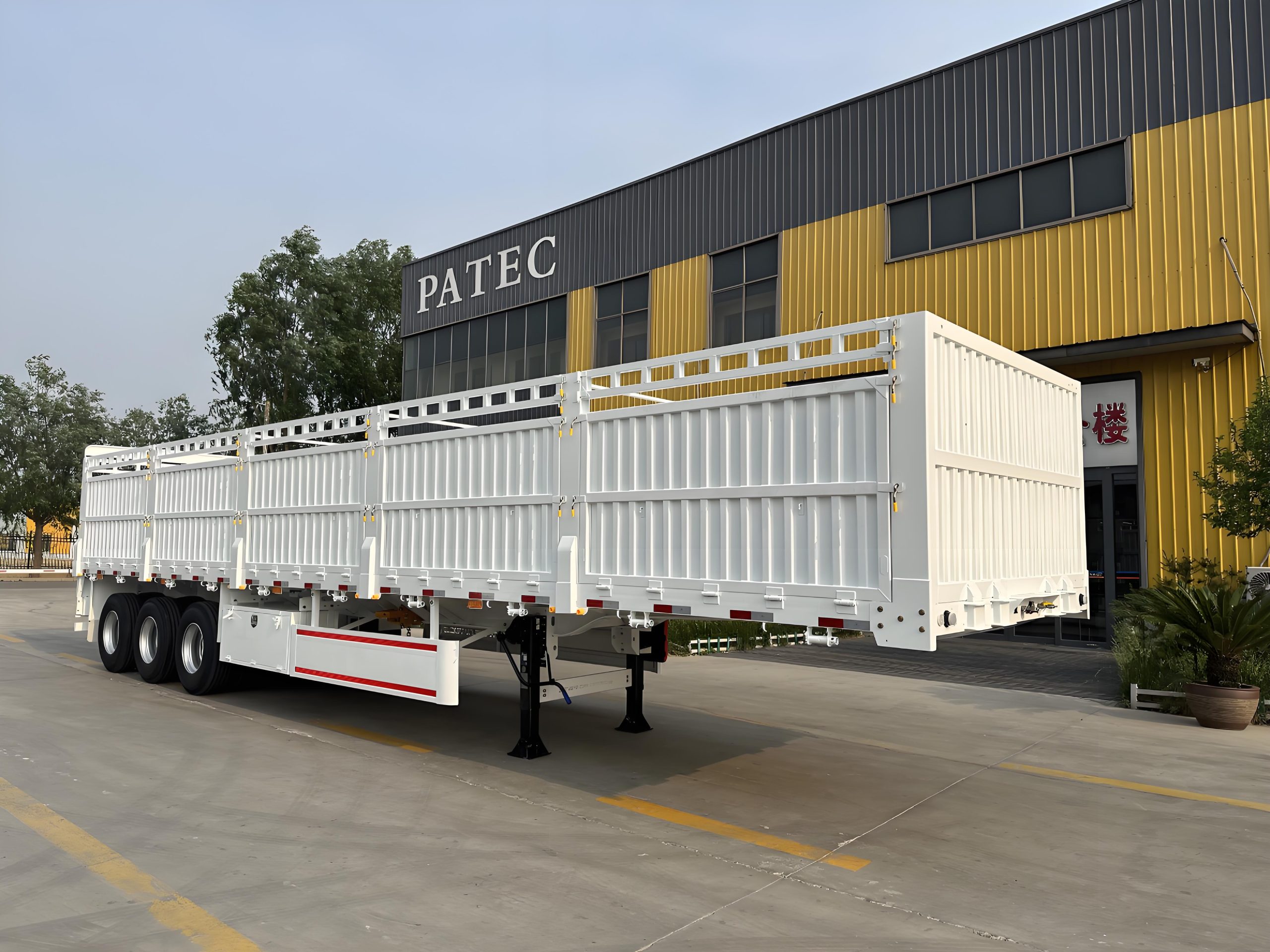
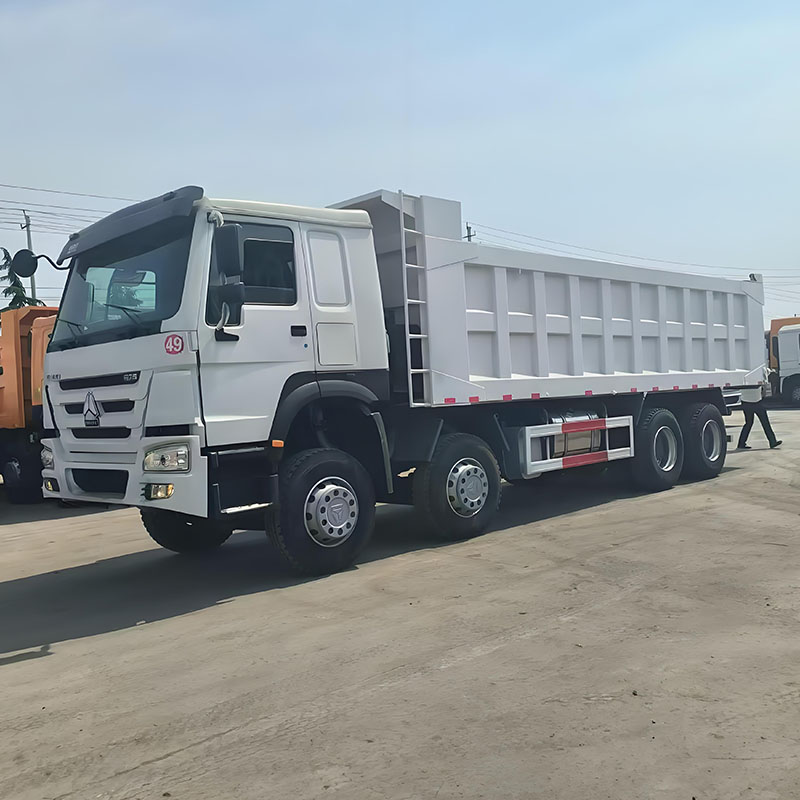
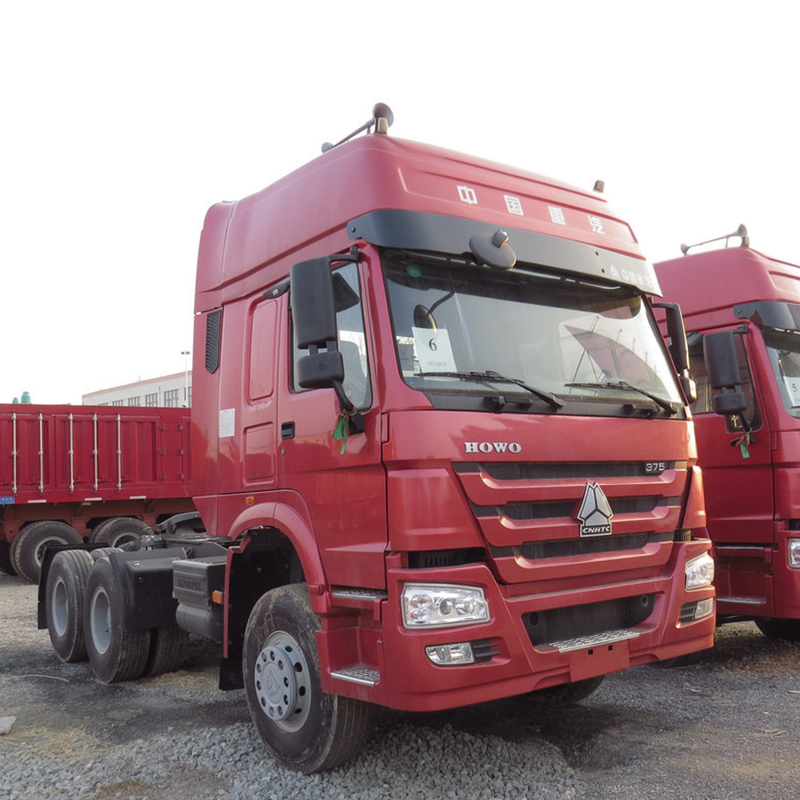
The invoice and transport chain remain similar across categories. Yet dimensions, identification records, inspection evidence, removable parts, and loading photos change with the selected equipment. Each image and button below opens the corresponding Boca Vehicle category page.

Commercial Documents: PI, CI and Packing List
Commercial records create the basic transaction trail. The proforma invoice, commercial invoice, and packing list must describe the same order without hidden differences. These files often move between finance teams, freight forwarders, customs brokers, inspection organizations, banks, and port agents.
Proforma Invoice for Commercial Confirmation
A proforma invoice records proposed terms before final shipment. It commonly includes legal names, addresses, product description, quantity, price basis, currency, payment terms, trade term, loading port, destination, and quotation validity. In practice, the final fields must reflect the negotiated order rather than a copied template.
The phrase proforma invoice semi trailer often appears during early research. Still, the main control point is accuracy rather than the document title. A useful PI separates the base unit, ordered accessories, spare parts, optional services, freight components, and third-party costs when those items form part of the quotation.
Product wording should be specific enough for technical and customs review. For instance, “one trailer” gives little guidance, while the category, axle arrangement, body form, major accessories, quantity, and agreed identification method provide stronger control. The description should not include an unconfirmed capacity, material grade, certificate, test result, or performance promise.
Trade terms also need precision. An Incoterm and named place can clarify delivery responsibility, but it does not automatically resolve every document obligation. The ICC Incoterms rules are a useful official reference for understanding how tasks, costs, and risks are allocated in international sales contracts. The contract should still separately identify freight, insurance, export declaration support, destination permits, inspection, certificate applications, bank charges, and release documents.
Payment structure affects document timing as well. A bank-transfer order may allow direct approval between the two commercial teams. By contrast, a letter of credit may require exact wording, specified original counts, presentation deadlines, and a named issuer. Those conditions should enter the PI and document matrix before production starts.
Commercial Invoice for Final Value and Shipment Data
The commercial invoice replaces the quotation-stage record with final shipment information. Usually, it shows the actual quantity, final value, currency, product description, trade term, transaction parties, and origin wording when appropriate. A customs broker may request a classification reference, but that code should come from a reviewed classification process rather than a guess.
Consistency matters more than decorative detail. The consignee name should match the approved transport instructions, while quantities, package counts, values, and descriptions should align with the packing list and bill draft. If one file says two complete units and another describes one unit plus detached assemblies, the difference needs a clear explanation.
Some destinations request signatures, stamps, declarations, legalization, notarization, or a prescribed invoice form. Others accept electronic records. In practice, the destination broker should confirm language, original count, submission method, and any required statement before the invoice becomes final.
Invoice value also needs careful control. An early unit price can change after accessories, spare parts, inland charges, freight adjustments, or specification revisions. Because of this, the final invoice should follow the signed agreement and payment record without artificial values, unsupported deductions, or unexplained line items.
When one shipment contains several categories, the invoice should separate them clearly. A trailer, spare-wheel package, tool kit, detached ramp, and hydraulic component may require distinct lines. Likewise, used commercial vehicles may need identification details that differ from new trailer descriptions.
Packing List for Physical Cargo Control
The packing list connects the paperwork with the physical cargo. It normally records package count, item description, quantity, marks, dimensions, gross weight, net weight when applicable, and the way components are packed. Still, the final content depends on whether units ship assembled, partly dismantled, stacked, containerized, or carried by another transport method.
For a semi trailer, one package may represent a complete unit, a nested group, or a separate accessory bundle. The list should explain the loading arrangement in plain language. Vague descriptions can confuse port handling, physical inspection, insurance review, and destination clearance.
Dimensions and weight data need one approved source. The technical team should confirm the actual figures after the final configuration and packing plan. Logistics staff should use the same figures for booking, carrier instructions, equipment selection, and any container weight process that applies.
Identification improves control when several units or accessory packages move together. Depending on the category and destination, the list may include chassis numbers, unit numbers, engine numbers, package marks, container numbers, or seal numbers. Unrelated internal codes and personal information should remain outside the shipping file.
Detached items deserve their own lines. Ramps, landing-gear parts, mudguards, side panels, toolboxes, pipes, hoses, spare wheels, ladders, or support frames can become separate packages. The loading team can then count and photograph each item before sealing or departure.
Transport Documents: Bill of Lading and Loading Information
Transport records convert an approved order into a traceable shipment. Shipping instructions must match the commercial invoice and packing list. A small difference in legal names, package counts, ports, cargo wording, or release terms can delay the bill draft or create a clearance query.
Shipping Instructions Before the Bill Draft
The freight forwarder or carrier normally requests shipping instructions before a stated documentation deadline. These instructions often include the shipper, consignee, notify party, loading port, discharge port, cargo description, package count, weight, measurement, freight terms, and release preference. Depending on the route, additional manifest data may also apply.
Legal entity names require exact spelling. Abbreviations, punctuation, address order, tax references, and contact details should follow the destination broker’s guidance. The consignee and notify-party structure must also match the payment arrangement and local release process.
Cargo descriptions should remain consistent across the document set. Carrier fields may use shorter wording because transport systems have character limits. The shipping description should preserve the essential product identity without adding unsupported technical claims.
Container numbers and seal numbers normally become available around loading. Ro-ro, breakbulk, flat rack, open-top, and standard-container shipments follow different information flows. The checklist should match the booked method rather than assume every trailer enters a closed container.
Bill of Lading Review
The bill of lading records key transport details and supports cargo release under the selected arrangement. The carrier prepares it from approved shipping instructions, while issuance timing depends on vessel status and carrier procedure. For that reason, the draft should be reviewed before the correction deadline.
Several release forms may exist, including original bills, sea waybills, or electronic release arrangements. One release method does not fit every payment structure or destination. The bank, importing organization, carrier, and customs broker should confirm the acceptable form before final instructions.
The review should cover more than spelling. It should check ports, package count, gross weight, cargo description, freight status, container references, seal references, consignee details, notify-party details, and release terms. Any correction after issuance may add cost or time, so early review has practical value.
The transport document should not introduce technical claims absent from the contract. A concise cargo description may be appropriate for carriage, while detailed specifications remain in the invoice, packing list, drawing, or attachment. The wording must still support clear identification.
Loading Photos and Traceable Loading Data
Loading photos provide practical evidence, although they do not automatically replace an official inspection record. The order should define the requested photo sequence, timing, file format, and identification method. A random group of workshop images may not prove the final loading condition.
A useful sequence can show the complete unit before loading, identification plate, visible accessories, detached components, protective treatment, lifting points, lashing points, transport position, and final seal. For stacked or dismantled units, the sequence should also show how components were counted and secured.
Video can add context when the contract requests it. Short clips should still show unit identity and the relevant inspection point. Otherwise, a polished video may provide less evidence than a clear, dated photo set.
File naming improves traceability. A folder can use order number, unit number, stage, and date. A loading list can connect each chassis number with its container, seal, deck position, or other transport reference.
Privacy and security also matter. Photos should avoid passports, bank records, unrelated number plates, personal telephone numbers, and confidential papers. Public sharing should never replace delivery through the agreed project channel.
Common Transport-Document Risk
A late configuration change can alter the weight, dimensions, package count, and cargo description at the same time. Booking data should remain provisional until the technical and packing teams confirm the final shipping form.
Product and Inspection Documents: COC, Certificates and Photos
Product records describe what entered production and what left the loading site. Still, the word “certificate” covers several different documents. A certificate of conformity, certificate of origin, inspection report, factory statement, test report, and quality checklist do not serve the same purpose.
Certificate of Conformity and Certificate of Origin
A certificate of conformity, often shortened to COC, generally relates to compliance with specified technical rules or standards. Yet the required issuer may be a public authority, approved conformity organization, designated laboratory, or manufacturer under an accepted scheme. The destination broker must confirm both the scope and the permitted issuer.
A certificate of origin addresses origin rather than technical conformity. A chamber or another authorized body may issue it when required. Some trade arrangements use prescribed origin declarations or preferential forms under separate eligibility rules.
The two records should never be treated as interchangeable. A customs office may request origin evidence for tariff treatment, while a standards agency may request conformity evidence for product control. A bank can also prescribe exact document titles within its payment conditions.
The contract should name each expected certificate precisely. It should also state the governing market, product scope, issuing body, application data, fee responsibility, and latest submission date. Otherwise, a broad promise such as “COC included” can create a serious misunderstanding.
Inspection Reports and Production Evidence
An inspection report should identify the inspected unit, inspection date, scope, method, and recorded result. Depending on the order, the scope may cover dimensions, visible structure, accessories, identification records, operational checks, or packing status. The report must not claim tests that did not occur.
A factory checklist can support internal control. Still, it may not satisfy an independent pre-shipment inspection requirement. The destination broker and contract should distinguish an internal quality record from a third-party inspection certificate.
Third-party inspection requires preparation. The inspection organization may request the commercial invoice, PI, product specification, packing list draft, drawings, photos, test records, or access to completed units. The visit should leave enough time for correction before loading.
Photos can support inspection evidence when they show identifiable units and relevant details. For example, dimension photos should show both the measuring point and readable scale. Accessory photos should connect the item to the corresponding unit or package.
Used commercial vehicles need a different evidence approach. Condition photos, identification plates, cab views, chassis views, engine-area images, tire condition, and visible repair areas may support review. Photographs cannot prove every mechanical condition, ownership history, mileage history, or destination eligibility.
Technical Files Without Unsupported Claims
Technical files often include drawings, configuration sheets, component lists, operating notes, and maintenance information. Yet the order should define which items become formal deliverables. A standard sales brochure does not automatically form part of the customs or registration package.
Drawings should match the approved version. Revision numbers and dates help prevent confusion when dimensions or accessories change during negotiation. The final file should also avoid obsolete model names, old logos, or superseded notes.
Component information may support inspection or registration in some markets. A destination authority may still require a prescribed format or recognized record. A general component list should not be presented as official homologation evidence.
Language requirements can vary as well. Some authorities accept English, while others request bilingual records, certified translation, or a prescribed local-language form. The destination broker should confirm this point before signatures, stamps, or legalization begin.
Document authenticity deserves equal attention. Clear signatures, reference numbers, verification codes, stamps, and issuing-body details may matter. Scanned copies should remain complete and readable, while originals should follow the agreed custody and courier plan.
Market-Specific Documents Such as SONCAP
Destination controls can change the entire file plan. A standard invoice-and-bill package may remain insufficient for regulated equipment. Import permits, conformity programs, type approval, inspection, registration, and pre-arrival filing may each add a separate step.
SONCAP Documents and Nigeria-Bound Shipments
SONCAP is associated with conformity assessment for regulated imports entering Nigeria. Product coverage, exemptions, application routes, required evidence, and active procedures can change. The importing organization and its authorized local channels should confirm applicability for the exact trailer, truck, accessory, or spare-part category.
The local broker should identify whether the planned product falls within a regulated scope. It should also confirm the application route, required certificate title, inspection process, supporting documents, and timing. A general statement that “SONCAP documents are available” does not answer those operational questions.
Application data usually depends on consistent commercial and product records. Invoice wording, packing information, product identity, origin details, and inspection evidence should match. A late change in quantity, description, or configuration may require an amendment or a new review.
No general article can confirm SONCAP applicability for every export project. Instead, the destination broker and approved conformity channel should review the actual product scope and proposed classification. Written confirmation offers stronger control than informal assumptions.
Other Destination-Specific Controls
Other markets may use pre-export conformity checks, import permits, vehicle age limits, emissions rules, roadworthiness inspections, axle restrictions, dimension limits, or registration standards. Program names and coverage can change, so each destination needs a current, broker-led checklist.
Used trucks often face stricter entry conditions than new trailers. A market may regulate age, steering position, emission level, roadworthiness, inspection location, or proof of registration history. Local eligibility should be confirmed before payment, refurbishment, repainting, or booking.
Tanker requirements can depend on the intended medium and operating sector. Fuel, water, edible liquid, chemical, dry bulk, and asphalt applications may follow different technical paths. The product description should state intended service without claiming universal approval.
Lowbed and heavy-haul units may trigger road dimension or axle-loading review. Export clearance from China does not guarantee lawful road operation after arrival. The local transport authority, engineer, or permit specialist may need to confirm route restrictions and operating permissions.
Document legalization also varies. Some destinations request chamber certification, notarial steps, embassy review, apostille procedures, or verified translations. Those steps should only begin after the local broker confirms the exact record and accepted process.
Buyer Checklist Before Production and Shipment
A reliable checklist starts before engineering approval. Procurement, finance, logistics, technical, and customs teams should work from the same order summary. This approach reduces late changes and protects both production and shipping preparation.
Before Production Starts
- Confirm the importing entity’s exact legal name, registered address, tax reference, and import status.
- Confirm the destination country, discharge port, final inland destination, and appointed customs broker.
- Confirm the product category, quantity, intended use, cargo profile, and operating environment.
- Approve the configuration, dimensions, interfaces, accessories, and any removable components in writing.
- Confirm whether the shipment uses a container, flat rack, open top, breakbulk, ro-ro, or another method.
- Confirm the Incoterm, named place, freight responsibility, insurance responsibility, and payment method.
- Confirm whether permits, conformity programs, type approval, or pre-shipment inspection apply.
- Confirm whether a COC, origin record, inspection certificate, or legalized record is required.
- Confirm bank wording, original counts, signature rules, and presentation deadlines when applicable.
- Confirm fee responsibility for inspection, certification, legalization, translation, courier, and amendments.
The checklist should record open questions as well. For example, a classification may still await broker confirmation, or an inspection organization may still review product scope. Instead of hiding these gaps, the project file should assign an owner and deadline.
Configuration changes require document review. A changed axle count, compartment layout, frame length, ramp form, accessory set, or vehicle identity can affect the PI, inspection application, packing plan, freight quotation, and booking. Every approved revision should reach the commercial and logistics teams.
Before Shipment Booking
- Confirm expected cargo readiness and the inspection window.
- Confirm final dimensions, actual weight data, package count, and loading method.
- Confirm whether units ship assembled, partly dismantled, stacked, nested, or separately packed.
- Confirm the booking description and any carrier restrictions for the selected method.
- Confirm container type, deck space, lifting method, lashing approach, and special handling needs.
- Confirm advance manifest data and document deadlines for the route.
- Confirm the expected bill form, release method, and consignee wording.
- Confirm the requested loading-photo sequence and final file-delivery channel.
Booking data should come from the approved technical and packing records, not estimated website text. The freight quotation and equipment choice can then reflect the actual shipment. This step also reduces amendment risk after the carrier receives instructions.
Before Loading and Final Release
- Match completed units against the signed specification and identification list.
- Match detached accessories against the packing list draft.
- Complete the agreed inspection before cargo leaves the loading site.
- Record visible condition before loading and after securing.
- Record container numbers, seal numbers, deck positions, or other transport references.
- Review the commercial invoice, packing list, and shipping instructions together.
- Approve the bill draft before the carrier correction deadline.
- Confirm certificate application status and expected release dates.
- Send the pre-alert package to the destination broker before arrival.
- Store final records in one controlled folder with clear version names.
A final document audit should compare every shared field. Legal names, addresses, quantities, values, package counts, weights, ports, dates, and identification numbers deserve special attention. Version control should prevent an old draft from reaching the bank, broker, or carrier.
Destination Customs Broker Checklist
The destination customs broker provides the most important local reality check. Broker review should begin before production rather than after vessel departure. A written response can reveal missing permits, restricted configurations, or document formats while changes remain possible.
Importer Registration and Permit Status
The broker should first confirm whether the importing organization holds the required registrations. Depending on the market, these may involve tax registration, importer registration, industry permits, foreign-exchange records, standards registration, or vehicle-import authorization. One registration model does not apply worldwide.
The broker should also confirm whether the product needs an import permit before shipment. A permit may depend on classification, intended use, model details, production year, emission information, or conformity evidence. An early application can require technical data before production finishes.
Permit validity needs attention as well. The shipment date, arrival date, quantity, value, and port should remain within the approved scope. Amendments should follow the authority’s process rather than informal edits to commercial records.
Classification and Customs Description
Classification affects duties, taxes, permits, inspection, and statistics. The destination broker should confirm the code based on the actual product and local tariff interpretation. The exporting side can provide technical descriptions, but it should not guarantee a destination classification without proper review.
A trailer, tractor unit, complete truck, accessory package, and spare part may fall under different headings. Likewise, a tanker’s intended use can influence the review. Clear configuration information helps the broker compare possible classifications and request a formal decision when needed.
The customs description should match the classification logic. It should remain truthful and consistent with the commercial file. Artificially broad wording can trigger questions, while excessive technical wording may conflict with carrier systems.
Duties, Taxes, Valuation, and Payment Records
The broker should estimate applicable duties, taxes, port charges, inspection costs, and possible deposits. Those estimates depend on current law, declared value, freight basis, exchange rate, classification, origin, and exemptions. Commercial planning should allow for changes before final assessment.
Customs valuation may review the invoice, payment evidence, freight, insurance, related-party information, and comparable values. Because of this, the project file should preserve the signed contract, PI, commercial invoice, payment records, and freight documents. Unsupported under-invoicing creates serious financial and clearance risk.
The broker should also confirm whether freight and insurance enter the customs value. Different valuation rules and trade terms can affect the calculation. Invoice and freight records should separate charges clearly when requested.
Originals, Electronic Copies, Translation, and Legalization
Some ports accept electronic submissions, while others still request originals for selected records. The broker should identify each required original, copy count, color scan, signature, stamp, and delivery deadline. Courier timing should account for weekends, public holidays, and bank processing.
Translation rules should appear on the checklist. A simple internal translation may not satisfy an authority that requires a certified or sworn version. The responsible translation provider and format should be agreed before signatures or legalization.
Legalization can add several stages. Chamber certification, notarial procedures, embassy review, apostille steps, or authority verification may apply to certain records. Those steps should never be ordered without local confirmation because they add cost and time.
Port Handling and Arrival Readiness
The broker should confirm the expected terminal process, inspection location, and release sequence. Although carrier terms control some charges, customs delay can increase storage, demurrage, detention, or handling exposure. Early document review helps reduce avoidable delay.
Pre-arrival filing may require invoice data, bill information, container details, chassis numbers, or permit references. The pre-alert package should reach the broker before the stated deadline. A final status list should also identify which records remain pending after departure.
Arrival planning should cover physical inspection. The broker may need access to unit identification, package marks, or detached components. The packing list and loading photos should make the cargo easy to locate and explain.
Post-clearance registration also deserves attention. Customs release does not always complete road registration, standards approval, licensing, insurance, or operating permits. The project file should separate port clearance from lawful road use.
Document Differences Across the Eight Product Categories
The basic document chain stays similar across trailers and used trucks. Yet technical descriptions, dimension records, identification data, inspection evidence, and loading methods change by category. Product differences should guide the supporting file without turning the article into a product specification sheet.
Lowbed and Lowboy Units
Lowbed files should describe the approved transport configuration in clear terms. Useful fields may include axle arrangement, deck form, ramp type, detachable parts, overall dimensions, and loading position. Every figure must come from the final specification and packing plan.
Heavy-equipment projects also need destination road review. The local team may ask about deck height, width, turning clearance, axle loading, or operating permits. Export records should provide accurate identification without promising route approval.
Loading photos should show ramps, detachable components, support points, and securing arrangements when those items form part of the order. If several units stack or nest, the packing list should explain the grouping. Each loose component should connect to a unit or package mark.
Tanker Units
Tanker documentation should identify the intended service and agreed tank configuration. Relevant details may include tank material, compartment count, valves, discharge arrangement, manholes, and accessories. The file should not claim suitability for a medium unless the written specification confirms it.
Different applications may trigger different local rules. Fuel transport, water transport, edible-liquid service, chemical service, dry-bulk service, and asphalt transport do not share one universal approval route. The destination broker should confirm technical standards, inspection, and registration requirements.
Shipping records should describe the empty condition and packing arrangement accurately. If components ship separately, the list should identify hoses, pipes, valves, ladders, toolboxes, or other accessories as applicable. Clear photos can then connect each package with the main unit.
Flatbed Units
Flatbed records should describe deck length, axle layout, twist-lock arrangement when ordered, side accessories, and intended loading method. Container capability should only appear when the approved design supports the stated positions. Generic wording can create incorrect expectations.
The packing file should identify removable stakes, side boards, toolboxes, spare wheels, or bundled accessories. Loading photos should show deck condition, lock positions, lighting components, and securing points when those checks form part of the order.
Destination registration may require dimensions, weights, braking information, and identification details. The technical sheet should follow the final configuration. Any later accessory change should trigger a revision review across all related documents.
Container Chassis Units
Container chassis documentation should state supported container positions and twist-lock layout. The description may distinguish fixed, sliding, extendable, or multi-position arrangements when the order includes them. The final wording must match the actual frame and approved drawing.
Container-length references can affect commercial descriptions and registration review. The drawing and photo file should show the relevant lock positions. It should also identify detachable bolsters, supports, extension parts, or accessories when applicable.
Port-focused operations may require compatibility checks beyond customs clearance. Terminal rules, road dimensions, fifth-wheel height, kingpin position, and axle limits can influence use. Operational review should be completed before shipment.
Dump Units
Dump trailer documents should identify tipping direction, body arrangement, hydraulic components, axle layout, and shipping state. A rear-dump, side-dump, or another form should not share vague wording when the distinction affects handling or registration.
The packing list should show detached hydraulic parts, supports, side boards, rear doors, hoses, spare wheels, and ordered accessories. Loading photos should record cylinder protection, body securing, and accessory placement when relevant.
Material thickness, capacity, and structural claims require special care. Those details should appear only when the signed specification confirms them. Export paperwork should not turn an engineering estimate into a guaranteed operating result.
Cargo Units
Cargo trailer records should identify the approved side-wall, fence, dropside, or other body form. Panel height, removable sections, cover supports, and door arrangement may matter for registration and operation. Technical descriptions should remain specific but concise.
The packing list should record loose panels, stakes, tarpaulin frames, toolboxes, ladders, and spare parts when ordered. Photos should show panel locking, floor condition, and accessory bundles if the inspection scope includes them.
General freight covers many cargo types. One document package cannot confirm suitability for every commodity. The operating organization should compare cargo density, securing needs, weather protection, and local rules with the final design.
Used Dump Trucks
Used dump truck files require stronger identity and condition control. Relevant records may include chassis number, engine number when available, stated production information, configuration description, inspection scope, and photo evidence. Every detail should come from verifiable records or physical inspection.
Destination age limits, emission rules, steering-position restrictions, and roadworthiness programs can block entry. Local eligibility should be confirmed before refurbishment, repainting, deposit, or booking. Export clearance alone cannot guarantee registration after arrival.
Condition wording should remain precise. Terms such as original condition, repainted, repaired, refurbished, or reconditioned need a defined scope. Photos should show the selected unit rather than a representative vehicle.
The inspection file may cover starting, visible leaks, cab functions, lights, tires, chassis, tipping system, engine area, and a road test when agreed. The record should not claim a complete mechanical history. Used equipment always requires risk-based review.
Used Tractor Units
Used tractor files share many identity requirements with used dump trucks. They may also need fifth-wheel type, fifth-wheel height, wheelbase, axle arrangement, drivetrain description, and intended trailer match. Final values should come from the selected unit rather than a general model range.
Local eligibility remains critical. The destination may regulate production year, emissions, steering position, inspection, or registration records. The local broker should approve the planned category before payment and shipment.
Condition evidence should include the actual cab, chassis, fifth wheel, tires, engine area, axles, and visible repair zones. The order should also define any refurbishment work and the inspection method. A broad “good condition” statement provides little document value.
Tractor-trailer matching also affects the technical file. Fifth-wheel height, kingpin compatibility, air and electrical connections, combination weight, road gradients, and local axle limits should guide selection. These operational checks remain separate from customs clearance.
Timeline from Quotation to Port Clearance
Document control works best as a sequence rather than a last-minute collection. Each stage should close specific questions before the next commitment. The stages below describe a practical workflow, not a guaranteed universal schedule.
1. Quotation and Screening
Collect destination, product, use, import status, broker guidance, and preliminary document requirements before final commercial terms.
2. Order Confirmation
Approve the specification, PI, responsibility matrix, inspection scope, and planned shipping method.
3. Production Control
Maintain approved revisions and prepare early data for permits, conformity review, or third-party inspection.
4. Inspection and Packing
Confirm completed units, actual dimensions, weights, package count, detached items, and loading form.
5. Booking and Instructions
Place the booking with confirmed cargo data and approve consignee, port, description, and release details.
6. Loading Evidence
Record unit identity, condition, accessories, securing, container or transport references, and final seals.
7. Final Document Release
Cross-check invoice, packing list, bill draft, certificates, and inspection files before distribution.
8. Pre-Arrival and Clearance
Complete broker filing, duty planning, original delivery, inspection preparation, port release, and later registration steps.
Quotation Request and Destination Screening
The project begins with product type, quantity, destination, port, intended use, and importing-entity details. The customs broker reviews eligibility, permits, conformity programs, and registration concerns. Any unresolved restriction should remain visible in the quotation file.
The PI draft then records the proposed specification, price basis, payment terms, trade term, and document scope. Before deposit, all parties should review legal names and commercial structure. This stage also identifies third-party fees and application responsibilities.
Order Confirmation and Production
After commercial agreement, the signed specification becomes the technical reference. The document matrix lists every promised record, issuer, deadline, and reviewer. Any conformity, origin, inspection, bank, or legalization requirement should appear by name.
During production, the technical team controls approved revisions. In parallel, conformity or inspection applications may begin when they require early data. The destination side should review draft declarations before signatures, fees, or legalization.
Final Inspection, Booking, and Loading
Once units reach the agreed completion stage, the inspection team checks the approved scope. Logistics staff then confirm dimensions, weights, package count, and loading method. The packing list draft should reflect actual cargo rather than initial estimates.
The freight forwarder places the booking using confirmed data. Then the documentation team prepares shipping instructions before the carrier deadline. Consignee, notify party, ports, cargo description, package count, and freight terms require careful review.
During loading, the team records unit condition, detached parts, securing, transport position, container numbers, and seals as applicable. The final packing information then replaces any estimate. The pre-alert folder should receive photographs and identification lists.
Bill Release, Pre-Arrival Review, and Port Clearance
The bill draft receives a line-by-line check against the invoice and packing list. Corrections should reach the carrier before issuance whenever possible. After departure, the carrier releases the transport record according to its process and the selected release method.
Before arrival, the customs broker reviews the final package and completes required filings. The importing organization also confirms duties, taxes, permits, funds, and physical inspection arrangements. Missing originals or translations should move early enough to avoid port delay.
At arrival, customs and other authorities may review value, classification, permits, certificates, or physical cargo. Clear photos and packing details can help explain detached or stacked components. After release, local road registration, licensing, inspection, or operating permits may still continue.
Boca Vehicle Export Service and Final CTA
A controlled export file begins with accurate product information and current destination guidance. A complete quotation request should include product type, quantity, destination country, destination port, importing-entity details, local broker requirements, and the records already available. It should also identify any bank wording, inspection program, certificate name, translation rule, or original-copy requirement.
Boca Vehicle can review the requested scope against the selected equipment and written order. No certificate, customs record, or market approval should be treated as universally valid. The destination broker and relevant authority remain essential for confirming current local requirements.
Three Actions Before Order Confirmation
- Send the complete product, destination, port, and operating brief before technical confirmation.
- Obtain written broker guidance for permits, classification, certificates, clearance, and registration.
- Approve a responsibility matrix that names every record, issuer, reviewer, fee owner, and deadline.
Further Reading
Three Reviews That Prevent Document Rework
Compare the signed specification, final drawing, accessory list, identification plan, and shipping configuration before booking.
Define the inspection scope, photo sequence, file naming method, and approval deadline before the loading date.
Ask the customs broker to close classification, permits, originals, translations, conformity steps, and post-clearance registration.
Prepare the Document Scope Before Production
For a document-focused quotation, provide the planned product category, quantity, destination, port, importing-entity details, broker checklist, and available records. This information allows both sides to confirm responsibilities before the order enters production.
contact Boca VehicleFAQ
Near the final review stage, the complete set of semi trailer export documents should match the signed specification, final packing plan, transport instructions, and destination broker checklist. Any unresolved difference should be corrected before the file reaches a bank, carrier, authority, or port agent.