
Cargo Semi Trailer Buying Guide for General Freight and Bulk Cargo
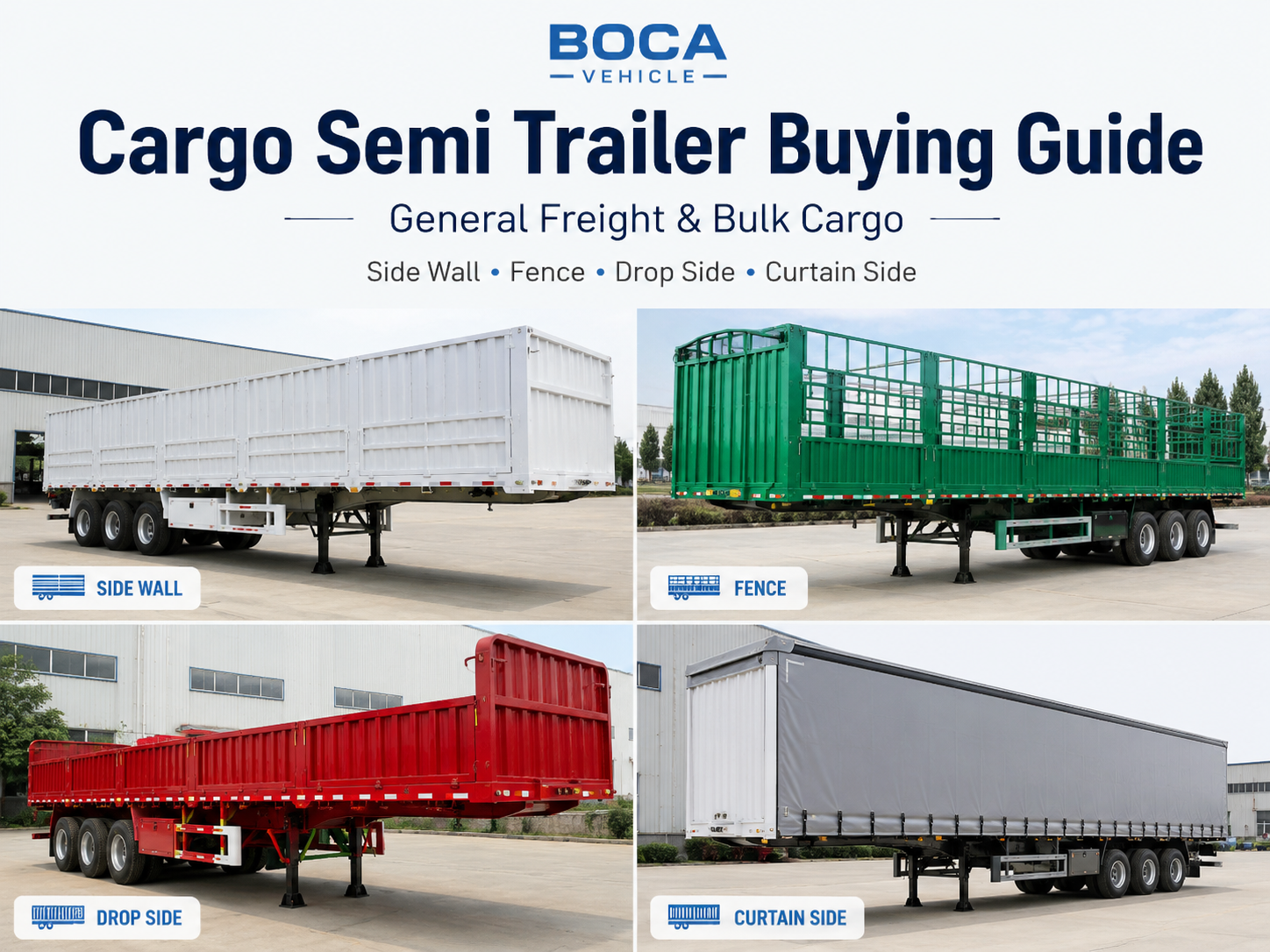
This guide compares side wall, fence, drop side and curtain side cargo trailers for freight, bulk cargo, export transport and BOCA Vehicle quotation planning.

General freight, agricultural products, bagged materials, building supplies, port cargo, and regional logistics often need stronger side protection than an open platform can provide. Therefore, a cargo semi trailer is usually considered when freight needs open-top loading, side wall support, flexible unloading, and practical export configuration. This guide explains how to compare side wall, fence, drop side, and curtain side structures before confirming axles, loading capacity, suspension, cargo protection, road condition, and inspection needs.
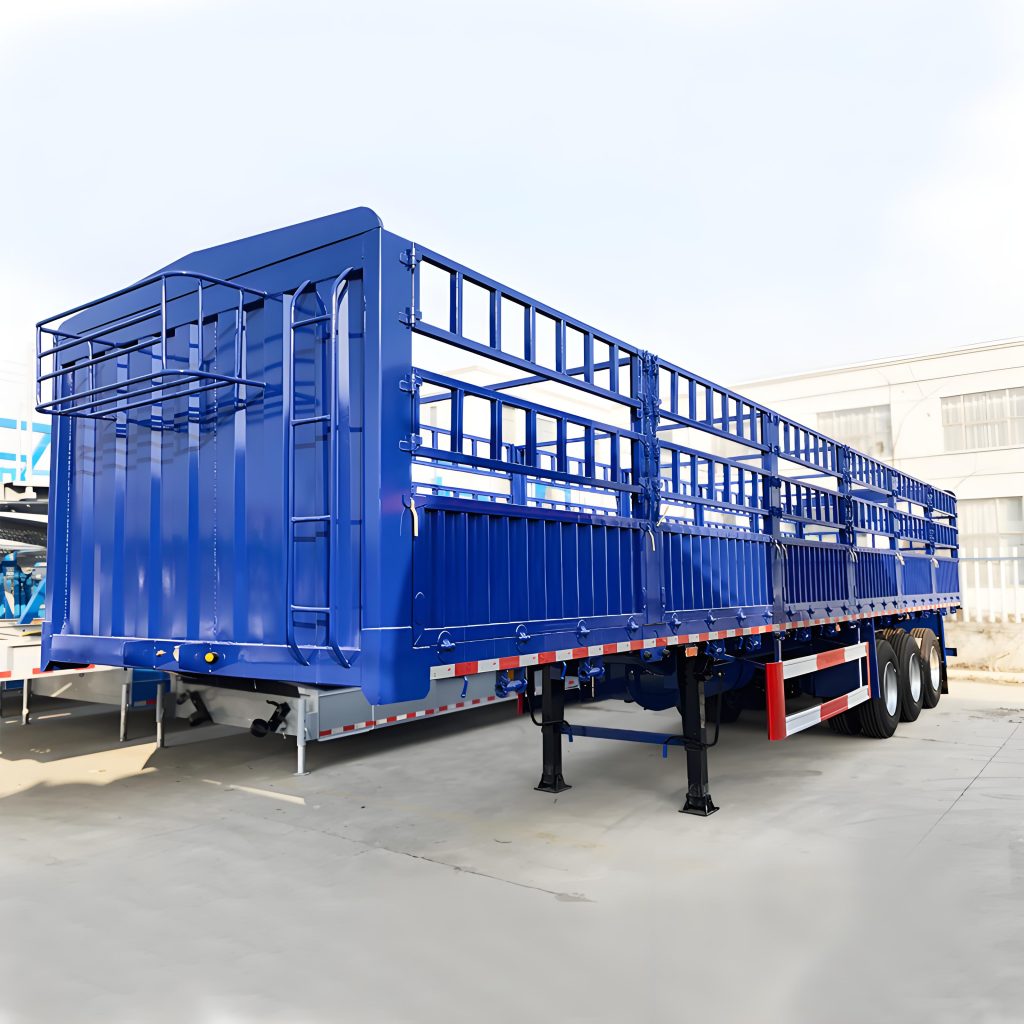
Click the image to view BOCA Vehicle cargo trailer options.
In real export projects, trailer selection should start with cargo type and route condition, not only body appearance. A side wall trailer, fence trailer, drop side trailer, and curtain side trailer can look similar from a distance. However, each structure solves a different loading, protection, and unloading problem.
What Is a Cargo Trailer for General Freight?
A cargo trailer is a semi-trailer body designed for general goods, bagged cargo, agricultural products, building materials, and some non-liquid bulk freight. It connects with a tractor through the fifth wheel and relies on side protection to keep cargo more stable during transport.
Compared with a flat platform trailer, this structure adds side walls, fence panels, drop side boards, or side curtains. As a result, it can handle mixed cargo while still allowing forklift loading, crane loading, side loading, or manual loading.
For export fleets, this product type is especially useful when one trailer needs to serve several cargo routes. For example, the same fleet may transport bagged cement, grain, cartons, timber, steel parts, or farm supplies at different times of the year.
Where This Trailer Type Fits Best
This trailer type fits logistics fleets, agricultural transport, building material supply, port yards, warehouse distribution, and mining support work. It is not limited to one single cargo shape. Instead, it works best when cargo needs side containment and flexible loading access.
Common loads include bagged grain, fertilizer, feed, cement bags, cartons, palletized goods, light machinery, timber, steel pipes, tiles, and packaged industrial materials. Meanwhile, loose heavy materials such as rock, gravel, wet ore, and demolition waste usually require a dump trailer or another specialized body.
In short, the correct trailer depends on cargo density, loading method, unloading method, road condition, and destination market rules. Therefore, specification discussion should happen before quotation confirmation.
Side Wall, Fence, Drop Side and Curtain Side Options
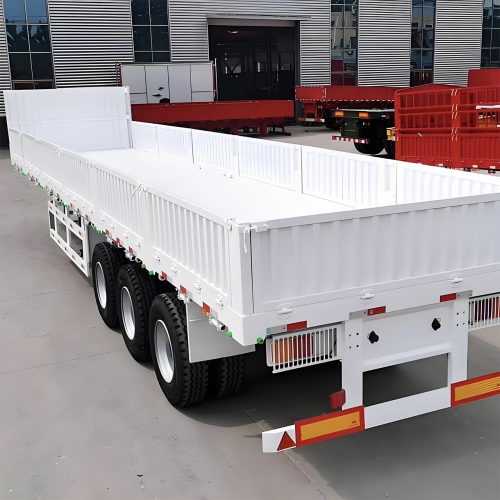
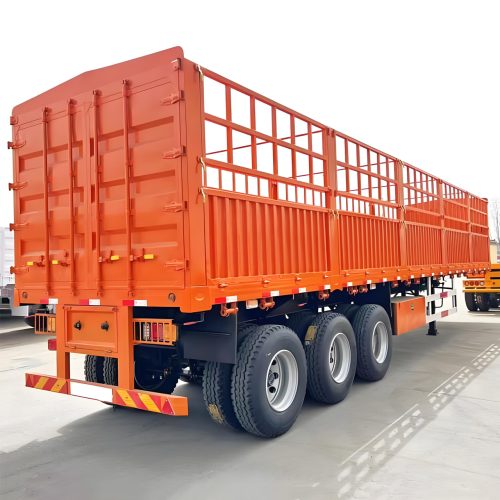
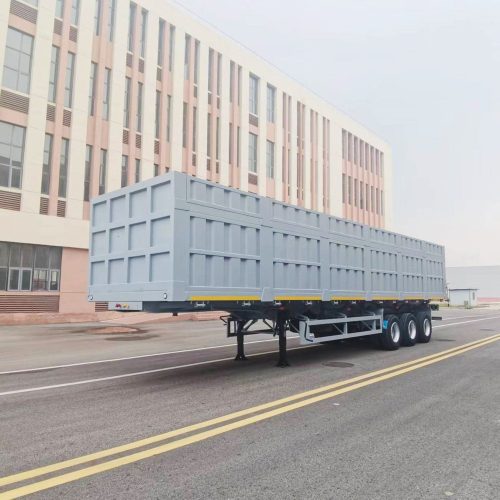
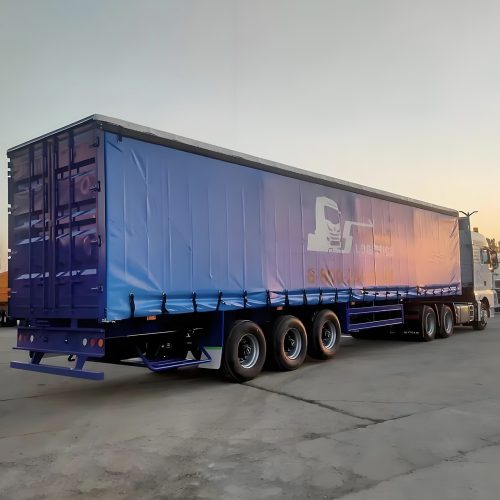
The four main body structures below cover most general freight and bulk cargo needs. Each image links to the matching BOCA Vehicle product page, and each button gives a clear next step for product review.
Key Specifications to Compare Before Ordering
A strong quotation should include more than a model name. It should explain axle quantity, loading capacity, side wall height, suspension type, tire plan, brake system, landing gear, cargo fixing points, and export inspection requirements.
Also, the trailer must match the tractor. Fifth wheel height, kingpin size, air line connection, brake system, and electrical plug can affect daily coupling and road performance. Therefore, tractor information should be included when possible.
How to Choose the Right Structure
Start With Cargo Type
First, define the cargo form. Bagged goods need stable side containment. Palletized freight needs forklift access and strong flooring. Agricultural goods may need higher side support and ventilation. Meanwhile, steel pipe, timber, or long cargo may need removable side posts and better lashing points.
Match the Trailer With Road Condition
Next, review the route. Smooth highways, port roads, rural roads, mining access roads, and construction sites create different stress on the frame, tires, suspension, and side structure. Therefore, a trailer used on rough roads may need stronger reinforcement than one used mainly in warehouse logistics.
Check Loading and Unloading Method
Forklift loading needs side access and a strong floor. Crane loading needs open-top space and reliable lashing points. Manual loading may benefit from lower side walls. In addition, multi-point delivery often works better with drop side access than fixed high walls.
Separate Cargo Trailers From Other Trailer Types
Product category matching matters. For regular container transport, a container chassis trailer is usually a better fit because it has dedicated twist lock positions. For steel, machinery, pipe, and oversized cargo, a flatbed semi trailer may provide more practical open-deck loading.
For body-structure selection, compare side wall vs fence semi trailer options.
Cargo Protection and Loading Safety
Cargo protection comes from structure and loading practice together. Side walls and fence panels reduce outward movement, while ropes, straps, lashing rings, tarpaulin frames, and side posts help secure cargo during transport.
For additional road transport reference, the IRU Safe Loading and Cargo Securing resource explains why correct loading and securing measures matter for cargo movement. This supports the same practical principle used in trailer selection: the body design must work together with safe loading habits.
Also, cargo weight distribution should stay balanced across the axle group and kingpin area. If cargo is dense or uneven, the trailer configuration and loading plan should be checked before final order confirmation.
Which Configuration Fits Which Transport Work?
The following guide gives a practical selection direction. However, final specification still depends on cargo type, road condition, loading capacity, destination rules, tractor matching, and inspection requirements.
BOCA Vehicle Cargo Trailer Solution
BOCA Vehicle supports export-oriented trailer selection for logistics fleets, port operations, construction supply, agricultural transport, and mining support projects. Configuration discussions can include body structure, side wall height, fence design, axle quantity, suspension type, tire choice, brake layout, landing gear, and cargo fixing accessories.
In addition, BOCA Vehicle can review cargo and route details before preparing a quotation. The BOCA Vehicle site provides related semi-trailer categories for export project planning, including cargo, flatbed, container chassis, dump, lowbed, tanker, and used truck options.
For remote order review, pre-shipment photos or videos can focus on agreed visible items. These may include side structure, frame, tires, axles, suspension, landing gear, brake lines, lights, paint finish, and main accessories. However, the inspection scope should be confirmed before shipment.
Quotation Details to Prepare
A clear inquiry helps reduce repeated communication and improves configuration accuracy. The following details are useful before asking for an export quotation.
- Cargo type and cargo form, such as bags, pallets, cartons, timber, steel pipe, or farm products.
- Expected loading capacity and whether the cargo is dense or bulky.
- Preferred axle quantity, suspension type, and tire requirement if already known.
- Road condition, route distance, loading method, and unloading method.
- Destination country, order quantity, tractor model, and inspection photo or video requirement.
Common Mistakes Before Placing an Order
One common mistake is choosing only by side wall height. A higher wall can improve volume, but it can also slow side loading and increase trailer weight. Therefore, wall height should match cargo stack height and loading method.
Another mistake is ignoring unloading practice. A trailer may hold the cargo safely, yet still slow daily operation if the side opening is not suitable. For frequent delivery routes, drop side access may save more time than a fixed wall design.
Finally, destination rules should not be treated as a final small detail. Axle load, overall length, lighting requirements, road limits, and registration expectations can vary by market. Local confirmation should happen before final order approval.
Related Reading
Flatbed Semi Trailer Buying Guide
Useful for steel, machinery, timber, pipe, container cargo, and open-deck freight comparison.
Read More →Container Chassis Trailer Guide
A practical guide for port, terminal, warehouse, and cross-border container transport planning.
Read More →3 Axle Side Wall Trailer Case
A real side wall trailer export case for building materials, agricultural goods, and general cargo.
Read More →FAQ
Final Selection Advice
A strong trailer choice starts with cargo, route, and loading practice. Side wall, fence, drop side, and curtain side designs can all support general freight, but they solve different problems.
For export procurement, the right cargo semi trailer specification depends on side protection, floor strength, axle quantity, suspension, unloading method, road condition, destination rules, and inspection needs.
- First, confirm cargo type, cargo density, loading capacity, and common loading method.
- Next, match axle quantity, suspension, tire choice, and side structure with road condition.
- Finally, prepare destination country, quantity, tractor details, and inspection requirements before requesting a quote.
Need a Cargo Trailer Quotation?
Send cargo type, loading capacity, axle quantity, road condition, destination country, order quantity, tractor information, and inspection requirement. BOCA Vehicle can review the project and recommend a practical export configuration.
Contact BOCA Vehicle