
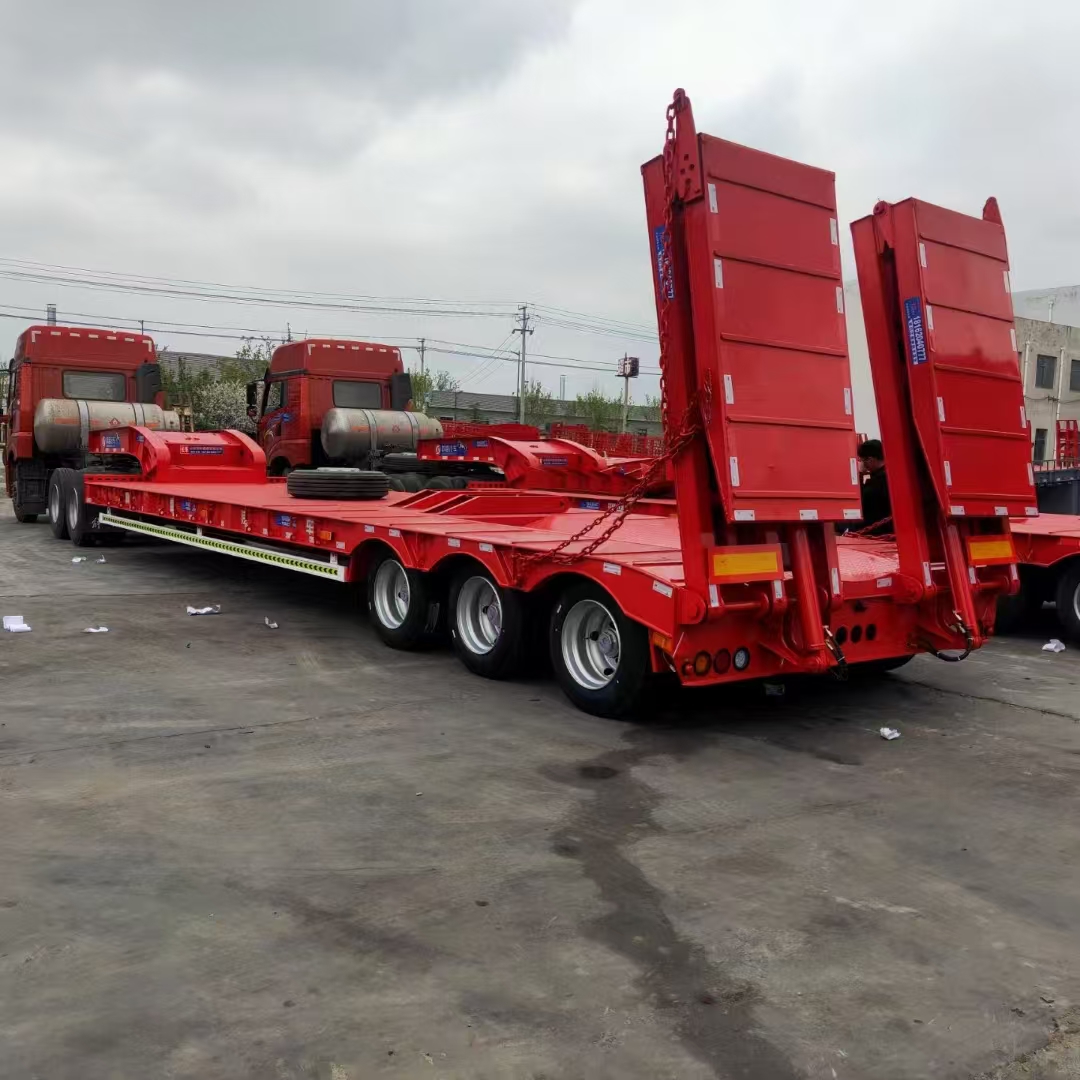
Semi lowbed trailer axle configurations

Overview
Axle configuration is one of the most important factors determining the performance, price, and long-term performance of a semi lowbed trailer. Whether you’re transporting excavators, bulldozers, mining equipment, or oversized cargo, choosing the right axle configuration ensures safety, efficiency, and compliance with legal road speed limits.
In this guide, we’ll detail the differences between 2 axle lowbed trailer, 3 axle lowbed trailer, 4 axle lowbed trailer, and multi alxe lowbed trailers, explain their applicable scenarios, and provide practical load examples to help you choose the most suitable configuration for your business.
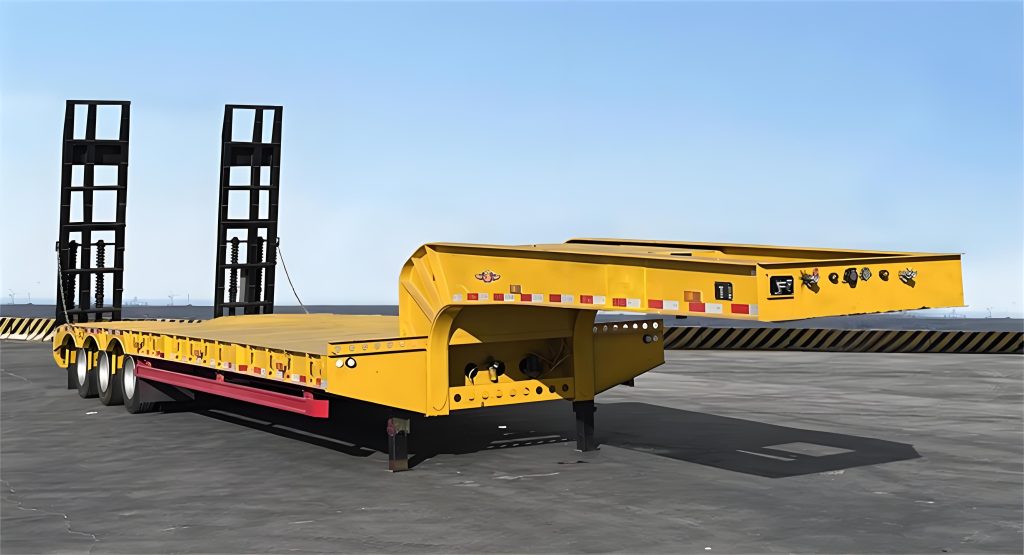
Why Axle Configuration is Crucial for semi lowbed trailer
Each axle bears a portion of the trailer’s total load. More axles distribute weight more evenly, improving stability and allowing the low bed semi trailer to transport heavier machinery without damaging roads or violating regulations.
Proper axle configuration affects:
Payment capacity
Road compliance
Stability and handling
Tire wear
Suspension performance
Trailer price
Lifespan under heavy use
Therefore, axle selection is one of the first things consumers need to consider when purchasing a vehicle.
Lowbed Semi Trailer Axle Configuration Comparison
Selection Guide:
2 Axle: Light equipment transport
3 Axle: General construction and machinery transport
4 Axle: Heavy-duty equipment transportation
Multi Axle: Oversized and extreme heavy haul projects
| Type | Payload | Applications | Advantages | Limitations |
|---|---|---|---|---|
| 2 Axle Lowbed Trailer | 20–35 Tons | Mini excavators, forklifts, agricultural machinery | Low cost, lightweight, fuel efficient, easy operation | Limited capacity, not suitable for heavy equipment |
| 3 Axle Lowbed Trailer | 40–60 Tons | Excavators, bulldozers, loaders, construction equipment | Most popular, balanced capacity and cost, stable performance | Not suitable for oversized heavy loads |
| 4 Axle Lowbed Trailer | 60–90 Tons | Large excavators, drilling equipment, heavy machinery | Higher capacity, better load distribution, improved stability | Higher cost and heavier weight |
| Multi Axle Lowbed Trailer | 100–180+ Tons | Mining equipment, transformers, crawler cranes | Maximum load capacity, excellent stability, customizable design | Higher investment, special permits may be required |

Semi lowbed trailer suspension Type
Axle configuration is closely related to the suspension system. Choosing the appropriate combination can improve comfort, extend service life, and ensure load safety.
Mechanical Suspension
Highest load capacity, suitable for heavy-duty applications
Low maintenance costs
Best suited for rough roads and mining operations
Air Suspension
Protects valuable machinery
Adjustable ride height
Ideal for long-haul transport
Hydraulic Suspension System
Used in specialized low-profile or modular trailers
Precise leveling of oversized cargo
Expensive but essential for heavy-duty engineering equipment
Semi lowbed trailer axle Brands
Premium axle brands extend service life and reduce maintenance costs.
Common Brands:
BPW – German quality, longest service life
SAF (Netherlands) – Superior performance
FOV – Low cost, widely used in Asia
York – Reliable in heavy-duty applications
Higher quality axles reduce failures and increase vehicle resale value.
Payload Capacity Comparison Table
| Axle Configuration | Payload Range | Best For | Typical Users |
| 2 Axles | 20–35 tons | Small equipment | Contractors, farms |
| 3 Axles | 40–60 tons | Construction machinery | Rental companies, builders |
| 4 Axles | 60–90 tons | Heavy loads | Mining & infrastructure |
| 5 Axles | 100–180+ tons | Oversized cargo | Heavy-haul transport firms |
| Modular Axles (6–12 Axles) | 200–600+ tons | Industrial equipment | Specialized carriers |
How to Choose the Right Axle Configuration
Selecting the correct axle configuration is essential for safe transportation, legal compliance, and long-term operating efficiency. Consider the following factors before choosing a semi lowbed trailer.
Understand Your Cargo Requirements
Choose an axle system based on your most frequently transported equipment. It is recommended to select axles with 20%–30% additional load capacity above your heaviest cargo for improved safety and durability.
Check Local Road Regulations
Different countries have different axle load limits. Make sure the trailer configuration complies with local transportation regulations to avoid legal issues.
Consider Future Transportation Needs
Selecting a slightly higher-capacity axle configuration can provide flexibility for future projects and reduce the need for upgrades.
Match the Suspension to Operating Conditions
Rough roads and construction sites → Mechanical suspension
Highways and long-distance transport → Air suspension
Oversized and heavy cargo → Hydraulic suspension system
Balance Cost and Durability
High-quality axles may require a higher initial investment but provide better reliability, lower maintenance costs, and a longer service life.
The right axle configuration should balance payload capacity, road conditions, regulations, and long-term operating costs.
Conclusion
Axle configuration has a crucial impact on the performance, safety, and cost of semi lowbed trailer. Whether you choose a 2 axle lowbed semi trailer for light loads, a tri axle lowbed semi trailer for routine construction work, a four axle semi lowbed trailer for heavy-duty tasks, or a multi-axle configuration for large machinery, understanding the impact of axles on load capacity and road adaptability will help you make the right investment decisions.