
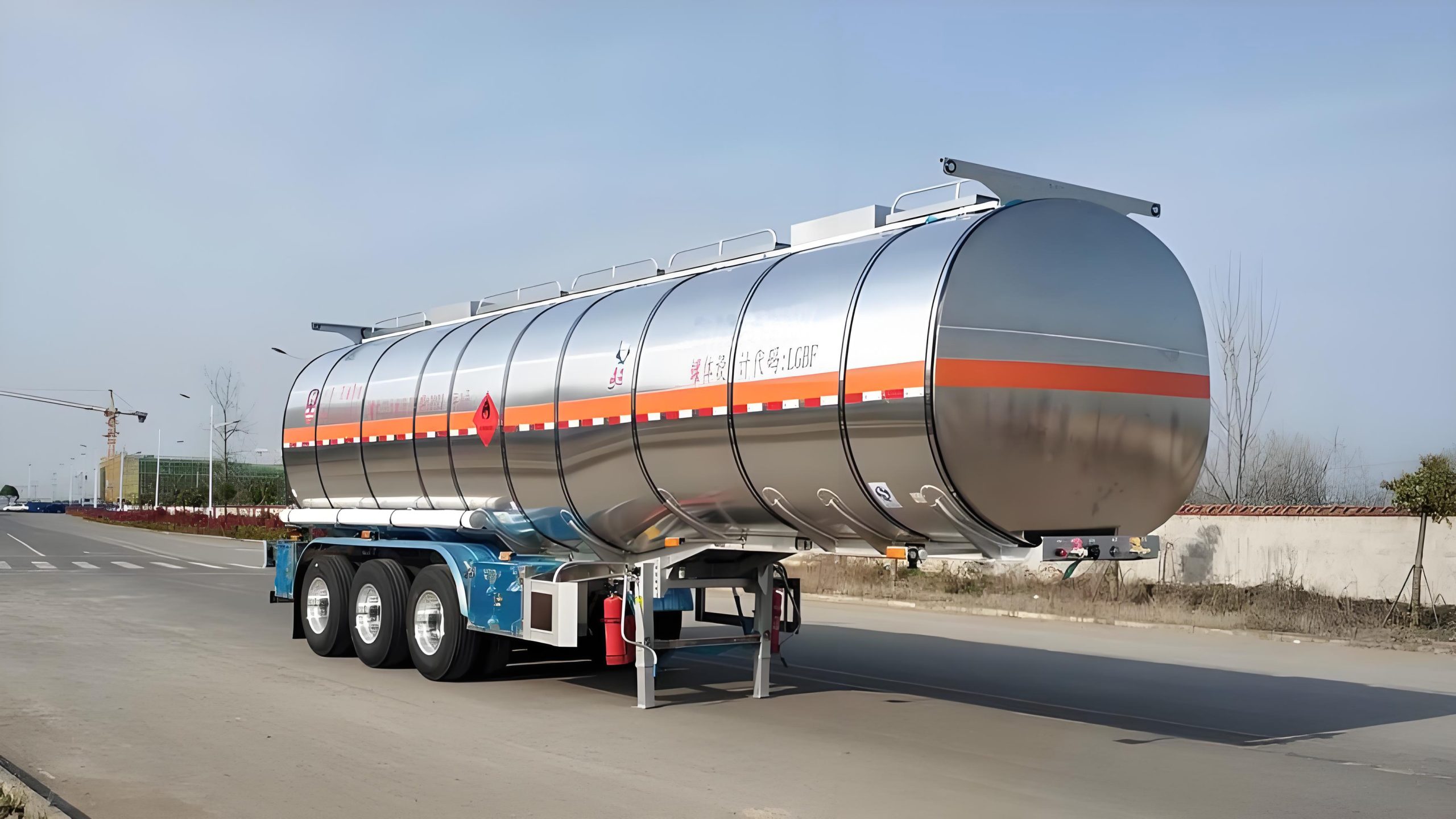
Tank Semi Trailer
Tank Semi Trailer Series
-
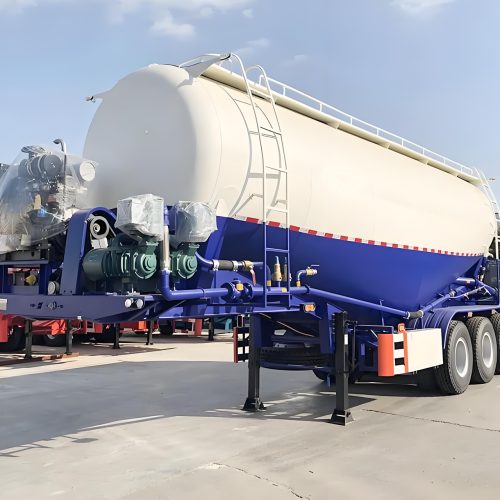
3 axle cement bulker trailer
-
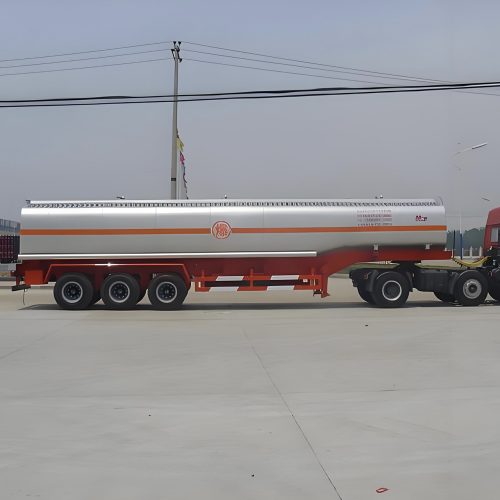
3 Axle fuel tanker trailer for sale
-
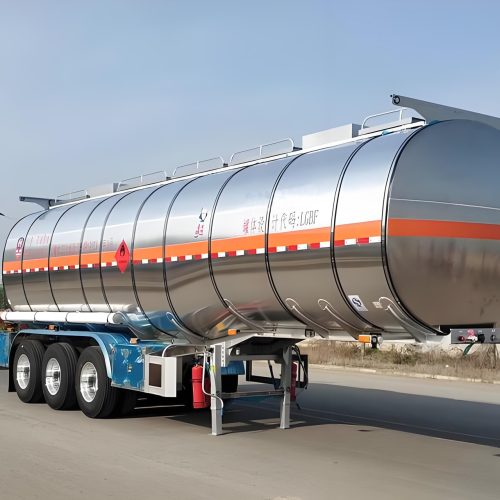
3 axles aluminum tanker trailer
-
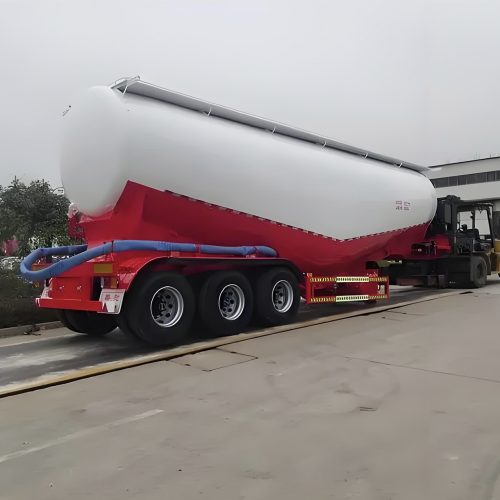
45cbm bulk cement trailer
-
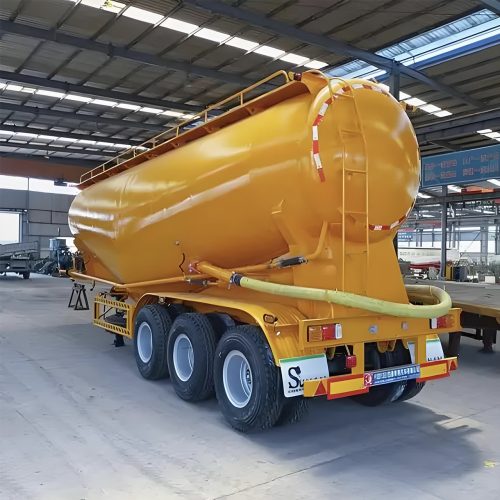
50 ton bulk cement trailer
-
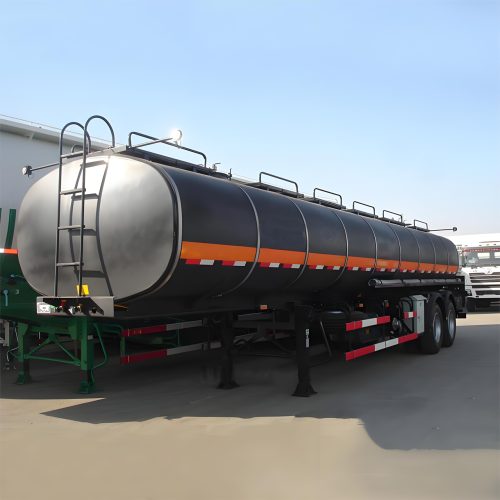
Asphalt tank semi trailer
-
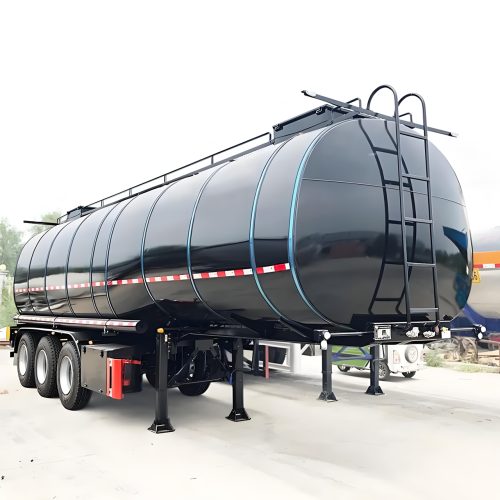
Asphalt Tanker Trailer
-
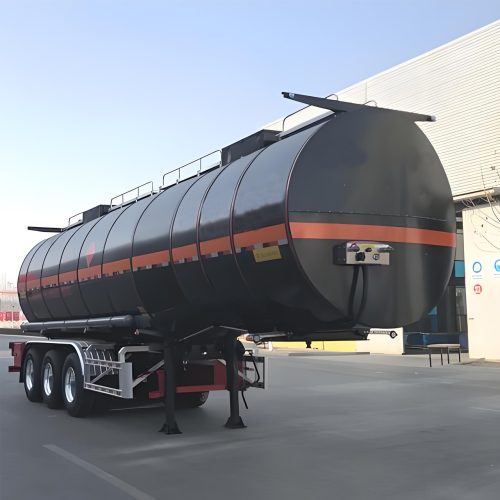
Asphalt tanker trailer for sale
-
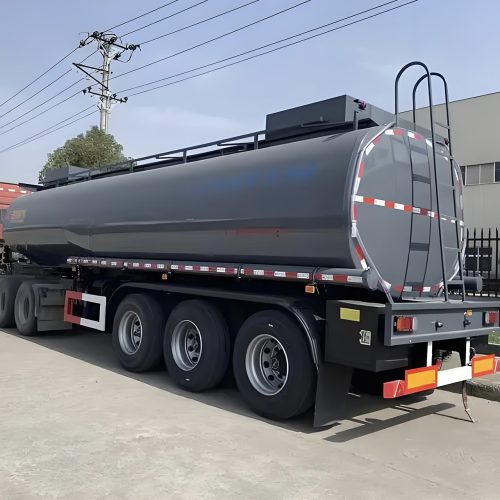
Bitumen tank trailer manufacturers
-
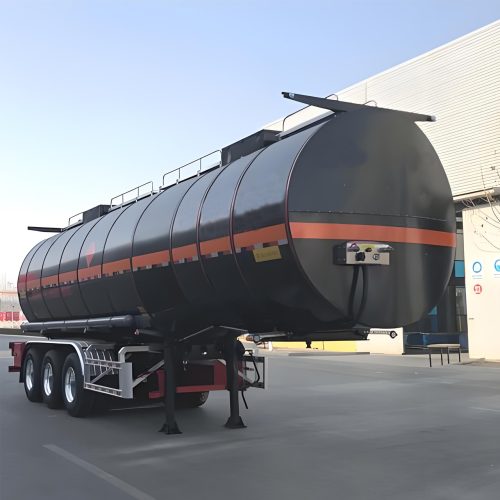
Bitumen tanker semi trailer
-
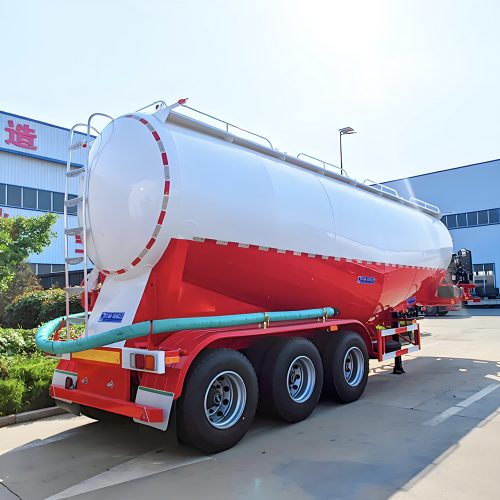
Bulk cement semi trailer
-
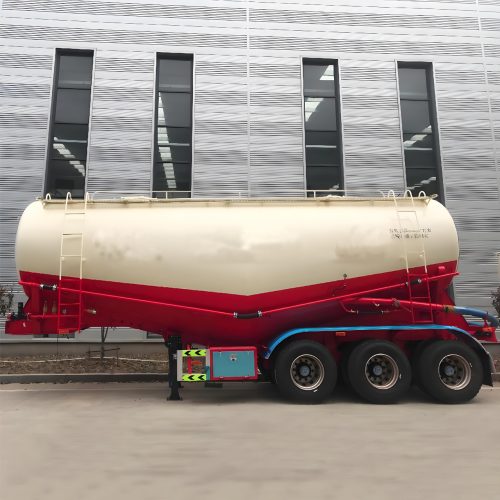
Bulk cement tanker trailer
-
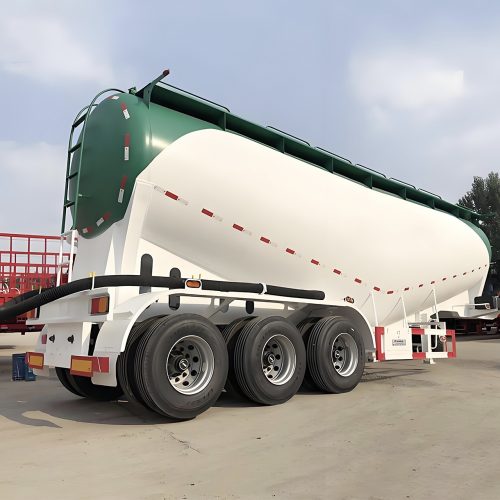
Bulk cement trailer manufacturers
-
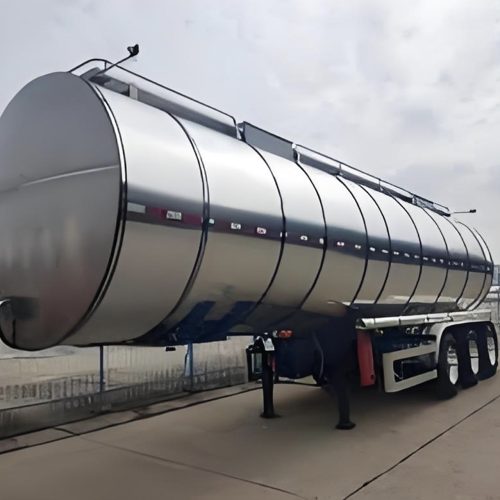
Chemical tank semi trailer
-
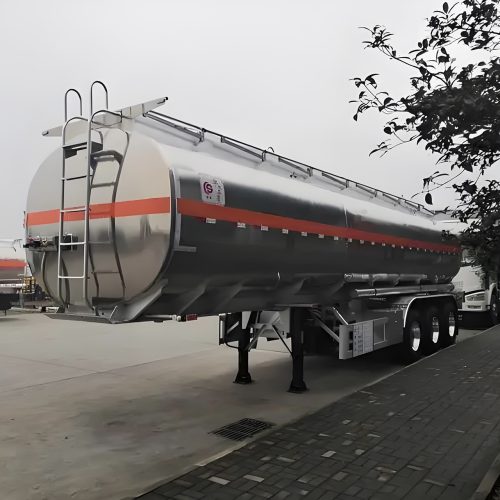
Fuel Tanker Semi Trailer for Sale
-
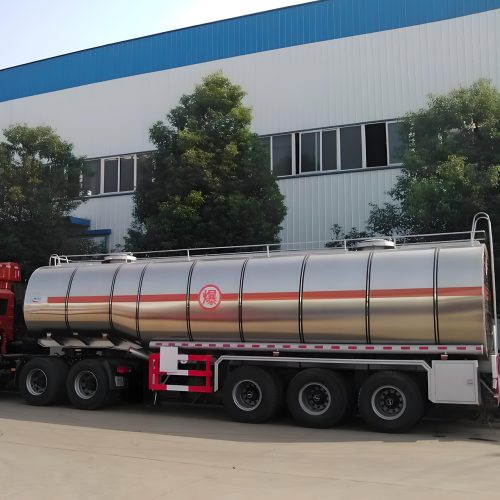
Oil Tanker Semi Trailer
Overview
Tanker semi trailers are a type of semi-trailer specifically designed for the safe and efficient transport of liquids, gases, and bulk materials. Unlike flatbed semi trailer or other cargo semi trailer, tanker semi-trailers use cylindrical or elliptical tanks to store and transport various media, including fuels, chemicals, water, cement powder, and food-grade liquids (such as milk or edible oil). They are connected to a truck tractor unit via a fifth axle coupling, forming a complete articulated transport unit, and are widely used in logistics, the chemical industry, and petroleum distribution.
Because the substances carried inside tank semi trailer are often flammable, corrosive, toxic, or irritating, these tanker trucks must meet stringent international safety standards.
Features of tank semi trailer for sale include:
High sealing performance, effectively preventing leaks; Corrosion-resistant tank materials suitable for the transported medium; Stable chassis design, maintaining balance during movement; Enhanced safety systems designed to prevent explosions, contamination, or pressure imbalances. Depending on specific application requirements, tanker semi-trailers can be manufactured from carbon steel, stainless steel, or aluminum alloy, each material offering different performance advantages in terms of weight, durability, and chemical corrosion resistance.
Structure of Tank Semi Trailers
A modern tanker semi-trailer is a complex engineering product composed of several major components. Each component plays a crucial role in safe operation, reliable performance, and compliance with industry standards.
Tank Body
The core component of a tank semi trailer is the tank body. Typically, the tank body is designed in a cylindrical, elliptical, or oval shape to achieve better pressure resistance and improve stability during transport.
Key Features:
Multiple Cargo Compartments: Many stainless steel tanker semi trailer have 2 to 6 cargo compartments, enabling the simultaneous transport of different types of liquids.
Material Options:
Carbon Steel: Inexpensive and robust; used in the manufacture of fuels and industrial liquids.
Stainless Steel: Corrosion resistant; used in chemical products and food processing.
Aluminum Alloy: Lightweight; improves load-bearing capacity and fuel efficiency.
Insulation or Heating System: Optional insulation or steam heating can be used for transporting temperature-sensitive substances such as asphalt, edible oils, or chemicals.
Internal Structure:
For safety, the tank typically includes the following components:
Wave-breaking baffles (anti-sloshing devices) to reduce liquid sloshing during movement
Internal anti-corrosion coating
Pressure relief systems for gas or chemical transport vessels
Chassis
The chassis structure provides structural support for the tank and ensures stability during loading, unloading, and movement.
Key Features:
A welded frame made of high-strength steel, designed to withstand heavy liquid loads.
Different suspension systems include:
Mechanical suspension
Air suspension
Hydraulic suspension (for high-end models)
Axle configuration: Typically 2 to 4 axles, the exact number depending on load capacity.
The center of gravity is optimized to prevent vehicle rollover, a critical safety hazard in liquid transport.
The chassis is also equipped with side skirts, a rear bumper, and landing gear, all of which comply with road safety regulations.
Manhole Covers
Manhole covers are essential for cleaning, filling, and inspection of oil tanker semi trailer.
Features:
Pressure-resistant and leak-proof design
Equipped with safety valves to ensure accurate pressure distribution
Designed according to European Standards (EN) and American Society for Testing and Materials (ADR) standards, suitable for hazardous materials.
Most tankers have multiple access ports—one per compartment.
Discharge System
The unloading system used by the aluminum tanker trailer varies depending on the medium being transported.
Common Types:
Gravity Discharge Unit
Suitable for fuels and food-grade liquids. Simple structure and highly efficient.
Pump-Assisted Discharge
Built-in pumps help unload viscous media such as asphalt or chemical solutions.
Pneumatic Discharge
Suitable for dry bulk tanker semi trailer such as cement, flour, or powders. High-pressure air transports the material through pipes.
Customization Options:
Stainless steel piping
Anti-static hoses
Quick-connect couplings
Flow meters and load meters
Tanker semi Trailer Safety Devices
Transporting liquids or chemicals requires stringent safety measures. Modern chemical tank trailer are equipped with various safety devices, including:
Fire extinguisher cabinets
Overflow prevention valves to prevent product spills
Emergency shut-off valves for immediate stoppage in case of leaks
Anti-lock braking systems or electronic braking systems
Static protection grounding cables
Reflective strips and night warning signs to improve nighttime visibility
Some chemical tanker semi trailer are also equipped with explosion-proof equipment, double-walled tanks, and remotely controlled emergency valves.